
Choosing the right LPG gas heater depends on fuel type, output, safety features and intended use. Below is a concise comparison of five selected products that cover portable space heating, large-area unit heating, tankless water heating, and essential low-pressure LPG regulator kits for safe installation.
| Product | Type | Key Feature |
|---|---|---|
| Mr. Heater Big Maxx MHU80NG | Unit Heater | 80,000 BTU Coverage ~2000 Sq. Ft. |
| Mr. Heater Portable Buddy MH9BX | Portable Radiant Heater | 4,000–9,000 BTU, Indoor-Safe |
| TENGCHANG 10L Tankless Water Heater | Tankless Water Heater (LPG) | 61,000 BTU, 2.64 GPM |
| iHeat Tankless AGL-5 | Portable Tankless Water Heater | Small portable LPG water heater kit |
| GasSaf 6 Feet Low Pressure Regulator | Regulator & Hose Kit | CSA Certified, 95,000 BTU Max |
Content Navigation
Mr. Heater Big Maxx MHU80NG
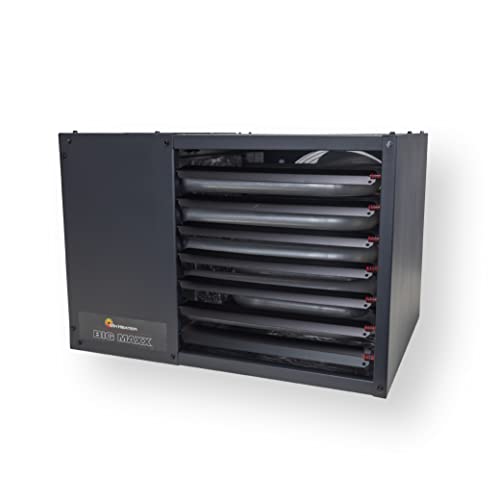
This is a natural-gas category unit heater with an 80,000 BTU output designed for large spaces up to roughly 2,000 sq. ft. The unit ships with angle brackets and a propane conversion kit, while thermostat, hose and regulator are not included. It operates on standard 120 V (2.3 amps) and requires minimum clearances for safe installation.
Key operational notes include vertical or horizontal venting options (Category 1 vertical, Category 3 horizontal) and a manufacturer-stated minimum 8 ft clearance from floor to base. This heater fits fixed installations in garages, workshops, and light commercial spaces where dedicated venting is possible.
Considerations: ensure appropriate gas type and venting configuration, confirm electrical connection availability, and plan clearances per installation instructions. The included conversion kit enables LP compatibility when correctly installed by a qualified installer.
Mr. Heater Portable Buddy MH9BX
Call 888-896-7031 for Free Local HVAC Quotes – Compare and Save Today!
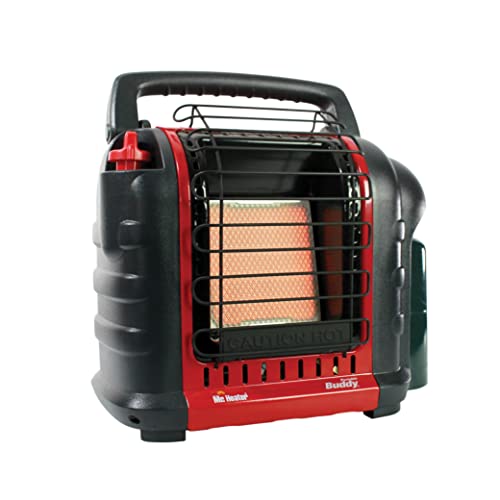
The Portable Buddy is an indoor-safe radiant propane heater with adjustable output from 4,000 to 9,000 BTU, designed to heat small enclosed spaces up to about 225 sq. ft. It uses infrared-style radiant heat that warms objects and people directly rather than heating the entire volume of air.
Safety features include an improved tip-over switch and an oxygen depletion sensor (ODS) for indoor use. Ignition is a piezo igniter, providing reliable start without matches or batteries. The unit is portable and commonly used for campers, workshops, or temporary job-site heating.
Considerations: use on a stable surface, maintain ventilation as recommended for indoor propane appliances, and match it to the intended room size for effective heating. It runs from a standard 20 lb propane cylinder and is best for spot heating rather than whole-building heating.
TENGCHANG 10L 2.6 GPM LPG Tankless Heater

This LPG-only tankless water heater delivers 61,000 BTU with a flow rate of up to 2.64 GPM and a compact 10L capacity designation. It supports a wide inlet water pressure range and claims a temperature rise up to 75°C (167°F) under ideal conditions.
Built-in safety features include overheat protection, flame failure protection, dry-combustion protection, low-water-flow protection, and high-pressure protection. The design focuses on energy efficiency using advanced combustion and heat-exchange technology to minimize gas usage and noise.
Call 888-896-7031 for Free Local HVAC Quotes – Compare and Save Today!
Considerations: it is for propane (LPG) only, so ensure fuel supply compatibility. Installations should follow local code and include proper venting, water-line considerations, and freeze-prevention procedures such as draining when unused in cold conditions.
iHeat Tankless AGL-5 Portable Water Heater Kit

The iHeat AGL-5 is a portable liquid-propane tankless water heater delivering approximately 1–1.4 gallons of hot water per minute under moderate inlet temperatures. It is intended for outdoor use or as an auxiliary hot-water source where incoming water temps do not drop below about 65°F.
The unit is compact and designed to run from a standard 20 lb propane cylinder. It includes a handheld shower nozzle with multiple spray patterns and an onboard gas control for easy regulation. This model is commonly used for outdoor showering, rinsing, and light-duty hot-water needs.
Considerations: performance varies with incoming water temperature; it is not designed for large indoor plumbing demands. If used seasonally outdoors, follow freeze-prevention and storage guidance to avoid damage.
GasSaf 6 Ft Low Pressure Propane Regulator

This CSA-certified low-pressure regulator and hose kit connects QCC1/Type 1 LPG tanks to grills, heaters, and fire pits. The kit supports up to 95,000 BTU/hr and includes a 6 ft hose with a 3/8-inch flare fitting commonly used on many consumer appliances.
It is marketed as compatible with a wide range of grill models and many portable outdoor gas appliances. The hose and regulator are designed for low-pressure propane applications and intended for direct connection to standard propane cylinders used by portable heaters and tankless LPG appliances.
Considerations: verify compatibility with your appliance inlet fittings before purchase. For high-BTU fixed installations or conversions, consult a qualified installer to confirm hose length, regulator capacity and local code compliance.
Buying Guide: Choosing An LPG Gas Heater
This guide covers the key considerations when selecting an LPG gas heater or related components. Compare appliances across these perspectives to match performance, safety, convenience, and installation constraints.
1. Intended Use And Heat Output
- Space Heating vs. Water Heating: Choose radiant or forced-air unit heaters for rooms, and tankless or portable water heaters for hot-water needs.
- BTU And Coverage: Estimate required BTU based on room size, insulation, and ambient temperature. Portable units (4,000–9,000 BTU) suit small areas; unit heaters (tens of thousands BTU) suit garages and workshops.
2. Fuel Compatibility And Connections
- Propane (LPG) vs. Natural Gas: Confirm the appliance is designed for the fuel you have. Converting between fuels requires correct orifices and manufacturer-approved conversion kits.
- Regulator And Hose Ratings: Use CSA/UL-certified regulators and hoses rated for the appliance BTU load and pressure. Length and fittings matter for safe, leak-free connections.
3. Safety Features And Certifications
- ODS And Tip-Over Protection: For indoor or enclosed-space portable heaters, look for oxygen depletion sensors and tip-over switches.
- Flame Failure And Overheat Protection: For water heaters and unit heaters, protections reduce risk of combustion failures or overheating.
- Certifications: CSA, UL, or equivalent marks provide assurance of basic safety testing.
4. Installation And Venting
- Venting Requirements: Fixed unit heaters and some tankless models require venting to the outdoors—inspect vent categories and clearances.
- Clearances And Mounting: Observe minimum clearances from combustible materials and follow manufacturer mounting instructions.
- Professional Installation: For hard-piped natural gas or high-BTU LPG installations, consider licensed technicians to meet code and safety standards.
5. Portability And Use Case
- Portable Models: Ideal for temporary sites, camping, or spot heating. Check cylinder compatibility and portability features.
- Fixed Unit Heaters: Best for permanent spaces where consistent, higher-output heating is required.
6. Performance Factors
- Flow Rate For Water Heaters: Compare GPM ratings to expected hot-water demand; higher inlet water temperature improves output.
- Efficiency And Combustion: Look for design notes on efficient burners and heat-exchange to save fuel and reduce noise.
7. Compatibility And Accessories
- Conversion Kits: If switching fuels, ensure kits are manufacturer-approved and installed correctly.
- Hoses, Regulators, And Connectors: Use properly rated hoses and regulators—do not mix incompatible fittings. Check maximum BTU ratings for hoses and regulators.
8. Maintenance And Longevity
- Routine Checks: Inspect hoses, fittings, and vents periodically for wear, leaks, or blockages.
- Freeze Protection: For outdoor water heaters or seasonal units, drain and store per instructions to prevent freeze damage.
9. Comparison Perspectives
- Small-Space Portable Heater vs. Fixed Unit Heater: Compare mobility and targeted heating (portable) to whole-space capacity and venting needs (fixed).
- Tankless Water Heater vs. Portable Shower Kit: Tankless units offer continuous hot water for indoor or heavy-duty use; portable kits are ideal for outdoor or intermittent demand.
- Regulator/Hose Selection: For DIY setups, pick CSA/UL-certified kits that match hose length and BTU capacity; for complex systems, consult a pro.
Use this guide to evaluate your heating scenario, confirm fuel compatibility, and match safety and installation requirements to the device you select. For any fixed installation or conversions, professional installation ensures compliance and optimal performance.
Tips for Getting the Best HVAC Prices
- Prioritize Quality Over Cost
The most critical factor in any HVAC project is the quality of the installation. Don’t compromise on contractor expertise just to save money. - Check for Rebates
Always research current rebates and incentives — they can significantly reduce your overall cost. - Compare Multiple Quotes
Request at least three estimates before making your choice. You can click here to get three free quotes from local professionals. These quotes include available rebates and tax credits and automatically exclude unqualified contractors. - Negotiate Smartly
Once you've chosen a contractor, use the proven strategies from our guide — How Homeowners Can Negotiate with HVAC Dealers — to get the best possible final price.