
Choosing the best marine diesel heater means balancing corrosion resistance, exhaust routing, power output, and controls for safe, reliable onboard warmth. The table below summarizes five top options selected for marine use, including dedicated marine models and versatile all-in-one diesel heaters suitable for boats, RVs, and garages.
| Product | Brand | Key Feature |
|---|---|---|
| Dickinson Marine Newport Diesel Bulkhead Mount Heater | Dickinson Marine | Marine-rated bulkhead mount, 6,500–16,250 BTU |
| VEVOR 8KW Diesel Heater With Bluetooth App Control | VEVOR | All-in-one 8 kW, Bluetooth & altitude compensation |
| 7kW Diesel All-in-One Water-Air Heater With LCD | ZBJinG | Air + water heating, engine preheat capability |
| HCALORY 12V Portable Diesel Heater Toolbox 6L | HCALORY | Portable toolbox design, APP control, dual power |
| LF Bros 5KW All-in-One Diesel Heater 110V/12/24V | LF Bros | Multi-voltage, plug-in 110V ready for shore power |
Content Navigation
- Dickinson Marine Newport Diesel Bulkhead Mount Heater
- VEVOR 8KW Diesel Heater With Automatic Altitude Adjustment
- 7kW Diesel Heater 12V All-in-One Water-Air Heater With LCD
- HCALORY 12V Portable Diesel Heater Toolbox 6L With App Control
- LF Bros 110V/12/24V 5KW Diesel Heater All-in-One
- Buying Guide: How To Choose A Marine Diesel Heater
Dickinson Marine Newport Diesel Bulkhead Mount Heater
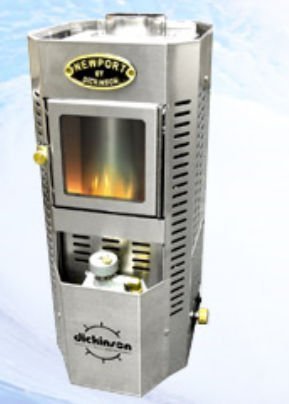
The Dickinson Newport is a purpose-built marine bulkhead heater known for compact installation and durable build. It lists a heat output range of 6,500–16,250 BTU, providing options for small cabins to larger enclosed spaces. Fuel flexibility is a marine advantage: it supports diesel, kerosene, or stove oil, useful aboard where fuel types vary.
This model uses a 12V combustion assist fan to support reliable flame and combustion air flow. For boats, bulkhead mounting reduces interior footprint and simplifies routing of exhaust and intake through hull or transom. Its marine heritage favors corrosion-resistant components and simpler serviceability compared with generic parking heaters.
VEVOR 8KW Diesel Heater With Automatic Altitude Adjustment

The VEVOR 8KW is an all-in-one diesel air heater suited to boats, vans, and enclosed workspaces. It provides 8 kW heating power and claims rapid heat transfer via a sandblasted aluminum heat exchanger, reaching comfortable temperatures within minutes for a typical 20–25 m² area.
Call 888-896-7031 for Free Local HVAC Quotes – Compare and Save Today!
Notable features include Bluetooth app control, a 32 ft remote, and an LCD. For marine operators, automatic altitude compensation is helpful in variable conditions, though boats primarily at sea level will mainly benefit from stable combustion tuning and remote preheat. As an all-in-one unit, it simplifies installation when shore power is limited or when integrating into temporary setups.
7kW Diesel Heater 12V All-in-One Water-Air Heater With LCD
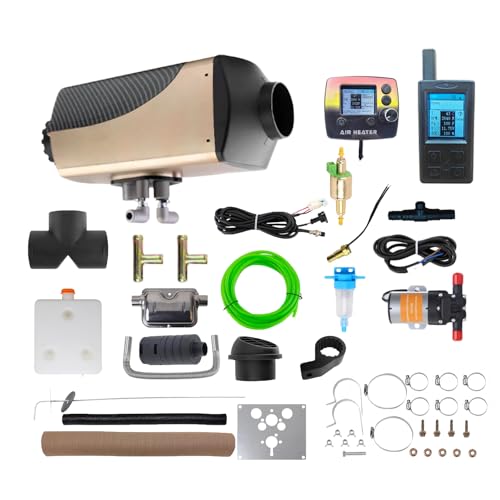
This ZBJinG 7kW model offers combined air and water heating, a feature attractive to marine users who want cabin heat and onboard water or engine coolant preheating. The unit states it can heat water tanks up to 40 liters and offers multiple water temperature modes.
Controls include an LCD display and ST32 mainboard for system stability and fault reporting. For boats, integrated water heating can be used for domestic hot water or engine block warming to aid cold starts. The two-in-one design adds installation complexity but increases functionality in vessels lacking separate heaters.
HCALORY 12V Portable Diesel Heater Toolbox 6L With App Control

The HCALORY portable diesel heater uses a toolbox-style enclosure with a built-in 6L fuel tank and handle, making it easy to move or temporarily mount aboard. It highlights APP control, dual power options (12/24V DC and 110/220V AC), and improved aluminum body for quicker heat-up and reduced exhaust temperature.
Call 888-896-7031 for Free Local HVAC Quotes – Compare and Save Today!
Its compact and transportable format suits small boats, tenders, and workshops where permanent installation is undesirable. The listed fuel consumption (low range) and enlarged smoke vents aim to minimize carbon buildup. As with any portable heater, secure placement and proper exhaust routing are essential for safety on marine vessels.
LF Bros 110V/12/24V 5KW Diesel Heater All-in-One

The LF Bros 5KW all-in-one heater is designed for flexible power sources: 12V/24V DC plus a provided 110V transformer for shore power. Its output range corresponds to typical small-space marine heating needs, and it lists a broad operating temperature envelope down to -40°F.
Features include an LCD and pre-paired remote control for convenience. The ability to plug into 110V is helpful when docked with shore power, while the DC option supports running from battery systems. For boats, shore power compatibility simplifies overnight heating without draining house batteries.
Buying Guide: How To Choose A Marine Diesel Heater
Selecting the right marine diesel heater requires evaluating vessel size, ventilation, fuel compatibility, mounting options, exhaust routing, and control methods. Below are the main considerations and comparison perspectives to help make an informed choice.
Heat Output And Sizing
- Measure cabin volume: Determine cubic feet or m² to match heater BTU/kW output. Overpowered units waste fuel; underpowered units won’t maintain comfort.
- Insulation matters: Well-insulated cabins require less heat. Consider heat loss through windows, hatches, and doors.
Marine Compatibility And Corrosion Resistance
- Marine-rated materials: Stainless components and corrosion-resistant finishes are essential for saltwater exposure.
- Mount type: Bulkhead-mounted marine units (like Dickinson Newport) are designed for secure hull/transom integration and reduced interior intrusion.
Fuel Type And Integration
- Diesel vs alternatives: Diesel is standard on most boats; confirm compatibility with kerosene or stove oil if necessary.
- Fuel tank placement: For portable units with an internal tank, plan secure mounting and venting to prevent sloshing and spills.
Exhaust And Intake Routing
- Thru-hull exhaust tips and plumbing: Use corrosion-resistant thru-hull fittings and secure the combustion exhaust above waterline or through a skin fitting to avoid water ingress.
- Backflow and water traps: Include wet exhaust routing best practices—drains and loops to prevent seawater entering the heater.
Controls, Safety, And Monitoring
- Remote and app control: Bluetooth and remote timers help preheat cabins before arrival; confirm range and reliability aboard a vessel.
- Automatic altitude/compensation: Useful for variable altitudes, though less critical at sea level; helpful if you transport the unit to shore-based use.
- Overheat protection and fault reporting: Choose units with LCD diagnostics or error codes to simplify troubleshooting at sea.
Air vs Water Heating
- Air heaters: Efficient for cabin warming and drying; simpler ducting but may dry cabin air.
- Water/heat-exchanger units: Provide domestic hot water or engine coolant preheat; add plumbing complexity but increase utility for extended cruising.
Power Source And Fuel Consumption
- DC vs AC: Consider models with both DC and AC options if you have shore power. Multi-voltage units provide flexibility at dock and underway.
- Fuel consumption: Compare burn rates at low and high settings for battery planning and fuel management on longer trips.
Installation And Serviceability
- Mounting complexity: All-in-one portable units minimize structural work but still require safe exhaust routing and ventilation.
- Spare parts and service: Prefer brands or designs with accessible spare parts, common consumables (filters, glow plugs), and local service knowledge.
Safety Checklist For Marine Use
- Carbon monoxide management: Install CO detectors and ensure exhaust is routed outside and above waterline.
- Ventilation: Maintain adequate fresh air and follow manufacturer clearance recommendations to prevent overheating and fire risk.
- Secure mounting: All components must be fastened to avoid movement in rough seas.
Comparison Perspectives
- Marine-Specific vs All-In-One: Marine-specific bulkhead heaters prioritize corrosion resistance and hull integration; all-in-one units prioritize ease of use and portability.
- Functionality vs Complexity: Dual air/water units add capability but require more plumbing and system integration; single-function air heaters are simpler to install and maintain.
- Control Ecosystem: App and remote control add convenience; prioritize reliability and physical controls if network connectivity is unreliable on your vessel.
When evaluating heaters, cross-check listed features such as BTU or kW output, voltage options, water-heating capability, remote/app control, and corrosion-resistant components. Match those against your vessel’s electrical capacity, fuel access, and intended use (seasonal cruising, liveaboard, or occasional trips) to determine the best fit.
Tips for Getting the Best HVAC Prices
- Prioritize Quality Over Cost
The most critical factor in any HVAC project is the quality of the installation. Don’t compromise on contractor expertise just to save money. - Check for Rebates
Always research current rebates and incentives — they can significantly reduce your overall cost. - Compare Multiple Quotes
Request at least three estimates before making your choice. You can click here to get three free quotes from local professionals. These quotes include available rebates and tax credits and automatically exclude unqualified contractors. - Negotiate Smartly
Once you've chosen a contractor, use the proven strategies from our guide — How Homeowners Can Negotiate with HVAC Dealers — to get the best possible final price.