
Choosing the right marine propane heater means balancing corrosion resistance, safety features, and portable power for life on the water. Below is a quick comparison of highly relevant propane heating and related marine-use products selected for boating, cabins, and outdoor marine activities.
| Product | Type | Key Strength |
|---|---|---|
| Magma Cabo Grill | Marine-Grade Propane Grill | 304 Stainless Steel, Turbo Burner |
| Mr. Heater Portable Buddy MH9BX | Portable Radiant Heater | Infrared Heat, 4k–9k BTU, Indoor-Safe |
| Mr. Heater 4k–18k BTU Dual-Tank | Portable LP Gas Heater | Variable BTU, Dual Tank Connection |
| Mr. Heater Fuel Keg | Refillable 1 lb Propane Cylinder | DOT Certified, Refillable |
| Mr. Heater MHVFBF20LPT | Blue Flame Vent Free Wall Heater | 20,000 BTU, ODS Safety |
Content Navigation
- Magma Cabo Grill – Marine-Grade Stainless Steel Barbecue Grill
- Mr. Heater Portable Buddy MH9BX 4,000-9,000 BTU
- Mr. Heater 4000 To 18000 BTU 3-Setting Portable LP Gas Heater
- Mr. Heater Fuel Keg – 1 lb Refillable Propane Tank
- Mr. Heater MHVFBF20LPT 20,000 BTU Blue Flame Vent Free Propane Heater
- Buying Guide: Choosing A Marine Propane Heater
Magma Cabo Grill – Marine-Grade Stainless Steel Barbecue Grill

This marine-grade grill is built from 304 mirror-polished stainless steel designed to resist saltwater corrosion. The turbo burner produces a strong, stable flame that performs in windy conditions typical on decks and docks. A snap-out radiant plate helps distribute heat evenly across the 9″ x 18″ grilling surface to avoid cold spots. Fold-away legs and a heat-resistant handle support portability and safe use onboard small vessels.
Key features referenced: durable marine-grade construction, turbo-fueled burner design, and snap-out radiant plate for consistent heat distribution. This unit is primarily a cooking appliance but is commonly used on boats where corrosion-resistant propane devices are required.
Mr. Heater Portable Buddy MH9BX 4,000-9,000 BTU
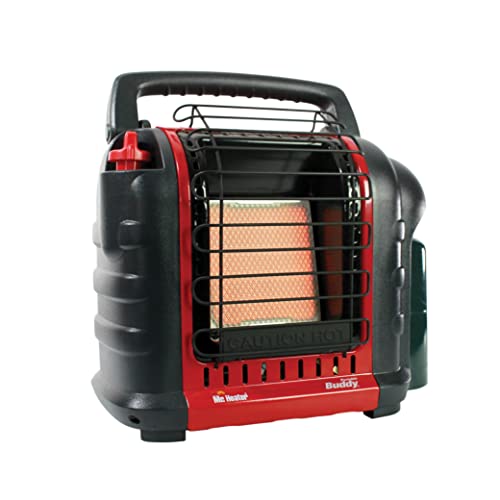
The Portable Buddy is a compact radiant propane heater designed for small enclosed spaces and sheltered outdoor areas. It provides adjustable output from 4,000 to 9,000 BTU with infrared heating that warms objects and people directly rather than heating air only. Safety enhancements include a tip-over switch and improved ignition using a Piezo igniter for matchless startup.
Call 888-896-7031 for Free Local HVAC Quotes – Compare and Save Today!
Reference features: powerful radiant heat, improved safety (tip-over switch) and reliable ignition with Piezo. For marine use, this model is often chosen for enclosed cabins or sheltered cockpit areas but requires strict ventilation practices and adherence to manufacturer guidance about indoor use on boats.
Mr. Heater 4000 To 18000 BTU 3-Setting Portable LP Gas Heater
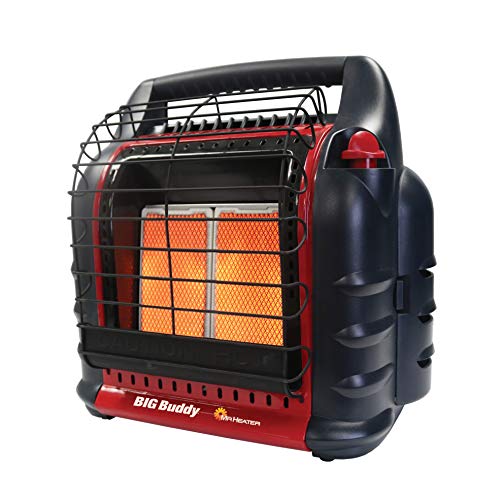
This portable LP heater supplies variable heat output with settings at 4,000, 9,000, and 18,000 BTU to serve areas up to about 450 sq. ft. It can use large propane tanks (up to 40 lbs) when paired with an additional hose and filter, and includes a single-control start knob with automatic safety shutoff should the unit tip over. The flexibility of BTU settings makes it suitable for warming enclosed cabins, workshops, and sheltered outdoor decks.
Referenced features: propane tank heater, multiple heat levels, and simple usage with piezo ignition and safety shutoff. Consider ventilation and placement to avoid elevated CO levels when used in tight marine cabins.
Mr. Heater Fuel Keg – 1 lb Refillable Propane Tank

The Fuel Keg is a DOT-certified refillable 1 lb propane cylinder intended to reduce disposable cylinder waste. It ships empty and requires the Mr. Heater refill kit to charge. For boaters and marine users seeking compact fuel sources for portable heaters or grills, refillable cylinders reduce environmental impact and recurring purchases of disposable cans.
Call 888-896-7031 for Free Local HVAC Quotes – Compare and Save Today!
Referenced features: minimize waste, DOT certification, and the note that cylinders are sold empty and require a refill kit. When using refillable tanks onboard, secure mounting and compliance with marine propane storage regulations are essential.
Mr. Heater MHVFBF20LPT 20,000 BTU Blue Flame Vent Free Propane Heater
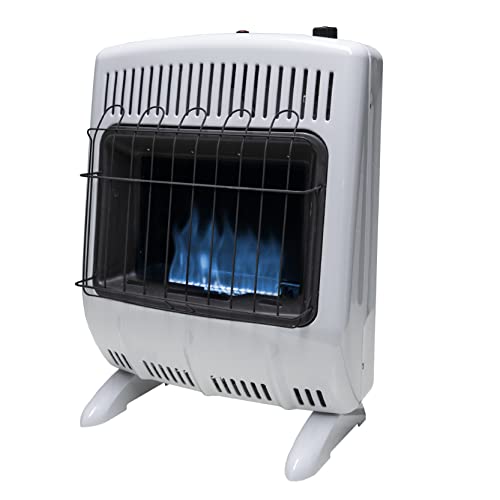
This blue flame vent-free wall heater supplies up to 20,000 BTU and is designed to warm spaces up to 700 sq. ft. It includes a thermostat for temperature control, battery-powered electronic ignition, and an Oxygen Depletion Sensor (ODS) that shuts the unit off if oxygen levels fall too low. The unit is capable of consistent operation at elevations up to 4,500 ft.
Referenced features: powerful propane wall heater, easy control & ignition, and safety via ODS. For marine and cabin applications, vent-free units can be useful in well-ventilated fixed structures but typically are restricted or require specific approvals for use inside boats due to ventilation and CO considerations—follow local codes and manufacturer marine compatibility guidance.
Buying Guide: Choosing A Marine Propane Heater
Selecting the right heating solution for marine use depends on application, space, and safety priorities. Below are key considerations and comparison perspectives to guide a safe and effective choice.
Intended Use And Installation
- Portable vs. Fixed: Portable radiant or forced-air heaters are flexible for temporary use; fixed wall or vent-free units offer sustained heating for cabins and enclosed spaces but may require professional installation.
- Cooking vs. Heating: Marine grills (like the Magma Cabo) are for cooking; they are marine-grade but not designed as space heaters. Match device purpose to need.
Marine-Grade Materials And Corrosion Resistance
- 304 Stainless Steel: Look for 304 or higher stainless construction for components exposed to saltwater to reduce corrosion risk.
- Coatings And Fasteners: Corrosion-resistant fasteners and protective finishes extend service life in marine conditions.
Safety Features And Regulatory Considerations
- ODS (Oxygen Depletion Sensor): Essential for indoor or enclosed use to detect low oxygen and shut off the appliance.
- Tip-Over Switches & Shutoffs: For portable units, automatic tip-over protection is a key safety feature.
- CO And Ventilation: Any combustion heater produces CO. Ensure adequate ventilation, CO detectors, and compliance with marine regulations.
- Fuel Storage Rules: Stow propane cylinders per marine fuel storage rules—secure, ventilated, and away from living spaces when possible.
Heat Output And Coverage
- BTU Range: Match BTU to cabin size: small bunks or cockpit enclosures may need 4k–9k BTU; larger cabins or enclosed pilothouses may require 10k–20k BTU or more.
- Radiant vs. Convection: Radiant heaters warm objects and people quickly and are efficient in open or drafty spaces; convection heaters warm air and are better for enclosed, insulated spaces.
Fuel Supply And Logistics
- Cylinder Type: Consider refillable 1 lb cylinders for portability and waste reduction, or larger tanks for extended use. Follow DOT and marine refilling rules.
- Dual Tank Capabilities: Units that accept dual-tank connections enable longer run times when space allows and when safe storage can be arranged.
Installation, Maintenance, And Serviceability
- Professional Installation: Fixed heaters or vent-free systems often require professional installation to meet marine and local codes.
- Routine Checks: Inspect hoses, regulators, valves, and tanks regularly for wear, leaks, or corrosion. Replace components per manufacturer guidance.
Environmental And Practical Considerations
- Waste Reduction: Refillable cylinders reduce environmental impact compared to single-use canisters.
- Noise: Tankless hot water systems and high-BTU heaters may produce operational noise; check product specs if quiet operation is needed onboard.
Comparison Perspectives
- Small Enclosed Cabins: Radiant portable units (4k–9k BTU) with tip-over and ODS features suit small cabins—ensure ventilation and monitors.
- Larger Cabins Or Fixed Structures: Blue flame vent-free wall heaters with thermostats and ODS offer continuous heat but require careful installation and compliance checks for marine use.
- Cooking Plus Occasional Heat: Marine-grade grills provide cooking capability with corrosion resistance; do not substitute for a certified space heater.
- Fuel Logistics: Refillable cylinders are practical for frequent short outings; larger tanks or dual-tank setups are better for extended cruising.
When selecting any propane device for marine use, cross-check manufacturer marine compatibility statements, consult a marine technician for installation questions, and ensure CO and gas leak detection systems are in place. Prioritize corrosion resistance, safety features, and proper ventilation to maintain comfort and safety on the water.
Tips for Getting the Best HVAC Prices
- Prioritize Quality Over Cost
The most critical factor in any HVAC project is the quality of the installation. Don’t compromise on contractor expertise just to save money. - Check for Rebates
Always research current rebates and incentives — they can significantly reduce your overall cost. - Compare Multiple Quotes
Request at least three estimates before making your choice. You can click here to get three free quotes from local professionals. These quotes include available rebates and tax credits and automatically exclude unqualified contractors. - Negotiate Smartly
Once you've chosen a contractor, use the proven strategies from our guide — How Homeowners Can Negotiate with HVAC Dealers — to get the best possible final price.