
Mini split heat-only systems or heat-focused ductless units are popular for supplemental and primary heating in American homes. Below is a quick comparison of five well-rated mini split systems chosen for their heating features, efficiency ratings, and installation options.
| Product | BTU / Coverage | Key Heating Features |
|---|---|---|
| COSTWAY 12000BTU Mini Split | 12,000 BTU / ~750 sq. ft. | Inverter heat pump, multiple modes, quiet operation |
| YITAHOME 12000 BTU Mini Split | 12,000 BTU / ~750 sq. ft. | Wi‑Fi/Alexa, energy-efficient inverter, automatic defrost |
| ROVSUN 9000 BTU Mini Split | 9,000 BTU / ~400 sq. ft. | Heat pump, inverter tech, low noise 28 dB |
| Senville LETO 24000 BTU Mini Split | 24,000 BTU / 2 ton | Works to low temps, Alexa enabled, inverter heat pump |
| Mountman 12000 BTU Mini Split | 12,000 BTU / ~750 sq. ft. | Auto defrost, ECO and sleep modes, pre-charged condenser |
Content Navigation
- COSTWAY 12000BTU Mini Split Air Conditioner & Heater
- YITAHOME 12000 BTU Mini Split Air Conditioner Heat Pump System
- ROVSUN 9000 BTU Wifi Enabled Mini Split Air Conditioner & Heater
- Senville LETO Series 24000 BTU Mini Split Air Conditioner Heat Pump
- Mountman 12000 BTU Mini Split AC/Heating System
- Buying Guide: Choosing A Mini Split For Heating
- 1. Heating Capacity And Sizing
- 2. Heat Pump Performance In Cold Climates
- 3. Efficiency Metrics
- 4. Controls, Connectivity, And Scheduling
- 5. Noise Levels And Comfort Features
- 6. Installation Considerations
- 7. Air Quality And Maintenance
- 8. Warranties, Certifications, And Support
- 9. Energy Cost And Long-Term Savings
- 10. Comparison Perspectives
COSTWAY 12000BTU Mini Split Air Conditioner & Heater

Heating Focus: Integrated heat pump provides winter heating alongside cooling. The inverter compressor modulates power for steady temperatures and energy savings.
- Modes: Auto, Cool, Dry, Heat, Fan with 4 fan speeds — suited to variable heating needs.
- Efficiency: 20 SEER2 rating and inverter tech reduce frequent compressor cycling and lower power draw.
- Controls & Comfort: Remote control, iFEEL temperature sensing, turbo and ECO functions, and a sleep mode for quiet nighttime heating.
This unit is AHRI certified and includes features intended to preserve compressor life while delivering steady heat. The low-noise operation and timer functions support overnight heating schedules.
YITAHOME 12000 BTU Mini Split Air Conditioner Heat Pump System
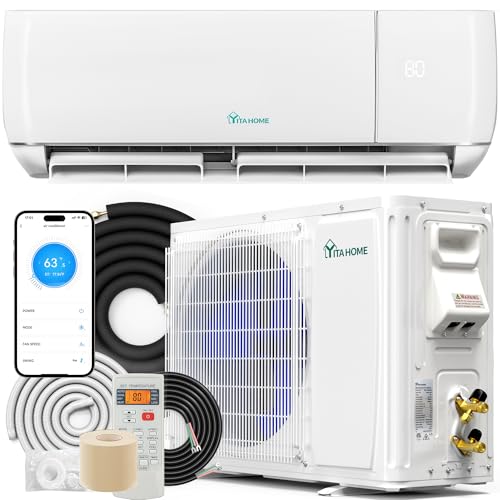
Heating Focus: Heat pump design with automatic defrost and wide operating range for year-round heating.
Call 888-896-7031 for Free Local HVAC Quotes – Compare and Save Today!
- Smart Controls: Wi‑Fi enabled and Alexa compatible for remote temperature control and scheduling.
- Air Quality & Health Mode: Includes negative ion, electrostatic dust removal, and PM2.5 filtration features to support cleaner indoor air while heating.
- Certifications: ETL and AHRI certified; inverter tech claims ~25% energy savings compared to non-inverter units.
Designed for quiet operation (below 41 dB), this model is suited to bedrooms and living spaces where automated control and air-cleaning functions matter during heating seasons.
ROVSUN 9000 BTU Wifi Enabled Mini Split Air Conditioner & Heater

Heating Focus: Compact 9,000 BTU heat pump for smaller rooms or zoned heating applications.
- Energy Saving: 19 SEER2 and inverter operation for adaptive compressor speed and reduced energy use; claimed up to 35% savings with frequency adjustment.
- Quiet Mode: Ultra-quiet operation down to ~28 dB for undisturbed sleeping or focused work while heating.
- Performance Range: Operating temperature range and heat pump functionality support efficient heating in moderate climates.
The smaller capacity is appropriate for isolated spaces such as bedrooms, offices or small living areas where targeted heating is desired without heating an entire home.
Senville LETO Series 24000 BTU Mini Split Air Conditioner Heat Pump
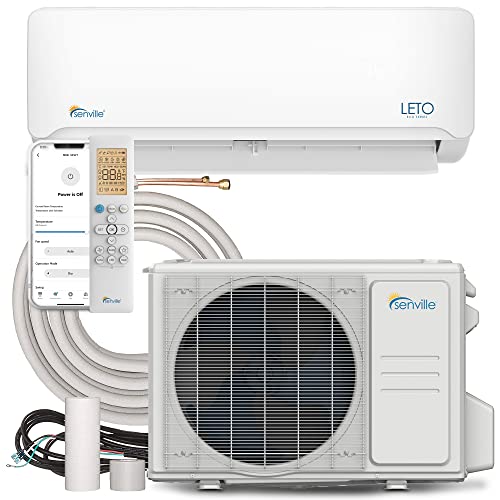
Heating Focus: Higher-capacity 2-ton inverter heat pump designed as a primary heating solution for larger spaces or whole-zone heating.
Call 888-896-7031 for Free Local HVAC Quotes – Compare and Save Today!
- Low-Temperature Operation: Heat pump function is effective at low ambient temperatures (functional down to 5°F/-15°C as claimed), extending seasonal heating capability.
- Smart Integration: Compatible with Alexa and app control for routines, remote adjustments, and voice-enabled heating schedules.
- Versatility: 4-in-1 operation: heating, cooling, dehumidifying, and fan modes suitable for various climate control needs.
This model suits larger rooms, open living spaces, or small multi-room configurations where higher BTU capacity and smart control integration are priorities for heating performance.
Mountman 12000 BTU Mini Split AC/Heating System

Heating Focus: 12,000 BTU heat pump with features designed to prioritize efficient and reliable heating operation.
- Mode Flexibility: Cool, Heat, Dry, Fan with ECO and Turbo Boost; Sleep Mode offers ultra-quiet 26 dB operation for overnight heating.
- Auto Maintenance: Intelligent self-clean and high-temperature self-clean functions help reduce mold and odors and maintain heating efficiency.
- Pre-Charged Condenser: Includes installation kit and pre-charged line set to simplify installer work and reduce commissioning time.
Auto-defrost and auto-maintain functions support continuous heating in colder conditions while minimizing manual maintenance tasks.
Buying Guide: Choosing A Mini Split For Heating
This buying guide covers technical, practical, and situational considerations when selecting a mini split primarily for heating. Use multiple comparison perspectives—capacity, climate suitability, efficiency, installation, and controls—to match a unit to your needs.
1. Heating Capacity And Sizing
BTU Capacity: Match BTU output to room size. Common guidelines: 9,000 BTU ~300–450 sq.ft.; 12,000 BTU ~450–800 sq.ft.; 18,000–24,000 BTU for larger or open-plan areas. Undersizing leads to long runtime and discomfort; oversizing increases cycling and may reduce dehumidification.
2. Heat Pump Performance In Cold Climates
Low-Temperature Ratings: If you live in regions with extended sub-freezing temperatures, compare units by their low ambient heating capability and defrost strategy. Some models advertise operation down to single-digit or negative temperatures; verify manufacturer performance data and certification.
3. Efficiency Metrics
SEER2 & HSPF / Inverter Tech: Look at SEER2 for cooling efficiency and HSPF or COP for heating where available. Inverter compressors provide variable speed operation for steadier temperatures and improved efficiency. Higher SEER2 and HSPF generally mean lower operating costs.
4. Controls, Connectivity, And Scheduling
Remote/Wi‑Fi/Alexa: Wi‑Fi and smart assistant compatibility can improve convenience through scheduling, geofencing, and voice commands. Evaluate whether smart features are necessary for your usage pattern.
5. Noise Levels And Comfort Features
Decibel Ratings: Units with low dB ratings (~25–40 dB indoors) are preferable for bedrooms and offices. Additional features like iFEEL temperature sensing, sleep modes, and variable fan speeds help maintain comfort while heating.
6. Installation Considerations
Professional vs DIY: Some models come with pre-charged condensers and installation kits that simplify hookups; nonetheless, refrigerant line handling often requires certified technicians. Consider wall placement, outdoor unit clearance, and power supply requirements (115V vs 230V).
7. Air Quality And Maintenance
Filters & Self-Cleaning: Units with washable filters, auto-clean functions, or additional filtration modes (PM2.5, electrostatic) are beneficial for allergy concerns and reduce maintenance frequency.
8. Warranties, Certifications, And Support
Certifications: AHRI, ETL, or UL listings indicate tested performance and safety. Verify manufacturer warranty lengths for compressors and parts, and research local service network and replacement part availability.
9. Energy Cost And Long-Term Savings
Operating Cost Perspective: Balance initial purchase and installation costs with expected energy savings from inverter technology and higher efficiency ratings. Use local climate and electricity rates to estimate seasonal running costs.
10. Comparison Perspectives
- Small Room vs Whole-Zone: 9,000–12,000 BTU units suit dedicated rooms or zones. 18,000–24,000 BTU units are better for whole-zone heating or larger open areas.
- Smart Features vs Simplicity: Wi‑Fi and voice control add convenience but may increase complexity and potential software/service dependencies.
- Quiet Night Use vs Rapid Recovery: Lower noise models prioritize quiet nighttime comfort; turbo modes provide faster temperature recovery when needed.
When evaluating models, cross-check the manufacturer’s heating performance specifications, certifications, and installer recommendations. Matching capacity, low-temperature capability, and energy efficiency to your local climate and space will guide the best mini split heater choice for your needs.
Tips for Getting the Best HVAC Prices
- Prioritize Quality Over Cost
The most critical factor in any HVAC project is the quality of the installation. Don’t compromise on contractor expertise just to save money. - Check for Rebates
Always research current rebates and incentives — they can significantly reduce your overall cost. - Compare Multiple Quotes
Request at least three estimates before making your choice. You can click here to get three free quotes from local professionals. These quotes include available rebates and tax credits and automatically exclude unqualified contractors. - Negotiate Smartly
Once you've chosen a contractor, use the proven strategies from our guide — How Homeowners Can Negotiate with HVAC Dealers — to get the best possible final price.