
Choosing an efficient 220V electric heater depends on installation type, room size, and intended use. Below is a concise comparison of five relevant 220–240V heater options selected for energy efficiency, safety features, and installation variety.
| Product | Type | Key Efficiency Features |
|---|---|---|
| ENVI 220 Volt Hardwired Electric Panel Wall Heater | Hardwired Wall Panel | Low-Wattage, Wall-Sense Safety, Fan-Less Convection |
| ENVI Plug-in Electric Panel Wall Heater | Plug-in Wall Panel | Quiet Fan-Less, Wall-Sense Safety, Targeted Heating |
| Comfort Zone 5,000W Ceiling Garage Heater | Hardwired Ceiling Fan-Forced | High Output, Targeted Louvers, Durable Steel |
| ThermoMate Infrared 3000W Patio Heater | Hardwired Infrared | Instant Infrared Heat, Directional Heating, Remote Timer |
| Dreo Oil Filled Radiator 1500W | Portable Oil-Filled Radiator | Thermal Mass Heating, Digital Thermostat, Overheat Protection |
Content Navigation
ENVI 220 Volt Hardwired Electric Panel Wall Heater

This hardwired 220V panel heater is designed for continuous, low-wattage operation to heat specific rooms without running central heat. It uses stack convection technology to circulate warm air quietly without a fan. The unit remains cool to the touch (about 90°F) and includes a Wall-Sense safety sensor that cuts power if removed from the wall.
Energy-focused features claim up to 50% reduction in heating costs by enabling zonal heating. The fan-less, silent design reduces airborne dust movement and prevents air drying associated with some forced-air systems. Suitable for bedrooms, bathrooms, and offices where continuous low-level heat and quiet operation are priorities.
ENVI Plug-In Electric Panel Wall Heater
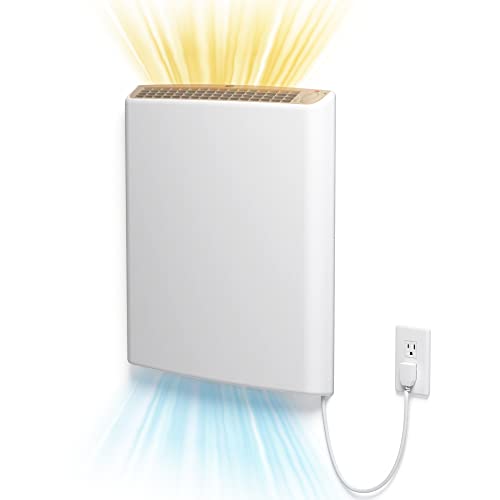
This plug-in 220V wall panel provides targeted zone heating without hardwiring, simplifying installation. The product emphasizes low-wattage operation and continuous use capability, with a wall-sense safety sensor that cuts power if detached. The heater’s design maintains humidity better than forced-air heating and reduces airborne allergens being circulated.
Call 888-896-7031 for Free Local HVAC Quotes – Compare and Save Today!
The patented fan-less Stack Convection design offers silent, gentle warmth and an auto-dimming power light for minimal disturbance. Best suited for users seeking an easy-to-install solution for heating a single room or supplementing central heat to lower overall energy use.
Comfort Zone Ceiling Mount Garage Electric Heater

This 240V hardwired, fan-forced ceiling heater is intended for larger utility spaces such as garages, workshops, and storage areas. With 5,000W output, it delivers high-capacity heat and uses adjustable louvers and mounting angle for directed airflow. The fan-forced design achieves faster air distribution compared with passive convection units.
Constructed from heavy-gauge steel, the unit is built for durability in demanding or poorly insulated environments. Safety features include overheat protection and a thermal cut-out. This option is appropriate where rapid, high-output heating is required and where ceiling installation preserves floor space.
ThermoMate Infrared Electric Patio Heater 3000W

This hardwired 240V infrared heater uses carbon fiber heating elements to provide instant radiant heat. Infrared models warm people and surfaces directly rather than heating air, which can be advantageous outdoors or in drafty spaces where convective heat is less effective.
Call 888-896-7031 for Free Local HVAC Quotes – Compare and Save Today!
The unit offers two power modes (1500W and 3000W) and a remote with 24-hour timer. Manufacturer guidance suggests coverage for ~100–130 sq ft depending on mounting height and enclosure. The infrared approach is energy-efficient for spot heating and outdoor-covered areas due to direct radiant transfer and fast response.
Dreo Oil Filled Radiator 1500W

This portable oil-filled radiator offers thermal mass heating using internal oil to store and radiate heat evenly. With a digital thermostat, eco mode, and multiple safety protections—including overheat and tip-over safety—it aims to maintain steady room temperature with minimal cycling loss.
Oil-filled radiators are often efficient at delivering long-lasting, uniform warmth for indoor rooms because they continue radiating heat after the element cycles off. The model’s quiet operation and stable heat output make it suitable where prolonged, steady warmth matters more than instant heat-up time.
Buying Guide: Choosing The Right 220V Electric Heater
Selecting an efficient 220V electric heater requires weighing installation, space type, control features, and heating technology. Below are key considerations to compare options across multiple perspectives.
1. Installation Type And Electrical Requirements
- Hardwired (240V/220V): Best for permanent installations (panel heaters, ceiling units, infrared patio, garage heaters). Requires proper circuit sizing and professional installation when necessary.
- Plug-in 240V Panels: Easier to install if a matching outlet exists; convenient for renters or quick zone heating without rewiring.
- Dedicated Circuit: High-wattage units (≥3000W or garage heaters) typically need a dedicated breaker and correct wire gauge—verify required amperage before purchase.
2. Heating Technology And Efficiency
- Convection (Fan-Less or Fan-Forced): Fan-less panel heaters gently circulate warm air with low noise and minimal dust movement. Fan-forced units provide faster warm-up and broader air mixing at the expense of noise and potential dust circulation.
- Radiant/Infrared: Efficient for spot heating and semi-outdoor spaces; heats objects and people directly, minimizing lost energy heating cold air or external drafts.
- Oil-Filled Radiators: High thermal inertia produces steady, long-lasting warmth with efficient cycling—useful for sustained indoor heating without frequent on/off cycles.
3. Room Size And Heat Output Needs
- Estimate required wattage: roughly 10–12 watts per square foot for average insulation (adjust based on climate and room specifics).
- Small bedrooms or offices often perform well with 1000–2000W units; garages, workshops, or semi-outdoor patios may need 3000–5000W or more.
- Directional heaters (infrared) can be more effective than convectors for uncovered or high-ceilinged spaces.
4. Control Features And Usability
- Thermostat & Sensors: Accurate thermostats and room sensors reduce cycling and wasted energy. Wall-sense or proximity safety sensors add protection.
- Timers & Remote Controls: Scheduling and remote control let you run heaters only when needed, improving efficiency.
- Eco Modes: Adaptive modes that modulate power to maintain set temperature use less energy than fixed-output operation.
5. Safety And Certification
- Look for overheat protection, tip-over switch (for portable units), and thermal cut-out in high-power fixed units.
- ETL/UL certification indicates compliance with recognized safety standards; ensure hardwired installations follow local electrical codes.
6. Air Quality And Noise
- Fan-less designs minimize dust circulation and are quieter—preferred for bedrooms and allergy-sensitive users.
- Fan-forced heaters warm spaces faster but can create more noise and move dust.
7. Long-Term Efficiency Considerations
- Zone heating (heating only occupied rooms) often reduces overall energy use compared to raising central heat for the entire house.
- Insulation, drafts, and ceiling height materially affect real-world efficiency; pairing better insulation with targeted heating yields best results.
8. Performance Perspective Comparison
- Lowest Ongoing Noise & Dust Movement: Fan-less panel heaters and oil-filled radiators.
- Fastest Warm-Up: Fan-forced heaters and PTC ceramic fan heaters provide quick air temperature rise.
- Best For Outdoor/Semi-Outdoor: Infrared heaters that heat people and surfaces directly.
- Best For Large, Uninsulated Spaces: High-output hardwired ceiling or garage heaters with louvers and robust construction.
When choosing, verify electrical compatibility (voltage, breaker, outlet type), check the manufacturer’s recommended coverage area, and prioritize safety certifications. Matching heater type to the space’s functional needs—continuous low-level warmth, rapid heat, or directional radiant comfort—yields the best real-world efficiency.
Tips for Getting the Best HVAC Prices
- Prioritize Quality Over Cost
The most critical factor in any HVAC project is the quality of the installation. Don’t compromise on contractor expertise just to save money. - Check for Rebates
Always research current rebates and incentives — they can significantly reduce your overall cost. - Compare Multiple Quotes
Request at least three estimates before making your choice. You can click here to get three free quotes from local professionals. These quotes include available rebates and tax credits and automatically exclude unqualified contractors. - Negotiate Smartly
Once you've chosen a contractor, use the proven strategies from our guide — How Homeowners Can Negotiate with HVAC Dealers — to get the best possible final price.