
Choosing the best natural gas convection heater means balancing heat output, installation type, and room size. Below is a concise comparison of five well-regarded natural gas heaters that cover vent-free blue flame convection units, manual ventless models, and an infrared alternative for varied heating needs.
| Product | Type | BTU | Coverage |
|---|---|---|---|
| Mr. Heater MHVFBF30NGT | Vent-Free Blue Flame Convection | 30,000 | Up To 1,000 Sq. Ft. |
| Mr. Heater MHVFBF20NGT | Vent-Free Blue Flame Convection | 20,000 | Up To 700 Sq. Ft. |
| Dyna-Glo BFSS20NGT-2N | Vent-Free Blue Flame Convection | 10,000–20,000 | Up To 700 Sq. Ft. |
| ProCom MN300HBA | Ventless Blue Flame Manual | 30,000 | Up To 1,400 Sq. Ft. |
| Dyna-Glo IR30NMDG-1 | Infrared Wall Heater (Radiant) | 30,000 | Up To 1,000 Sq. Ft. |
Content Navigation
- Mr. Heater MHVFBF30NGT 30,000 BTU Vent Free Blue Flame Natural Gas Heater
- Mr. Heater MHVFBF20NGT 20,000 BTU Vent Free Blue Flame Natural Gas Heater
- Dyna-Glo BFSS20NGT-2N 20,000 BTU Natural Gas Blue Flame Thermostatic Vent Free Wall Heater
- ProCom Heating Natural Gas Ventless Blue Flame Heater With Base Feet – 30,000 BTU
- Dyna-Glo IR30NMDG-1 30,000 BTU Natural Gas Infrared Wall Heater
- Buying Guide: Choosing A Natural Gas Convection Heater
- 1. Heating Method: Convection vs. Radiant
- 2. BTU Output And Coverage
- 3. Venting And Installation Options
- 4. Safety Features
- 5. Fuel Type And Conversion
- 6. Controls And Power Requirements
- 7. Installation Clearance And Location
- 8. Indoor Air Quality And Vent-Free Considerations
- 9. Maintenance And Serviceability
- 10. Room Use And Occupancy Patterns
- Comparison Perspectives
Mr. Heater MHVFBF30NGT 30,000 BTU Vent Free Blue Flame Natural Gas Heater
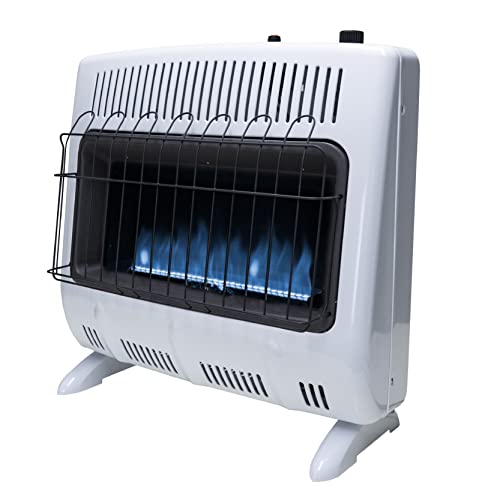
Overview: This vent-free blue flame wall heater delivers 30,000 BTU and uses convection to circulate warm air. It is designed for wall mounting and intended to heat rooms up to 1,000 sq. ft.
Key Features:
- Powerful Heat: Up to 30,000 BTUs suitable for cold rooms, sunrooms, or additions.
- Precise Thermostat Control: Built-in thermostat with included battery for electric ignition.
- Fuel Efficient Blue Flame: Blue flame burner provides steady convection heat and low gas consumption.
- Altitude Rating: Effective at altitudes up to 4,500 feet.
Suitability: Best for homeowners seeking a wall-mounted vent-free convection heater with a higher BTU output for larger rooms where venting is not desired.
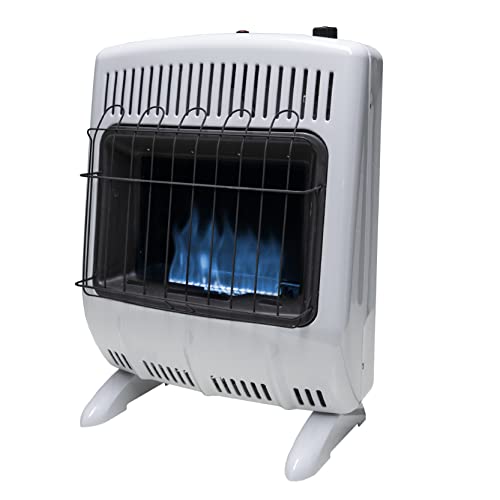
Mr. Heater MHVFBF20NGT 20,000 BTU Vent Free Blue Flame Natural Gas Heater
Call 888-896-7031 for Free Local HVAC Quotes – Compare and Save Today!
Overview: A smaller-capacity vent-free blue flame convection heater providing 20,000 BTU, designed for rooms up to 700 sq. ft. It shares core features with larger models while offering compact sizing.
Key Features:
- Convection Heat: Even air warming through blue flame convection technology.
- Thermostat Control: Integrated thermostat with battery-powered ignition for reliable starts.
- Fuel Efficiency: Lower gas consumption relative to larger BTU units.
- Altitude Capable: Rated up to 4,500 feet altitude for consistent performance.
Suitability: Appropriate for medium-sized rooms, additions, or sunrooms where vent-free convection heating and a compact wall unit are desirable.
Dyna-Glo BFSS20NGT-2N 20,000 BTU Natural Gas Blue Flame Thermostatic Vent Free Wall Heater

Overview: A vent-free blue flame wall heater offering adjustable output between 10,000 and 20,000 BTU. Uses convection to warm air similar to central heating distribution.
Key Features:
Call 888-896-7031 for Free Local HVAC Quotes – Compare and Save Today!
- Adjustable Heat: Variable BTU output enables finer room temperature control up to 20,000 BTU.
- Blue Flame Technology: Convection heating that warms air efficiently and promotes even distribution.
- Vent-Free Design: Installation flexibility where venting is not an option; natural gas ready.
Suitability: Useful for users who want adjustable output for varying room sizes or intermittent usage, especially in homes where venting is restricted.
ProCom Heating Natural Gas Ventless Blue Flame Heater With Base Feet – 30,000 BTU

Overview: This ventless blue flame heater provides 30,000 BTU using natural gas only, with manual control and three heat settings. No electricity is required for ignition on this model.
Key Features:
- High Output: Rated to heat up to 1,400 sq. ft. depending on insulation and ceiling height.
- Manual Control: Push-button Piezo ignition with Low/Medium/High settings and no electrical dependency.
- Safety: Includes an Oxygen Depletion Sensor (ODS) for automatic shut-off in unsafe oxygen conditions.
- Installation Options: Can sit on base feet or be wall-mounted with included hardware.
Suitability: Fits installations where electricity is not available or where a manual, ventless blue flame convection heater with simple controls is preferred.
Dyna-Glo IR30NMDG-1 30,000 BTU Natural Gas Infrared Wall Heater

Overview: An infrared natural gas wall heater that radiates heat to objects and people rather than primarily convecting air. Rated at 30,000 BTU, suitable for targeted radiant warmth up to 1,000 sq. ft.
Key Features:
- Infrared Technology: Radiant heat warms objects first, offering a different comfort profile compared to convection units.
- Natural Gas Ready: Designed for use with natural gas only; fuel conversion not permitted.
- Targeted Heating: Useful for spaces where delivering warmth to occupants or specific areas is more effective than heating entire air volume.
Suitability: Ideal where radiant heat benefits are desired—garages, work areas, or rooms where convection may be less effective due to drafts or high ceilings.
Buying Guide: Choosing A Natural Gas Convection Heater
Selecting the right natural gas convection heater involves assessing room size, installation constraints, fuel access, safety features, and heating style. The following considerations help compare models and pick an appropriate heater for your application.
1. Heating Method: Convection vs. Radiant
Convection Heaters (blue flame vent-free units) heat room air and rely on warm air circulation. They are effective for even whole-room warmth and are common for living spaces, sunrooms, and additions.
Infrared (Radiant) Heaters heat objects and people directly, not the whole air mass. Radiant units are valuable in drafty spaces, garages, or high-ceiling rooms where air-based convection is inefficient.
2. BTU Output And Coverage
Match BTU rating to the room size. General guidelines: ~10,000–20,000 BTU for small to medium rooms (up to ~700 sq. ft.), and ~30,000 BTU or more for larger areas (up to ~1,000–1,400 sq. ft.), depending on insulation, ceiling height, and climate.
Always consider room insulation and local climate; a well-insulated room needs fewer BTUs than a poorly insulated, drafty one.
3. Venting And Installation Options
Vent-Free (Ventless) Units install without flue venting, offering easier installation and lower initial cost. They release combustion byproducts into the room per design limits, so adequate ventilation and adherence to local codes are required.
Direct-Vent Or Unit Heaters that require venting are preferable where indoor air quality concerns or building codes restrict vent-free operation. Check local regulations before choosing vent-free models.
4. Safety Features
- Oxygen Depletion Sensor (ODS): Shuts off the unit if oxygen levels fall below safe thresholds. This is standard on many ventless units and recommended for safety.
- Thermostatic Control: Built-in thermostats maintain set temperature and reduce cycling loss; some models include electronic ignition requiring a battery or electric power.
- Tip-over Or Overheat Protection: Relevant for portable or floor-mounted units; check for automatic shutoff features.
5. Fuel Type And Conversion
Confirm the heater is configured for natural gas if that is your fuel. Some units sold as “natural gas ready” may forbid conversion; others include conversion kits for propane. Use certified conversion parts and follow manufacturer instructions.
6. Controls And Power Requirements
Decide between manual controls (simple knobs, piezo ignition) and electronic controls (thermostats, digital settings, electric ignition). Manual units can work without electricity; electronic units may need batteries or AC power for ignition and thermostat functions.
7. Installation Clearance And Location
Follow the manufacturer’s minimum clearance requirements from floors, ceilings, and combustible materials. Wall-mounted convection heaters need appropriate mounting fasteners and sometimes minimum room dimensions to ensure proper airflow.
8. Indoor Air Quality And Vent-Free Considerations
Vent-free combustion produces water vapor and low levels of combustion byproducts. In tightly sealed homes, these can affect humidity and may trigger ODS shut-offs. Ensure adequate ventilation or consider vented alternatives if indoor air quality is a concern.
9. Maintenance And Serviceability
Look for units with accessible burners and easy access to thermostat and gas connections. Regular maintenance includes burner inspection, cleaning dust buildup, and checking ignition components. Confirm local service support and replacement part availability.
10. Room Use And Occupancy Patterns
For continuous whole-room comfort, convection vent-free heaters with thermostats are efficient. For intermittent or spot heating (workshops, garages), infrared radiant heaters or high-output ventless manual units can be better suited.
Comparison Perspectives
Energy Efficiency: Convection vent-free blue flame units are efficient at converting gas to room heat but add moisture to indoor air. Infrared units reduce wasted energy warming large air volumes when occupants can be directly heated instead.
Installation Flexibility: Ventless models are easier to place but must comply with codes. Venting options increase installation complexity but improve indoor air quality.
Control And Comfort: Thermostatic models provide automated temperature regulation; manual units offer simplicity and operation without electricity.
Use these considerations together: match BTU to room size, choose the heating method that fits room conditions, confirm safety and local code compliance, and prioritize features that match your usage patterns for the most appropriate natural gas convection heater.
Tips for Getting the Best HVAC Prices
- Prioritize Quality Over Cost
The most critical factor in any HVAC project is the quality of the installation. Don’t compromise on contractor expertise just to save money. - Check for Rebates
Always research current rebates and incentives — they can significantly reduce your overall cost. - Compare Multiple Quotes
Request at least three estimates before making your choice. You can click here to get three free quotes from local professionals. These quotes include available rebates and tax credits and automatically exclude unqualified contractors. - Negotiate Smartly
Once you've chosen a contractor, use the proven strategies from our guide — How Homeowners Can Negotiate with HVAC Dealers — to get the best possible final price.