
Natural gas wall heaters are a popular choice for spot heating in homes, garages, and finished basements. This guide compares reliable natural gas models alongside high-efficiency electric wall heaters that are often chosen as alternatives when gas lines aren’t available. Below is a quick comparison of the five selected models covered in this article.
| Product | Fuel/Type | Key Feature | Coverage/BTU or Watt |
|---|---|---|---|
| EMPIRE DV215 NG Direct Vent Wall Furnace | Natural Gas (Direct Vent) | Included venting & cap | 15,000 BTU |
| Dyna-Glo IR6NMDG-1 Infrared Vent Free | Natural Gas (Vent Free) | Infrared radiant heat | 6,000 BTU |
| Heat Storm HS-1500-PHX-WIFI | Electric (Infrared, Wi‑Fi) | Wi‑Fi enabled, wall mount | 1,500 Watts |
| Cadet CEC163TW Energy Plus | Electric (Built-In Thermostat) | Onboard digital thermostat | Up To 1,600 Watts / Multi-voltage |
| Broan-NuTone 9815WH High Capacity | Electric (High Capacity) | Adjustable built-in thermostat | 1,500 Watts / 120/240V |
Content Navigation
Empire DV215 NG Direct Vent Wall Furnace
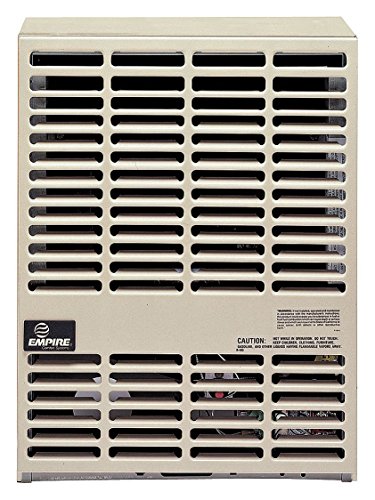
Type: Direct vent natural gas wall furnace. Output: 15,000 BTU. This model includes a venting system and cap for through‑wall installation. The unit is sized for localized heating where a higher BTU output is needed compared to small vent‑free units.
Features listed include Empire Direct Vent Heater, 15,000 BTU, and venting and vent cap included. Physical dimensions are provided: 20 1/4″W x 9 3/8″D x 24 7/8″H, which helps when planning wall cutout and clearance. The direct vent design draws combustion air from outside and exhausts outside, improving indoor air quality and complying with codes that restrict vent‑free units in some jurisdictions.
Relevant considerations: direct vent units require proper through‑wall venting, combustion air clearances, and professional gas and vent installation to ensure safe operation and code compliance.
Dyna-Glo IR6NMDG-1 Vent Free Infrared Heater

Call 888-896-7031 for Free Local HVAC Quotes – Compare and Save Today!
Type: Vent‑free infrared natural gas wall heater. Output: Up to 6,000 BTU/hr, intended for small rooms up to about 200 sq ft. Infrared radiant heat warms objects and occupants first rather than only heating the air.
Manufacturer features note: Natural gas ready (field conversion not permitted), Infrared technology that radiates heat to warm objects similar to the sun, and a rated capacity to heat up to 200 sq. ft. Being vent‑free, the unit releases combustion products into the living space within EPA and local code allowances, so verify local regulations and ventilation requirements before installation.
Vent‑free units often provide quick perceived warmth and efficient room heating when properly sized. They typically need less infrastructure than direct vent units but require careful consideration of indoor air quality, clearances, and oxygen depletion features.
Heat Storm HS-1500-PHX-WIFI Infrared Heater

Type: Electric infrared wall‑mounted heater with Wi‑Fi control. Output: 1,500 Watts. This unit is an alternative to gas heaters when a gas supply or venting is not available or desired.
Key features listed include Wi‑Fi enabled control from a phone, tip‑over safety shutoff (note: tip‑over typically applies to freestanding models; verify model‑specific safety features), a touch screen with digital thermostat, remote control, and a space‑saving wall mount design. Infrared electric heaters provide direct radiant warmth and often have fast warm‑up times.
Call 888-896-7031 for Free Local HVAC Quotes – Compare and Save Today!
Electric wall heaters avoid combustion and venting requirements, making them simpler to install where appropriate electrical capacity exists. Consider electrical circuit capacity and whether hardwired or plug‑in installation is required.
Cadet CEC163TW Energy Plus Wall Heater

Type: Electric wall heater with built‑in digital thermostat. Output: Multi‑voltage options with wattages up to 1,600W. Designed to replace older Com‑Pak series units using the same wall can for easier retrofits.
Manufacturer features highlight an onboard digital thermostat with push‑button controls and a large display, thermal safeguard protection that turns the heater off if operating temperatures are exceeded, and compatibility with existing Cadet Com‑Pak wall cans to minimize wall patchwork during replacement.
Electric units with integrated thermostats provide precise temperature control and safety shutoffs. They are often recommended for retrofit scenarios where minimal construction disturbance is preferred.
Broan-NuTone 9815WH High Capacity Wall Heater

Type: Electric high‑capacity wall heater with adjustable thermostat. Output: 1,500W convertible to 240V operation. Designed for supplemental heating with a focus on durability and quiet operation.
Listed features include an energy‑saving heating supplement capable of converting between 120V and 240V, a front‑mounted adjustable thermostat, contemporary grille styling, and a permanently lubricated motor requiring no oiling. The design emphasizes reliable operation and easy user control.
High‑capacity electric wall heaters are practical where gas is not available, and they are commonly used as supplemental or zone heating solutions. Ensure wiring and breaker capacity match the heater’s voltage and wattage requirements before installation.
Buying Guide For NG Wall Heaters And Alternatives
This buying guide covers critical considerations when choosing a natural gas wall heater or an electric alternative. It compares vented vs vent‑free gas units, electric infrared and forced‑fan wall heaters, safety features, installation, and operational cost factors.
Tips for Getting the Best HVAC Prices
- Prioritize Quality Over Cost
The most critical factor in any HVAC project is the quality of the installation. Don’t compromise on contractor expertise just to save money. - Check for Rebates
Always research current rebates and incentives — they can significantly reduce your overall cost. - Compare Multiple Quotes
Request at least three estimates before making your choice. You can click here to get three free quotes from local professionals. These quotes include available rebates and tax credits and automatically exclude unqualified contractors. - Negotiate Smartly
Once you've chosen a contractor, use the proven strategies from our guide — How Homeowners Can Negotiate with HVAC Dealers — to get the best possible final price.
Fuel Type And Venting
- Direct Vent Gas Heaters: Use sealed combustion with outside intake and exhaust; better indoor air quality and allowed in more code environments. Require a through‑wall vent and professional installation.
- Vent‑Free Gas Heaters: No external venting; combustion products are released indoors in diluted form. Offer easier installation but are regulated in some areas and may affect indoor humidity and oxygen levels.
- Electric Wall Heaters: No combustion or venting required. Suitable when gas is unavailable or when minimizing installation complexity is important.
Heating Capacity And Room Size
- Match BTU (gas) or wattage (electric) to the room’s heating load. Rough rule: 10 Watts per sq ft for moderate climates; gas sizing depends on BTU and insulation. Manufacturer coverage estimates (e.g., 6,000 BTU up to ~200 sq ft) are general; perform a room heat loss calculation for accuracy.
- Oversizing leads to short cycling and inefficiency; undersizing means inadequate comfort.
Safety Features And Codes
- For gas units, confirm oxygen depletion safety (ODS), flame sensors, and compliance with local building codes. Vent‑free units may be restricted in bedrooms and some jurisdictions.
- For electric units, look for overheat protection, thermal cutoffs, and UL/ETL listings. Verify that electric installations meet NEC requirements for circuit capacity.
Installation Considerations
- Gas Line & Venting: Direct vent units require through‑wall openings and a vent kit. Professional gas hookup and sealant are critical.
- Electrical Supply: Electric wall heaters often require dedicated circuits; some models can be switched between 120V/240V—confirm factory wiring and rewiring needs.
- Retrofit vs New Install: Some electric models are designed to reuse existing Cadet wall cans to simplify retrofits and reduce drywall work.
Control And Comfort Features
- Built‑In Thermostats: Provide precise setpoint control and energy savings. Digital thermostats with timers offer better automation.
- Wi‑Fi / Remote Control: Convenience features like the Heat Storm Wi‑Fi allow remote adjustments and scheduling for enhanced comfort management.
- Fan vs Radiant: Fan‑assisted electric heaters distribute heat faster; infrared/radiant heaters warm objects and occupants directly and may feel warmer at lower air temperatures.
Operational Cost And Efficiency
- Natural gas units typically have lower fuel cost per BTU than electric in many regions, but efficiency depends on venting losses, heat distribution, and local utility rates.
- Electric heaters are nearly 100% efficient at the point of use, but electricity rates often make them more expensive to operate per unit of heat compared to gas.
- Consider insulation, thermostat setbacks, and zone heating strategies to reduce overall operating cost regardless of fuel type.
Indoor Air Quality And Ventilation
- Vent‑free gas heaters introduce combustion products into living space; maintain adequate ventilation and follow manufacturer guidance on room size and clearance.
- Direct vent units isolate combustion, improving indoor air quality for occupants sensitive to combustion byproducts.
Durability, Maintenance, And Warranty
- Review manufacturer warranty terms and recommended maintenance. Gas units may need annual inspection of burners and vents; electric units typically require less routine maintenance but should be inspected for dust buildup and fan motor health.
- Choose grills and finishes that resist corrosion in humid environments.
Matching Heater To Use Case
- Main Heating vs Supplemental: Most wall heaters are designed for supplemental or spot heating. For whole-home heating, consult HVAC professionals for appropriate systems.
- Garages and Workshops: Direct vent or properly rated vent‑free units are commonly used; confirm local code and ventilation requirements for workspace heating.
- Bedrooms and Living Areas: Check code restrictions on vent‑free gas use in sleeping areas; electric heaters or direct vent gas units may be preferable where allowed.
Comparison Perspectives
- Safety Perspective: Direct vent models (e.g., Empire DV215) are safer for indoor air quality than vent‑free units; electric units remove combustion concerns entirely.
- Installation Perspective: Vent‑free gas and electric wall heaters often have easier installation footprints; direct vent units require through‑wall venting and professional gas work.
- Cost Perspective: Evaluate local gas vs electric rates and installation complexity. Short‑term acquisition cost can differ substantially from long‑term operating cost.
- Comfort Perspective: Infrared radiant heaters (gas or electric) provide fast perceived warmth to people and objects, while forced‑air or fan‑assisted heaters move warm air to distribute heat more evenly.