
Warm Starts and consistent engine performance in cold weather depend on choosing the right engine heater. The table below summarizes the nitro and engine heaters reviewed here, including models for RC nitro engines and automotive block heaters. Use the quick comparison to find the heater that fits your vehicle or RC application.
| Product | Type | Power / Fit | Brand |
|---|---|---|---|
| Dynamite Nitro Engine Heater 12V DC DYNE1600 | RC Nitro Engine Heater | 12V DC | Dynamite |
| Goolsky Engine Heater For 19-26 RC Nitro | RC Nitro Engine Heater | 12V DC, Fits 19-26 Engines | Goolsky |
| HPI Racing Nitro Star F3.5 V2 Engine | Nitro Engine (Engine Unit) | 3.5cc, Slide Carb | Hobbico / HPI |
| Zerostart 3100057 Engine Block Heater | Automotive Block Heater | 120V, 600W, 1-5/8″ Diameter | Zerostart |
Content Navigation
Dynamite Nitro Engine Heater 12V DC DYNE1600
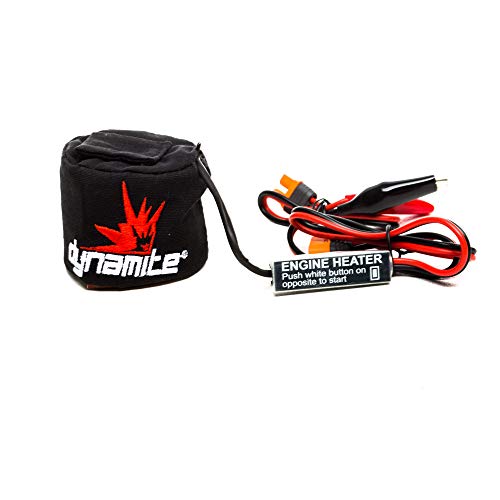
This Dynamite model is a purpose-built 12V DC nitro engine heater designed to warm RC glow engines before starting. The listed feature indicates the model designation DYNE1600, compatible with typical RC setups using a 12V power source such as a car battery or bench supply.
Key functional points from the product listing: the unit operates on 12V DC and is intended to heat the engine head and surrounding area to reduce cold-start issues. This design focuses on portability and convenience for field use where mains power isn’t available.
Use considerations: connect to an appropriate 12V supply and ensure secure placement on the engine head. Follow manufacturer guidance on mounting and run time to avoid overheating sensitive parts like the glow plug or carburetor needle assembly.
Goolsky Engine Heater For 19-26 RC Nitro Engines
Call 888-896-7031 for Free Local HVAC Quotes – Compare and Save Today!
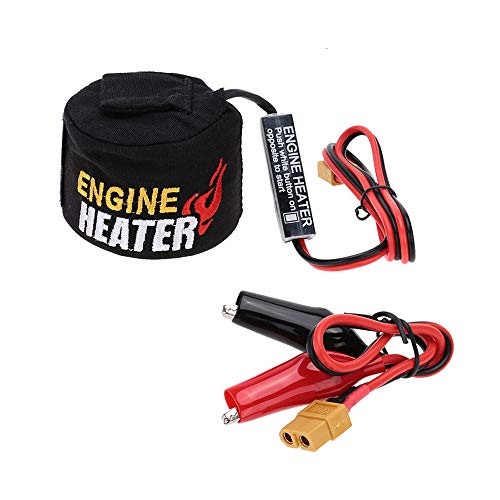
The Goolsky engine heater is marketed for 19-26 size RC nitro engines and lists features aimed at compact, field-ready operation. It targets hobbyists who need a lightweight heater that fits smaller engine classes.
Notable features included in the listing: compatibility with all 19-26 RC nitro engines; small, lightweight, and compact form factor; operation from a 12V DC source with a low voltage cut-off; an LED indicator to show heater status; and an adjustable, fireproof and heat-resistant cover. The design is intended to transfer heat efficiently while reducing fire risk.
Practical notes: the low-voltage cut-off protects the power source, and the LED helps confirm heating status. Proper positioning on the engine head and inspection of cover materials prior to extended use are recommended to maintain safe operation.
HPI Racing Nitro Star F3.5 V2 Engine (3.5cc)

This listing is for an actual nitro engine unit rather than a dedicated heater. The HPI Racing Nitro Star F3.5 V2 is a performance-focused 3.5cc engine with features that matter for tuning and thermal behavior during operation.
Features cited in the product listing include 2.5 horsepower potential, race-legal .21 engine displacement, and ABC construction intended for long life. Because this is an engine, heating considerations involve using external heaters or warm-up procedures to ensure consistent starts and fuel vaporization in cold conditions.
Call 888-896-7031 for Free Local HVAC Quotes – Compare and Save Today!
Applicability: this engine’s materials and design affect how quickly it reaches optimal operating temperature. When used with aftermarket nitro heaters or warmers, match the heater’s heat output and mounting approach to the engine head size and material to avoid hot spots or damage.
Zerostart 3100057 Engine Block Heater 120V, 600W
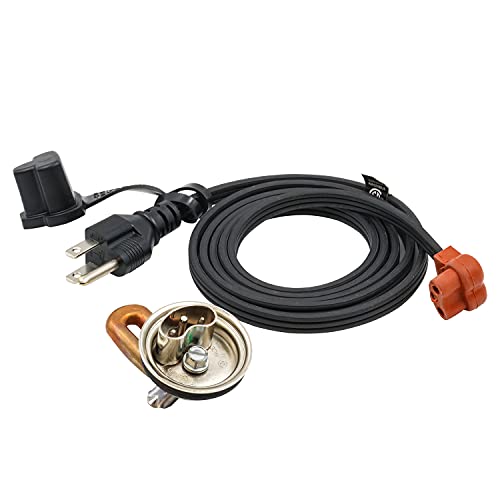
The Zerostart 3100057 is an automotive engine block heater intended for passenger vehicles and light trucks. The listing highlights its application compatibility across makes such as Buick, Cadillac, Chevrolet, Ford, Mercury, Lincoln, Jeep, Pontiac, Continental, and Oldsmobile.
Key listed features include 120V mains operation, 600 watts of heating power, and a 1-5/8 inch diameter probe. It is CSA approved and designed to reduce cold-start wear and ensure quicker warm-up of the engine coolant and oil for winter conditions.
Installation and use notes: this style of heater typically threads into the block or replaces a freeze plug depending on the vehicle application. Verify fitment using the manufacturer’s catalog and follow electrical safety practices for mains-connected devices.
Buying Guide: Choosing The Right Nitro Or Engine Heater
Selecting the right heater depends on whether you need a heater for an RC nitro engine, a full-scale automotive engine, or whether you require an engine component replacement that affects thermal performance. Below are key factors to weigh.
Tips for Getting the Best HVAC Prices
- Prioritize Quality Over Cost
The most critical factor in any HVAC project is the quality of the installation. Don’t compromise on contractor expertise just to save money. - Check for Rebates
Always research current rebates and incentives — they can significantly reduce your overall cost. - Compare Multiple Quotes
Request at least three estimates before making your choice. You can click here to get three free quotes from local professionals. These quotes include available rebates and tax credits and automatically exclude unqualified contractors. - Negotiate Smartly
Once you've chosen a contractor, use the proven strategies from our guide — How Homeowners Can Negotiate with HVAC Dealers — to get the best possible final price.
Application And Fit
- RC Nitro Engines: Confirm the heater is sized for your engine displacement and head geometry. Units listed as fitting 19-26 engines are intended for small hobby motors; check mounting options and contact points.
- Automotive Engines: For block heaters, verify probe diameter, thread type, and vehicle compatibility using the manufacturer application guide before purchase.
- Engine Units: If buying an actual engine, note that a heater is a separate accessory; ensure you have a compatible heating solution for cold-weather starts.
Power Source And Voltage
- 12V DC Heaters: Common for RC field use; can be powered by a vehicle battery or portable DC supply. Check for low-voltage cut-off to protect batteries.
- 120V AC Heaters: Typical for automotive block heaters. These require mains power and are usually more powerful, better for parking overnight in cold climates.
- Wattage And Heat Output: Higher wattage provides faster and stronger heating but requires appropriate power availability and safe mounting to avoid overheating components.
Safety Features And Materials
- Insulation And Covers: Heat-resistant and fireproof covers reduce risk near fuel lines and plastic components. Look for adjustable covers for a secure fit.
- Indicators And Cut-Offs: LED indicators, thermostats, or low-voltage cut-offs add safety and usability—confirm presence if field reliability matters.
- Certification: For mains-connected items, check for certifications like CSA, UL, or equivalent to ensure safe electrical design.
Mounting, Contact, And Heat Transfer
- Contact Area: Effective heating requires good thermal contact with the engine head or block. Ensure the heater design allows stable contact without slipping.
- Mounting Options: Magnets, straps, or threaded probes each have trade-offs. Straps and clamps are common for RC heads; threaded probes or freeze-plug replacements are used on automotive blocks.
- Even Heat Distribution: Avoid concentrated hot spots near sensitive components. Choose designs that distribute heat across the head or block evenly.
Portability And Field Use
- Weight And Size: Small, lightweight units are easier to transport to the track or field. Larger 120V block heaters are intended for stationary, overnight use.
- Power Access: RC users should confirm battery capacity and connector compatibility. Automotive users should plan for access to an outlet or timed operation.
Durability And Materials
- Construction: Metals and high-temperature polymers resist degradation from heat cycles. For RC heaters, fire-resistant covers and sturdy wiring increase lifespan.
- Environmental Resistance: Consider moisture resistance and ruggedness if exposed to outdoor conditions frequently.
Compatibility With Engine Materials
- Aluminum And Iron Heads: Different metals have different thermal conductivity—verify heater intensity and run time to match material and avoid thermal shock.
- Gaskets And Seals: Avoid applying heat directly to fragile gaskets or rubber components; use heater placement that warms the head without stressing seals.
Maintenance And Replacement
- Serviceability: Choose heaters with replaceable covers or cords where possible. For block heaters, inspect seals and electrical connections yearly.
- Storage: Keep electric cords and heating elements dry and stored to prevent chafing or moisture damage between seasons.
Comparison Perspectives
- RC Heater vs Automotive Block Heater: RC heaters prioritize portability and 12V operation; block heaters provide larger heat capacity for full engines but need mains power.
- Purpose-Built Heater vs Engine Unit: Buying an engine (e.g., HPI F3.5) is different from buying a heater. Engines require separate warm-up strategies and compatible heater accessories.
- Power Source Trade-Offs: 12V systems offer field flexibility but limited heat output. 120V systems provide strong, sustained heating for shop or overnight scenarios.
Typical Use Cases
- RC Racing/Field Use: Use lightweight 12V heaters with low-voltage protection to pre-warm heads before each run.
- Cold-Climate Vehicles: Install an automotive block heater for overnight warming to reduce engine wear and improve cabin comfort at start-up.
- Engine Testing And Tuning: Combine controlled heating with careful monitoring for consistent tuning during development or race prep.
Safety Checklist Before Use
- Confirm voltage compatibility with your power source.
- Inspect cables, connectors, and covers for damage before each use.
- Ensure clearances from fuel lines, batteries, and plastic components.
- Follow manufacturer recommended run-times and mounting instructions.
- Use ground-fault protection or appropriate breakers for mains-connected heaters.