
Choosing a heater that operates without grid power means weighing fuel type, safety systems, portability, and indoor compatibility. Below is a quick comparison of five relevant products that provide heat or enhance non-electric heating methods for homes, garages, and outdoor spaces.
| Product | Heat Source | Best For |
|---|---|---|
| HeatMate Sengoku HMC-23K | Kerosene | Large indoor/outdoor spaces, emergency heat |
| Mr. Heater MHVFBF20LPT | Propane (vent-free) | Cabins, rooms up to ~700 sq. ft. |
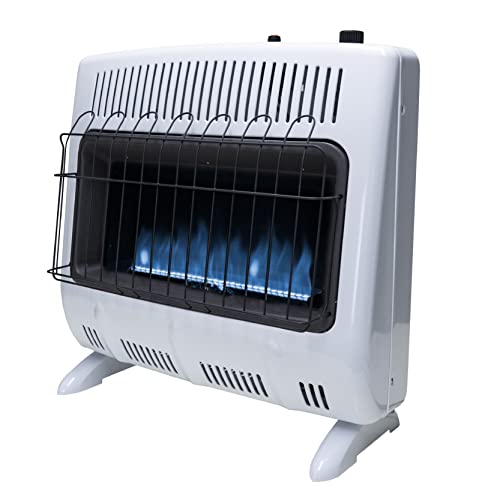
| Mr. Heater MHVFBF30NGT | Natural Gas (vent-free) | Permanent installation for up to ~1,000 sq. ft. |
| InoKraft Stove Fan | Heat-Powered (no electricity) | Distributing wood stove heat more efficiently |
| Intermatic SW60MK Timer | Spring-wound mechanical | Controlling loads without mains power or for simplicity |
Content Navigation
- Sengoku Indoor & Outdoor Portable Kerosene Heater, 23,500 BTU
- Mr. Heater MHVFBF20LPT 20,000 BTU Blue Flame Vent Free Propane Heater
- Mr. Heater MHVFBF30NGT 30,000 BTU Vent Free Blue Flame Natural Gas Heater
- InoKraft Stove Fan For Wood Stove — Heat Powered, No Electricity
- Intermatic SW60MK 60-Minute Spring Wound Timer — No-Electricity Operation
- Buying Guide: Choosing The Right No-Electricity Heating Solution
Sengoku Indoor & Outdoor Portable Kerosene Heater, 23,500 BTU
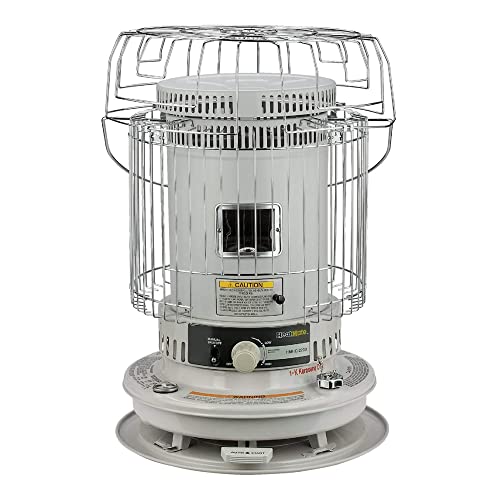
Heat Output And Coverage: The HMC-23K delivers 23,500 BTU and is rated to heat up to 1,000 square feet, making it suitable for large rooms, garages, and temporary emergency heating needs.
Fuel Capacity And Runtime: The built-in 1.9-gallon fuel tank supports up to 12 hours of runtime on a single fill under normal operating conditions, enabling extended use without electricity.
Safety Features: Designed with an automatic shut off, tip-over switch, and protective safety guard grills. These systems are intended to reduce fire and spill risks during indoor operation.
Use Cases And Limitations: Useful for emergency heat, workshops, and locations without electricity. Kerosene heaters require proper ventilation and fuel storage practices; follow local codes and manufacturer instructions for indoor use.
Call 888-896-7031 for Free Local HVAC Quotes – Compare and Save Today!
Mr. Heater MHVFBF20LPT 20,000 BTU Blue Flame Vent Free Propane Heater
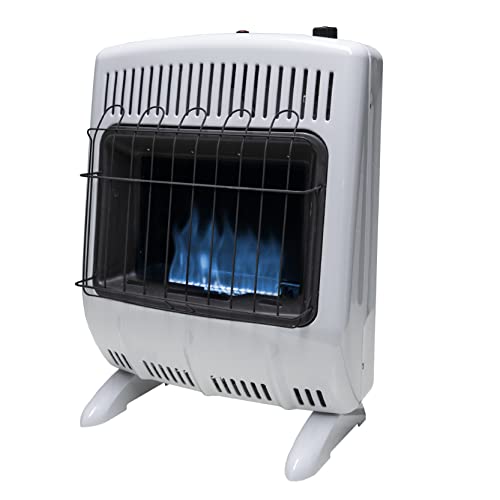
Heating Performance: Provides up to 20,000 BTU, typically effective for spaces up to 700 sq. ft. The blue flame design ensures combustion aimed at efficient convection heat.
Controls And Ignition: Equipped with a thermostat and battery-powered electronic ignition. The thermostat allows temperature regulation while the ignition simplifies startup without a household electrical connection.
Safety Systems: Includes an Oxygen Depletion Sensor (ODS) that shuts the unit down if oxygen levels fall below safe thresholds. This feature is critical for indoor gas heater safety.
Installation And Suitability: Wall-mounted configuration suits cabins, additions, and rooms where vent-free gas is permitted. Verify local building codes and ensure adequate combustion air and clearance per instructions.
Mr. Heater MHVFBF30NGT 30,000 BTU Vent Free Blue Flame Natural Gas Heater
Call 888-896-7031 for Free Local HVAC Quotes – Compare and Save Today!
Power And Coverage: Rated at 30,000 BTU, this natural gas wall heater targets spaces up to 1,000 sq. ft. It is designed for higher-capacity heating while remaining a vent-free solution.
Thermostat And Ignition: Built-in thermostat enables temperature control; a battery is included for the electric ignition so the unit does not depend on household AC power for startup.
Fuel Efficiency: The blue flame burner design emphasizes efficient combustion and steady convection heat distribution for continuous comfort.
Considerations: Best for permanent installations where natural gas is available and vent-free operation is code-compliant. Confirm altitude limitations and local regulations before installation.
InoKraft Stove Fan For Wood Stove — Heat Powered, No Electricity

How It Works: The fan is thermoelectric, converting stove-top heat into electrical energy to spin the blades without batteries or external power. It typically starts operating at around 50°C.
Heat Distribution: Designed to move warm air from a wood or log stove farther into a room, enhancing comfort and reducing temperature stratification near the stove.
Noise And Design: The upgraded five-blade design prioritizes quiet operation; typical noise levels are low enough for residential spaces. The double-leg base improves heat transfer to the generator element.
Use Cases: Ideal as an accessory for wood stoves in cabins, homes, or off-grid settings where no electric blower is available. Does not produce heat itself but improves distribution of produced heat.
Intermatic SW60MK 60-Minute Spring Wound Timer — No-Electricity Operation

Functionality: The SW60MK is a mechanical spring-wound timer that controls loads for up to 60 minutes without relying on mains power or batteries for its timing mechanism.
Applications With No-Electricity Heaters: Useful for controlling mechanically driven devices, propane ignition circuits (where compatible), or lighting in off-grid setups. It adds simple, reliable timing control where electronic timers would need power.
Compatibility And Limitations: Designed for lighting and small motor loads; ensure electrical ratings match the device being controlled. This is not a heat source but a component to manage systems in low-power or emergency setups.
Benefits: Mechanical design provides robustness and predictable operation in environments where electrical controls are impractical or undesired.
Buying Guide: Choosing The Right No-Electricity Heating Solution
Define Your Use Case: Determine whether you need emergency heat, permanent supplemental heat, outdoor warmth, or improved wood-stove distribution. Kerosene and vent-free gas heaters suit different scenarios than stove fans or mechanical timers.
Fuel Availability And Storage: Consider what fuel is accessible: kerosene, propane, natural gas, or wood. Each has implications for storage, delivery, and refill logistics. Natural gas requires piping; propane needs cylinders or tanks.
Indoor Vs Outdoor Use: Some heaters are certified for indoor use (with ODS or similar safety systems) while others are strictly for outdoor or well-ventilated spaces. Verify manufacturer recommendations and local codes.
Safety Features: Look for ODS (Oxygen Depletion Sensors), tip-over shutoffs, automatic shutoff, and protective grills where applicable. For flammable fuels, ensure proper ventilation and carbon monoxide precautions such as CO alarms.
Heat Output And Coverage: Match BTU ratings or coverage guidance to room size. A heater rated for 1,000 sq. ft. will be oversized for a small bedroom but appropriate for large garages or open-plan spaces.
Installation And Codes: Vent-free gas heaters often require professional installation and compliance with building codes. Check altitude ratings and clearance requirements. Portable kerosene units require safe placement and fuel handling.
Operational Logistics: Evaluate runtime per fuel fill, ignition method, and maintenance. Kerosene heaters need periodic cleaning; gas heaters may require servicing and leak checks. Thermoelectric stove fans need proper stove temperatures to operate.
Efficiency And Comfort Type: Decide between radiant vs convection heating. Blue flame vent-free units deliver warm convection air; kerosene and wood stoves provide radiant and convected heat. Stove fans enhance convection distribution.
Noise And Emissions: Consider noise levels (some units and fans are quieter than others) and indoor emissions. Vent-free combustion creates water vapor and small amounts of combustion byproducts; proper ventilation and ODS are important.
Portability And Storage: For emergency or seasonal use, prioritize portable designs with manageable fuel containers. Hard-mounted gas heaters are more permanent solutions needing more planning.
Accessory Compatibility: Think about additional tools like mechanical timers, thermostats, or stove fans to optimize operation, conserve fuel, and increase comfort without electrical power.
Comparing Perspectives: From a cost-outcome perspective, vent-free gas offers efficient continuous heat with fixed fuel lines; kerosene provides portable high-BTU output without pipelines. From a safety/regulatory perspective, appliances with ODS and certified indoor ratings reduce risk but may still require CO monitoring. From an off-grid perspective, heat-powered fans and mechanical timers improve system performance without adding electrical dependencies.
Final Considerations: Match product features to your primary priorities—safety and indoor compatibility for occupied spaces, portability and runtime for emergency or outdoor use, and distribution accessories for wood-stove systems. Always follow manufacturer instructions and local codes for safe operation.
Tips for Getting the Best HVAC Prices
- Prioritize Quality Over Cost
The most critical factor in any HVAC project is the quality of the installation. Don’t compromise on contractor expertise just to save money. - Check for Rebates
Always research current rebates and incentives — they can significantly reduce your overall cost. - Compare Multiple Quotes
Request at least three estimates before making your choice. You can click here to get three free quotes from local professionals. These quotes include available rebates and tax credits and automatically exclude unqualified contractors. - Negotiate Smartly
Once you've chosen a contractor, use the proven strategies from our guide — How Homeowners Can Negotiate with HVAC Dealers — to get the best possible final price.