
Finding the right non-vented (vent-free) propane heater means balancing heating power, safety features, installation needs, and room size. This guide reviews top vent-free propane heaters and one direct-vent model for comparison, with a summary table up front to help you compare specs quickly.
| Product | Type | BTU Range | Coverage (Approx.) |
|---|---|---|---|
| Mr. Heater MHVFBF20LPT 20,000 BTU | Blue Flame Vent Free | 20,000 BTU | Up To 700 Sq. Ft. |
| Dyna-Glo IR30PMDG-1 30,000 BTU | Infrared Vent Free | 6,000–30,000 BTU | Up To 1,000 Sq. Ft. |
| Mr. Heater 30,000 BTU Vent Free Radiant | Radiant Vent Free | 30,000 BTU | Up To 1,000 Sq. Ft. |
| Dyna-Glo 30,000 BTU Blue Flame Vent Free | Blue Flame Vent Free | 24,000–30,000 BTU | Up To 1,000 Sq. Ft. |
| Comfort Glow 11,000 BTU Direct Vent | Direct Vent (Vented) | 11,000 BTU | Up To 375 Sq. Ft. |
Content Navigation
- Mr. Heater MHVFBF20LPT 20,000 BTU Vent Free Propane Heater
- Dyna-Glo IR30PMDG-1 30,000 BTU Infrared Vent Free Wall Heater
- Mr. Heater 30,000 BTU Vent Free Radiant Propane Heater
- Dyna-Glo 30,000 BTU Blue Flame Vent Free Wall Heater
- Comfort Glow 11,000 BTU Direct Vent Liquid Propane Wall Heater (Comparison)
- Buying Guide: How To Choose A Non Vented Propane Heater
- 1. Heater Type: Blue Flame, Radiant, Or Infrared
- 2. BTU Output And Room Size
- 3. Safety Features And Indoor Air Considerations
- 4. Fuel Supply And Consumption
- 5. Installation And Clearance Requirements
- 6. Elevation And Performance
- 7. Maintenance And Serviceability
- 8. Code, Regulations, And Indoor Air Quality
- 9. Comparative Perspectives
- 10. Final Practical Checks Before Buying
Mr. Heater MHVFBF20LPT 20,000 BTU Vent Free Propane Heater
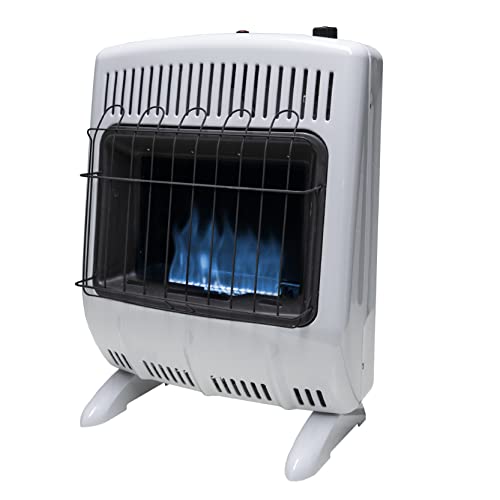
This blue flame vent-free wall heater provides up to 20,000 BTUs, suitable for spaces around 700 sq. ft. Features include a thermostat for temperature control and a battery-powered electronic ignition (battery included) for easier starts. The unit lists a fuel consumption rate and is rated to operate reliably up to higher elevations.
Key safety equipment includes a factory-installed Oxygen Depletion Sensor (ODS), which automatically shuts the heater off if oxygen levels drop. The wall-mounted format is intended for supplemental or primary heating in additions, sunrooms, garages, and cabins. As a vent-free device, it vents combustion products into the living space at designed, code-compliant levels.
Dyna-Glo IR30PMDG-1 30,000 BTU Infrared Vent Free Wall Heater

The Dyna-Glo IR30PMDG-1 uses infrared radiant technology to warm objects and people directly rather than primarily heating air. It has a variable output from 6,000 to 30,000 BTU, with coverage stated up to 1,000 sq. ft. Radiant heat can feel similar to sunlight and may deliver comfortable warmth in zones where air stratification is an issue.
Call 888-896-7031 for Free Local HVAC Quotes – Compare and Save Today!
This model is listed as liquid propane ready and intended as a vent-free unit. Radiant units typically provide quicker surface warmth and may be preferred in spaces where direct, targeted heating is desired. As with other vent-free heaters, proper room ventilation, following local codes, and using sensors like ODS are important for safe operation.
Mr. Heater 30,000 BTU Vent Free Radiant Propane Heater

This 30,000 BTU radiant vent-free heater advertises high efficiency and an infrared, sun-like heating pattern through multiple burner tiles. The design targets warming people and objects across up to 1,000 sq. ft. Its listed fuel consumption and runtime metrics are provided for planning propane supply needs.
Radiant vent-free heaters are often used for supplemental heating in cold rooms, additions, and cabins where immediate, direct warmth is preferred. The product description highlights fuel efficiency and runtime estimates at maximum output. As with other vent-free options, the presence of built-in ODS or similar safety mechanisms is an important feature to verify in installation and operation.
Dyna-Glo 30,000 BTU Blue Flame Vent Free Wall Heater

The Dyna-Glo blue flame model provides convective heating similar to central systems by warming air that circulates through the room. It lists a variable output from 24,000 to 30,000 BTU and is rated for up to 1,000 sq. ft. Blue flame vent-free heaters typically distribute heat via warmed air currents rather than direct radiant warmth.
Call 888-896-7031 for Free Local HVAC Quotes – Compare and Save Today!
Key points include that the unit is liquid propane ready with wall-mount installation. For many users, blue flame models deliver steady ambient heat and may integrate well when you want even air warming. As a vent-free appliance, observation of installation guidelines and safety sensors is crucial to maintain indoor air quality and code compliance.
Comfort Glow 11,000 BTU Direct Vent Liquid Propane Wall Heater (Comparison)
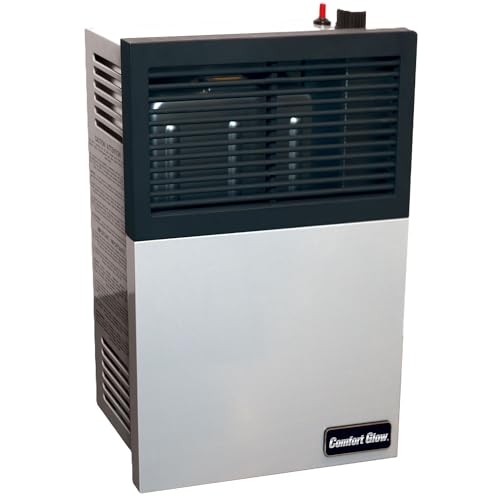
This Comfort Glow model is a direct vent (vented) wall heater included for comparison. It produces 11,000 BTU and lists coverage up to 375 sq. ft. The sealed burn system and direct venting route combustion products outdoors, which changes installation and indoor air quality considerations compared to vent-free units.
Direct vent systems typically require a vent run or a specific wall penetration with an appropriate vent cap and may be preferred in situations where indoor combustion byproducts must be kept entirely outside. The heater features a sealed burn system, matchless piezo ignition, and a safety pilot with a built-in pressure regulator to stop gas flow if the pilot is extinguished.
Buying Guide: How To Choose A Non Vented Propane Heater
Choosing a vent-free propane heater requires attention to safety, performance, and regulatory compliance. Below are key considerations and comparison perspectives to guide a responsible purchase.
1. Heater Type: Blue Flame, Radiant, Or Infrared
Blue Flame (Convective) warms air and distributes heat evenly by convection. Best for general ambient heating in enclosed spaces.
Radiant/Infrared warms objects and people directly and can feel warmer at lower air temperatures. Useful for spot heating, garages, or spaces with high ceilings where air heating is less efficient.
2. BTU Output And Room Size
Match BTU output to room square footage and insulation levels. Vent-free units commonly range from about 6,000 to 30,000 BTU. Higher BTUs cover larger areas but require appropriate clearances and fuel supply capacity. Use manufacturer coverage estimates as a baseline and adjust for poor insulation or high ceilings.
3. Safety Features And Indoor Air Considerations
Oxygen Depletion Sensor (ODS) and automatic shutoff features are essential on vent-free units. ODS prevents operation if oxygen falls below safe levels. Verify built-in sensors and compliance with local codes.
Vent-free heaters release combustion byproducts into the conditioned space at regulated levels. Ensure adequate ventilation, monitor for odors, and follow occupancy and appliance spacing recommendations. People with respiratory sensitivities may prefer direct venting systems.
4. Fuel Supply And Consumption
Understand fuel consumption rates and cylinder or line requirements. High-BTU units consume more propane and may need larger tanks or line capacity. Manufacturers often list pounds per hour consumption and estimated runtime—use these figures to plan supply and refilling logistics.
5. Installation And Clearance Requirements
Follow manufacturer instructions and local codes for wall mounting, clearances, and combustible material distances. Some vent-free models are intended for specific room types (e.g., garages vs. living spaces). Professional installation is recommended when venting, gas lines, or complex clearances are involved.
6. Elevation And Performance
Some heaters specify safe elevation ranges. Combustion performance can change at high altitudes, affecting BTU output and ignition. Check if the unit is rated for your elevation or has adjustments for altitude.
7. Maintenance And Serviceability
Look for units with accessible components for cleaning and periodic inspection. Regular checks of pilot assemblies, burners, and sensors help maintain safe and efficient operation. Replace batteries and inspect seals per manufacturer guidance.
8. Code, Regulations, And Indoor Air Quality
Local building codes may limit or regulate vent-free appliances. Some jurisdictions restrict their use in bedrooms, bathrooms, or new construction. Verify local regulations, and if in doubt, consult a licensed HVAC or gas professional for compliance and installation advice.
Tips for Getting the Best HVAC Prices
- Prioritize Quality Over Cost
The most critical factor in any HVAC project is the quality of the installation. Don’t compromise on contractor expertise just to save money. - Check for Rebates
Always research current rebates and incentives — they can significantly reduce your overall cost. - Compare Multiple Quotes
Request at least three estimates before making your choice. You can click here to get three free quotes from local professionals. These quotes include available rebates and tax credits and automatically exclude unqualified contractors. - Negotiate Smartly
Once you've chosen a contractor, use the proven strategies from our guide — How Homeowners Can Negotiate with HVAC Dealers — to get the best possible final price.
9. Comparative Perspectives
- Vent-Free vs. Direct Vent: Vent-free units are easier to install and more efficient in delivering heat into the room but release combustion products indoors. Direct vent units exhaust outdoors for better indoor air quality but require venting infrastructure.
- Blue Flame vs. Infrared: Blue flame models provide even air heating; infrared/radiant models provide faster, localized warmth. Choose based on use case—whole-room vs. spot heating.
- Single Room vs. Whole-Home Use: Vent-free heaters are typically for supplemental or zone heating; for whole-home solutions consider central systems or multiple properly sized units with attention to venting and codes.
10. Final Practical Checks Before Buying
- Confirm ODS and safety certifications on the model.
- Verify the required clearances and mounting configuration for your space.
- Ensure propane supply capacity and regulator compatibility for the unit’s BTU rating.
- Check local code restrictions for vent-free heater use in your jurisdiction.
- Plan routine maintenance: inspect burners, test sensors, replace batteries as needed.