
Choosing a heater for a nursery prioritizes safety, quiet operation, and steady warmth. This guide highlights five space heaters suited for baby rooms, each noted for safety features like tip-over protection, automatic shutoff, cool-touch surfaces, or child locks. Use the summary table to compare core features at a glance, then read brief objective reviews and a detailed buying guide to match a unit to your nursery needs.
| Product | Key Safety Features | Heat Type / Coverage |
|---|---|---|
| Vornadobaby Tempa Nursery Space Heater | Cool-Touch Exterior, Tip-Over Protection, Safety Shutoff, Locking Controls | Convection fan, Up To ~100 sq. ft. |
| Dreo Space Heater (Digital, 1500W) | Tilt Detection, Overheat Protection, V0 Flame-Retardant Materials, ETL | PTC Ceramic, Fast Heat, Wider Range Coverage |
| Dreo 25″ Fast Electric Heater (Child Lock) | 45° Tip-Over & Overheat Protection, Child Lock, V0 Materials, ETL | Ceramic Tower, Extended Airflow For Larger Rooms |
| Dreo Space Heater (1500W, Oscillation) | Smart Tip-Over, Overheat Protection, ETL-Certified Safety | PTC Ceramic, Quiet Operation, ~200 sq. ft. Coverage |
| GiveBest Portable Electric Space Heater | Automatic Safety Shutoff, Tip-Over Protection, Flame-Retardant Materials | PTC Ceramic, Two Heat Levels, Thermostat Control |
Content Navigation
- Vornadobaby Tempa Nursery Space Heater
- Dreo Space Heater, Portable Electric Heaters
- Dreo Space Heater For Indoor Use, 25″ Fast Electric Heater
- Dreo Space Heater, 1500W Indoor Heater With Thermostat
- GiveBest Portable Electric Space Heater With Thermostat
- Buying Guide: Choosing A Safe Space Heater For A Nursery
Vornadobaby Tempa Nursery Space Heater
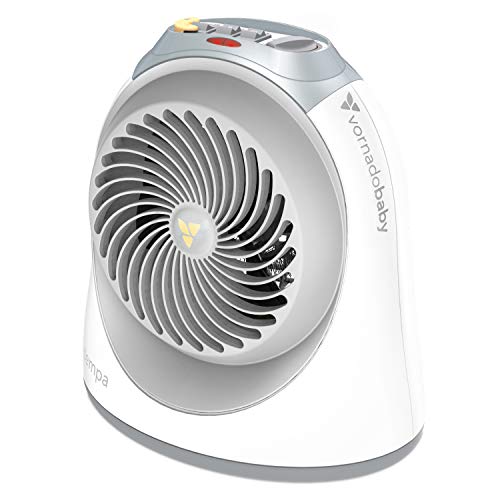
The Vornadobaby Tempa is designed specifically for baby rooms and emphasizes a gentle convection approach to heating. It uses a fan-based circulation to distribute warm air evenly across small nurseries, with an indicated coverage around 100 sq. ft.
Key features listed include two heat settings and a fan-only mode, plus selectable auto or continuous circulation. Safety-focused details include a cool-touch exterior, tip-over protection, and an automatic safety shut-off. The unit also has locking controls to prevent accidental adjustments and hidden cord storage for tidy placement away from curious hands.
For nursery placement, the Tempa’s tailored circulation and built-in locks aim to reduce direct contact with hot surfaces and minimize manual tampering while maintaining steady ambient warmth.
Dreo Space Heater, Portable Electric Heaters

Call 888-896-7031 for Free Local HVAC Quotes – Compare and Save Today!
This Dreo model uses a 1500W advanced PTC system combined with a focused airflow design for fast warm-up and extended reach. The product emphasizes a balance of heat output and safety certifications for indoor use.
Highlighted safety specs include an innovative tilt-detection sensor, overheat protection, and construction from V0 flame-retardant materials. The unit is ETL-certified and includes a safety plug. Temperature control is precise via an enhanced NTC chipset that allows fine temperature adjustments, helping maintain a consistent nursery climate.
Use cases for this model are focused on effective air circulation and accuracy of thermostat control, which can reduce temperature swings in rooms where steady ambient warmth is desired for infants.
Dreo Space Heater For Indoor Use, 25″ Fast Electric Heater

This Dreo tower heater features a taller design and an extended impeller to push warm air farther, suitable for larger nursery or combined nursery-adjacent spaces. It highlights rapid airflow and quiet operation as priorities.
Safety features include 45° tip-over protection, overheat protection, and a specific child lock setting to reduce accidental changes. The unit is built with V0 flame-retardant material and ETL certification. Noise levels are designed to be low (as low as 32 dB), which is relevant if continuous operation during naps or nighttime is considered.
Call 888-896-7031 for Free Local HVAC Quotes – Compare and Save Today!
For larger rooms or scenarios where you need the heater to reach further corners while maintaining safety locks and low noise, this model is positioned as a tower option with child-oriented safeguards.
Dreo Space Heater, 1500W Indoor Heater With Thermostat

This Dreo 1500W PTC ceramic heater aims for fast heating and quiet operation with a stated coverage near 200 sq. ft. It balances performance with a suite of safety features appropriate for prolonged indoor use in living spaces that include a nursery.
Safety points listed are ETL-Certified materials, smart tip-over protection, overheat protection, and a 12-hour timer. The design includes a flat 6 ft power cord and an instruction to plug directly into a wall outlet rather than using extension cords. Noise reduction features are emphasized to support undisturbed sleep.
Where consistent warmth across a modestly larger nursery or adjacent family area is needed, this model’s combination of quiet operation and multiple safety layers may be relevant.
GiveBest Portable Electric Space Heater With Thermostat

The GiveBest unit is a compact PTC ceramic heater offering two heat levels plus a cool fan mode. It includes thermostat control that cycles power to maintain a set temperature and built-in safety protections intended for everyday indoor use.
Listed safety features include flame-retardant materials, automatic safety shutoff for overheating, and tip-over protection which attempts to restart only once upright. The model is marketed as compact with a carry handle for placement flexibility near where you need targeted warmth.
This heater is positioned as a portable option for smaller nursery spaces or for parents seeking a targeted supplemental heater with basic automatic protections and thermostat control.
Buying Guide: Choosing A Safe Space Heater For A Nursery
When selecting a heater for a nursery, focus on safety features, heat delivery method, noise profile, thermostat accuracy, and placement logistics. Below are the key factors to evaluate with multiple perspectives for balanced decision-making.
Tips for Getting the Best HVAC Prices
- Prioritize Quality Over Cost
The most critical factor in any HVAC project is the quality of the installation. Don’t compromise on contractor expertise just to save money. - Check for Rebates
Always research current rebates and incentives — they can significantly reduce your overall cost. - Compare Multiple Quotes
Request at least three estimates before making your choice. You can click here to get three free quotes from local professionals. These quotes include available rebates and tax credits and automatically exclude unqualified contractors. - Negotiate Smartly
Once you've chosen a contractor, use the proven strategies from our guide — How Homeowners Can Negotiate with HVAC Dealers — to get the best possible final price.
1. Primary Safety Features To Prioritize
- Tip-Over Protection: Heaters with tilt or tip sensors cut power if knocked over. This is essential in a room with movement or objects that could topple a unit.
- Overheat/Automatic Shutoff: Prevents internal temperatures from reaching unsafe levels and reduces fire risk.
- Cool-Touch Exterior: Minimizes burn risk if a child accidentally touches the unit.
- Child Lock / Locking Controls: Helps prevent unintended temperature changes or mode changes by curious hands.
- Certifications and Materials: Look for ETL/UL listings and flame-retardant materials (V0 rating) for verified safety standards.
2. Heating Method And Room Size
- Convection/Fan-Based Heaters: Provide even ambient warmth for small nurseries and reduce hot spots. Good for maintaining a gentle temperature without direct exposure to a heating element.
- PTC Ceramic Heaters: Offer rapid warm-up and stable output, often with built-in safety cutoffs. Common for bedrooms and shared living areas.
- Tower/Extended Airflow Units: Better for larger rooms or when you need to reach across doorways or into adjacent spaces.
3. Thermostat Accuracy And Controls
- Precise Thermostat Control: Reduces temperature swings and prevents overheating. Models with 1° increments or responsive NTC chipsets give more stable results.
- Timers And Remote Controls: Timers help limit runtime and reduce energy use; a remote or app control can prevent handling the unit directly in a nursery.
- Lockable Settings: Use locking features to avoid accidental setting changes.
4. Noise Level And Sleep Considerations
- Quiet Operation: If the heater runs during naps or night, choose models with low dB ratings or specifically noted quiet modes to avoid disturbing sleep.
- Fan Speeds: Adjustable fan settings allow a balance between quiet and circulation when needed.
5. Placement, Power, And Installation
- Distance From Crib And Furnishings: Maintain recommended clearances and avoid placing heaters where bedding, toys, or curtains could contact the unit.
- Avoid Extension Cords: Many manufacturers and safety certifications advise plugging directly into a wall outlet to reduce fire risk.
- Stable, Elevated Surfaces: Place on a level surface out of reach of children and pets; consider wall-mounted or built-in cord storage options to keep cords tidy.
6. Multiple Comparison Perspectives
- Small Nursery, Close Proximity: Prioritize cool-touch exteriors, gentle convection, and lockable controls (e.g., Vornadobaby Tempa).
- Larger Room Or Shared Space: Choose tower or extended airflow units with wider coverage and child locks (e.g., Dreo 25″ model).
- Fast Warm-Up Needs: PTC ceramic models with precise thermostats deliver rapid heating and responsive temperature control.
- Continuous Night Use: Opt for units with low noise ratings, ETL certification, and multi-layer safety protections.
7. Maintenance And Ongoing Safety Practices
- Regular Inspection: Check cords, plugs, and grills for dust buildup or damage and clean per manufacturer instructions.
- Follow Clearances: Maintain manufacturer-recommended clearances from furniture and bedding.
- Supervised Use: Never leave heaters running unattended for extended periods; use timers and thermostats to limit runtime when possible.
- Smoke/CO Detectors: Keep functional smoke alarms in nearby areas—heaters should not replace basic fire safety measures.