
Choosing the right oil heater fan can improve comfort, reduce noise, and maintain steady warmth. Below is a quick comparison of selected models, followed by detailed product breakdowns and a buying guide to help match features to your needs.
| Product | Type | Key Feature | Best For |
|---|---|---|---|
| Amazon Basics Portable Oil Radiator Heater | Oil-Filled Radiator | 7 oil-filled fins, 3 heat settings | Quiet bedroom or office heating |
| De’Longhi Oil Filled Radiator Heater EW7707CM | Oil-Filled Radiator | ComfortTemp automatic temperature control | Energy-conscious room heating |
| PELONIS PHO15A2AGB Electric Oil Radiator | Oil-Filled Radiator | 3 power modes, whisper-quiet | Rapid, steady warmth for living spaces |
| De’Longhi Dragon Digital Oil Radiator TRD40615E | Oil-Filled Radiator | Digital controls, 24-hour timer | Programmable heating with precise control |
| Dreo Tower Fan And Heater Combo | Tower PTC Heater + Fan | Auto-shift PTC element, fan/heat combo | All-season use and active air circulation |
Content Navigation
Amazon Basics Portable Oil Radiator Heater

This oil-filled radiator uses seven steel fins and three heat settings—High (1500W), Medium (1000W), and Low (600W). The unit is built for steady residual heat retention, keeping rooms warm after the element cycles off.
- Heating Performance: Seven oil-filled fins provide sustained warmth and can heat up to about 144 sq ft.
- Controls & Modes: Three heat levels allow temperature customization without complex programming.
- Noise & Comfort: Silent operation due to lack of fan, suitable for bedrooms and offices.
- Safety: ETL-certified with overheat protection for indoor use.
As an oil radiator, it focuses on radiant and convective heat rather than forced-air circulation. That makes it efficient for slow, even heating and quiet overnight use.
De’Longhi Oil Filled Radiator Heater EW7707CM

The De’Longhi EW7707CM brings ComfortTemp technology to oil-filled radiator design, adjusting power to maintain a set temperature while improving efficiency.
Call 888-896-7031 for Free Local HVAC Quotes – Compare and Save Today!
- Energy Efficiency: ComfortTemp can reduce power use by adjusting output versus fixed high settings.
- Thermal Design: A thermal slot design increases heat flow while keeping surface temperatures lower for safer operation.
- Controls: Simple, user-friendly controls make setting the desired heat level straightforward.
- Use Case: Suitable for whole-room comfort in bedrooms or living spaces where consistent temperature matters.
This model emphasizes energy savings and consistent temperature maintenance, making it a fit for users seeking efficient, low-maintenance heating without active fan noise.
PELONIS PHO15A2AGB Basic Oil-Filled Radiator

PELONIS offers a straightforward oil-filled heater with three power modes (600W/900W/1500W) and claims rapid, gentle warmth without a fan.
- Power Options: Multi-level wattage supports energy management and varying room sizes.
- Comfort: Engineered for gentle, less-drying warmth suitable for overnight or prolonged use.
- Noise: Fanless design yields near-silent operation, useful for sleep or concentrated work.
- Application: Recommended for bedrooms, offices, and other rooms where quiet, steady heating is preferred.
The PELONIS unit is positioned for quiet, energy-conscious consumers who want conventional oil radiator performance with simple controls.
De’Longhi Dragon Digital Oil Radiator TRD40615E
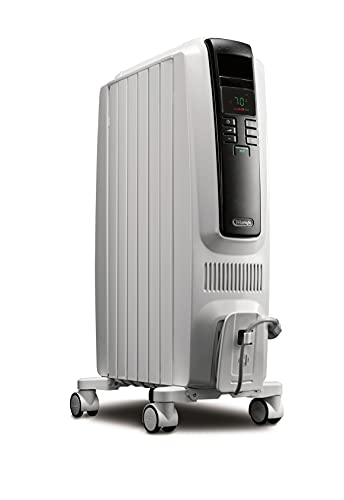
The De’Longhi Dragon adds digital controls and programmability to oil heating. It features a LED display and a 24-hour timer for scheduled operation.
Call 888-896-7031 for Free Local HVAC Quotes – Compare and Save Today!
- Digital Controls: LED panel and timer enable precise scheduling and easier temperature management.
- Surface Area Design: Increased radiant surface area helps transfer heat into the environment efficiently.
- Quick Convection: Enhanced convection design helps distribute warm air faster than typical radiator-only units.
- Use Case: Ideal where timed heating and exact control are desired, such as living rooms or workspaces.
The TRD40615E focuses on programmability and rapid distribution, bridging oil radiator efficiency with digital convenience.
Dreo Tower Fan And Heater Combo

Unlike pure oil radiators, this Dreo tower blends a PTC electric heater with a high-performance DC fan, enabling both active heating and powerful air circulation.
- All-Season Use: Auto-shift tech switches between a 5-level 1500W PTC heater and 12 fan speeds for cooling modes.
- Air Circulation: Upgraded motor and wide oscillation push air up to 40 ft for faster distribution of warm or cool air.
- Control & Precision: ECO mode with ±1.5ºF precision and rapid 2-second heat response from the PTC element.
- Application: Best when you want active airflow plus instant heat, or a single-year-round device.
This hybrid approach offers faster warm-up and room mixing compared to passive oil radiators, useful in larger or draft-prone spaces.
Buying Guide: How To Choose The Best Oil Heater Fan
Selecting the right heater depends on room size, noise tolerance, desired control level, and whether you want active circulation. Below are key considerations to compare models objectively.
Type: Oil-Filled Radiator vs. PTC Heater Fan
Oil-Filled Radiators provide slow, sustained heat with minimal noise and are efficient for maintaining steady temperature. They rely on convection and radiant heat and retain warmth after power cycles.
PTC Heater Fans and Tower Combos generate rapid heat and include fans to actively push warm air. They heat spaces faster and can double as cooling fans for year-round use.
Heating Power And Coverage
Look at maximum wattage (commonly 1500W) and manufacturer guidance for square footage. Oil radiators often suit small to medium rooms, while fan-assisted heaters can distribute warmth over larger distances faster.
Control Features And Programmability
Basic models offer simple high/medium/low settings. Digital models can include thermostats, timers, and precise temperature control. Choose digital controls if you need scheduled or temperature-targeted heating.
Noise Level
If quiet operation is a priority (bedrooms, nurseries, home offices), fanless oil radiators are preferable. Fan-assisted heaters provide stronger airflow but introduce motor noise—even models with low dB ratings still produce audible sound.
Energy Efficiency And Heat Retention
Oil radiators keep releasing heat after the element cycles off, which can improve efficiency. Models with adaptive controls or ECO modes can reduce power usage by modulating output.
Safety Features
Check for overheat protection, tip-over shutoff, and certified safety listings (ETL/UL). Cooler surface designs or thermal slot features reduce burn risk around radiators.
Portability And Size
Consider weight, footprint, and handles or caster wheels for moving between rooms. Tower combos are generally slimmer but may be taller, while oil radiators are wider but often on wheels.
Air Quality And Comfort
Oil-filled radiators do not blow dust or dry air the way forced-air units can, which benefits allergy sufferers. Fan heaters move air more actively, which can distribute dust but also reduce hot/cold spots.
All-Season Versatility
If you want year-round utility, heater-fan combos provide both heating and cooling. Pure oil radiators are seasonal but excel at low-noise, steady heating in winter.
Durability And Maintenance
Oil heaters require minimal maintenance; the oil is sealed and typically does not need replacement. Fan motors and PTC elements are the wear points in combos—look for models with reliable motor designs and warranties.
Comparative Perspectives
- Quiet, Overnight Heating: Choose oil-filled radiators with multiple fins and fanless construction.
- Fast Warm-Up & Even Distribution: Select PTC heater-fan combos with strong airflow and oscillation.
- Precise Temperature Control: Opt for digital models with thermostats and timers.
- Energy Savings: Look for ECO modes, ComfortTemp features, and multi-watt settings to avoid running at full power constantly.
Use these factors to match a heater to the size of your space, noise sensitivity, and whether you need active circulation or quiet, retained warmth.
Tips for Getting the Best HVAC Prices
- Prioritize Quality Over Cost
The most critical factor in any HVAC project is the quality of the installation. Don’t compromise on contractor expertise just to save money. - Check for Rebates
Always research current rebates and incentives — they can significantly reduce your overall cost. - Compare Multiple Quotes
Request at least three estimates before making your choice. You can click here to get three free quotes from local professionals. These quotes include available rebates and tax credits and automatically exclude unqualified contractors. - Negotiate Smartly
Once you've chosen a contractor, use the proven strategies from our guide — How Homeowners Can Negotiate with HVAC Dealers — to get the best possible final price.