
Choosing the right heater for an RV balances safety, power draw, and space. Below is a quick comparison of five portable heaters relevant to RV use, including electric oil-filled models and vehicle-rated options suitable for small living spaces.
| Product | Type | Power / Fuel | Key Safety Features |
|---|---|---|---|
| Comfort Zone CZ7007J | Electric Oil-Filled Radiator | Up To 1200W | Tip-Over & Overheat Protection |
| Dreo Radiator Heater 1500W (Remote) | Electric Oil-Filled Radiator | 1500W | Overheat & Tip-Over Protection, Timer |
| De’Longhi EW7707CM | Electric Oil-Filled Radiator | 1500W | Low Surface Temp, ComfortTemp |
| Amazon Basics 7-Fin 1500W | Electric Oil-Filled Radiator | 1500W | ETL Safety, Overheat Protection |
| Mr. Heater MH9BXRV Buddy | Propane Radiant RV Heater | 4,000–9,000 BTU (Propane) | Low O2 Sensor, Tip-Over Auto Shut-Off |
Content Navigation
Comfort Zone Electric Oil-Filled Radiator CZ7007J

The Comfort Zone CZ7007J is a compact oil-filled radiator with three power settings (500W, 700W, 1200W), making it adaptable to limited RV electrical capacity. Its whisper-quiet operation suits sleeping areas and small enclosed spaces where fans or combustion noise is undesirable.
Safety elements include a tip-over switch and overheat protection. The heater’s slim footprint and integrated handle allow convenient repositioning inside an RV. Because it’s electric oil-filled, it provides residual heat after shutoff and does not produce combustion byproducts, which is an important consideration for enclosed RV cabins.
Dreo Radiator Heater 1500W With Remote

This Dreo oil-filled radiator provides 1500W output with extended fins designed for even heat distribution. It includes a digital display, ambient temperature indicator, 24-hour timer, and a remote control for convenience in tight RV interiors.
Call 888-896-7031 for Free Local HVAC Quotes – Compare and Save Today!
The unit features overheat and tip-over protection and quieter operation. Its stronger heat output is useful for larger RVs or very cold conditions, but power demands should be matched to the RV’s electrical supply (shore power or generator). The accurate temperature readout helps avoid unnecessary run time.
De’Longhi Oil-Filled Radiator EW7707CM

De’Longhi’s EW7707CM emphasizes efficiency and temperature control. The ComfortTemp feature automatically maintains a set point to reduce power use while keeping stable warmth, which is beneficial when relying on limited RV power sources.
The design includes a thermal slot layout to maximize heat flow and maintain lower surface temperatures. As an electric oil radiator, it emits no combustion gases, allowing safe indoor use when proper ventilation and electrical support are present.
Amazon Basics Portable Oil Radiator Heater 7-Fin 1500W

The Amazon Basics 7-fin radiator provides stable, long-lasting heat and three heat settings (600W, 1000W, 1500W). It’s ETL-certified and designed for quiet operation, suitable for RV sleeping areas when used on appropriate power.
Call 888-896-7031 for Free Local HVAC Quotes – Compare and Save Today!
Seven oil-filled fins store and radiate heat, which helps maintain cabin temperature with less cycling. The unit includes standard safety protections. Its simple controls and compact dimensions make it straightforward to integrate into an RV living area with limited floor space.
Mr. Heater MH9BXRV Buddy Grey Indoor-Safe Portable RV Radiant Heater
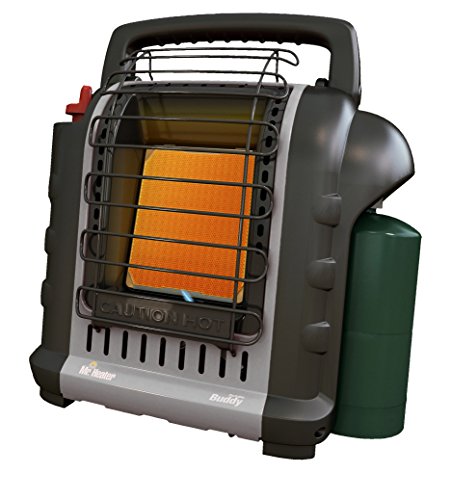
The Mr. Heater MH9BXRV is a propane-fueled radiant heater specifically designed for RV use. Rated for spaces up to 225 sq ft, it provides 4,000–9,000 BTU output and is approved for indoor/outdoor use with safety systems tailored to mobile environments.
Key safety features include auto shut-off on tip-over, pilot outage protection, and a low oxygen sensor that shuts the unit off if air quality drops. Because it uses combustion, it requires carbon monoxide and propane detector consideration and appropriate ventilation practices in RVs.
Buying Guide: How To Choose An RV Heater
Selecting the right heater for an RV depends on several practical factors. Below are the most important considerations to compare across products.
Power Source And Availability
- Electric (Oil-Filled Radiators): Require shore power, inverter, or generator. Check your RV’s electrical panel and inverter capacity—1500W heaters draw substantial current (about 12–13 amps at 120V).
- Propane Or Diesel Heaters: Use onboard fuel and often operate independently of electrical shore power. They are efficient for off-grid heating but produce combustion byproducts requiring ventilation and detectors.
Safety Features
- Tip-Over And Overheat Protection: Essential for mobile spaces where bumps can occur.
- Low Oxygen / CO Sensors: Critical when using combustion heaters inside enclosed spaces.
- Surface Temperatures: Look for low surface design or guards to reduce burn risk in tight quarters.
Heat Output And Coverage
- Match output to cabin size. Electric oil radiators list wattage (e.g., 1200–1500W); propane/heater list BTU. Estimate roughly 10–20 BTU per square foot for basic heating needs, adjusted by insulation.
- Consider insulation level and climate; poorly insulated RVs will require more powerful solutions.
Energy Efficiency And Runtime
- Oil-filled radiators retain and radiate heat after shutoff, reducing runtime.
- Combustion heaters (propane/diesel) use fuel continuously but can be more energy-dense and suitable for extended off-grid use.
Noise And Comfort
- Oil-filled radiators are typically quiet, suitable for sleeping areas.
- Some forced-air or diesel heaters introduce fan noise; consider placement and noise tolerance.
Size, Portability, And Mounting
- Portable oil radiators often include casters and handles for repositioning.
- Permanent installations (diesel or hardwired units) may require mounting and professional installation.
Installation, Ventilation, And Regulatory Considerations
- Electric oil-filled heaters are plug-and-play but confirm available electrical capacity.
- Propane/diesel heaters may need venting or specific clearances; follow manufacturer instructions and RV building codes.
- Always use functioning carbon monoxide and propane detectors when operating combustion heaters inside an RV.
Control Features And Usability
- Thermostats, timers, remote controls, and digital displays allow finer control and reduce unnecessary run times.
- Look for programmable timers and accurate thermostats to maintain comfort without excessive energy use.
Compare products by how they align with your RV’s power setup, space, ventilation options, and whether you prefer silent electric warmth or fuel-based off-grid capability. Prioritize safety systems appropriate to the heater type and the confined nature of RV interiors.
Tips for Getting the Best HVAC Prices
- Prioritize Quality Over Cost
The most critical factor in any HVAC project is the quality of the installation. Don’t compromise on contractor expertise just to save money. - Check for Rebates
Always research current rebates and incentives — they can significantly reduce your overall cost. - Compare Multiple Quotes
Request at least three estimates before making your choice. You can click here to get three free quotes from local professionals. These quotes include available rebates and tax credits and automatically exclude unqualified contractors. - Negotiate Smartly
Once you've chosen a contractor, use the proven strategies from our guide — How Homeowners Can Negotiate with HVAC Dealers — to get the best possible final price.