
Looking For Reliable, Time-Tested Kerosene Heaters For Indoor Use, Garages, Or Emergency Heat? This Guide Compares Popular Models That Match The Classic “Old” Kerosene Heater Purpose—portable, non-electric, and fuel-efficient. Below Is A Quick Comparison Table Of Selected Models Followed By Detailed Product Sections And A Buying Guide.
| Product | Type | BTU / Capacity | Key Feature |
|---|---|---|---|
| Klean-Strip Klean Heat Kerosene Alternative (Fuel) | Fuel | 1 Gallon | Odorless Fuel For Heaters, Lamps, Stoves |
| Dyna-Glo WK24BK Indoor Kerosene Convection Heater | Convection Kerosene Heater | ~23,000 BTU | No Electricity Needed, Heats Up To 1,000 Sq. Ft. |
| Sengoku HeatMate Portable Kerosene Heater HMC-23K | Portable Kerosene Radiant/Convection | 23,500 BTU, 1.9 Gal Tank | Cordless, Up To 12 Hours Runtime, Safety Shutoffs |
| Sengoku Portable Indoor Kerosene Heater (KeroHeat) | Portable Kerosene Heater | 23,500 BTU, 1.9 Gal Tank | Push-To-Start, Automatic Safety Fuel Shut-Off |
| Dura Heat DH1051 Indoor Kerosene Heater | Compact Kerosene Radiant Heater | 10,500 BTU, 1.1 Gal Tank | 360-Degree Heating, Up To 15 Hours Runtime |
Content Navigation
- Klean-Strip® Klean Heat® Kerosene Alt., 1 Gallon
- Dyna-Glo WK24BK 23,800 BTU Indoor Kerosene Convection Heater
- Sengoku Indoor & Outdoor Portable Kerosene Heater HeatMate
- Sengoku Portable Indoor Kerosene Heater, 23,500 BTU
- Dura Heat DH1051 Indoor Kerosene Heater – 10,500 Btu’s
- 2 In 1 Kerosene Heater Stove Non-Electric Portable Heater
- Buying Guide: Choosing The Right Kerosene Heater
Klean-Strip® Klean Heat® Kerosene Alt., 1 Gallon

This Product Is A kerosene alternative fuel Designed For Use In Heaters, Lamps, And Stoves. It Is Marketed As odorless With No Detectable Odor Before, During, Or After Burning, Which Is A Common Priority For Indoor Kerosene Heater Users.
- Intended Use: Heater, lamp, stove fuel.
- Odor Profile: Described As odorless—helps reduce indoor fumes associated with traditional kerosene.
- Container Size: 1 Gallon—easy storage for emergency or seasonal use.
For Owners Of Older Kerosene Heaters, Fuel Quality Affects Soot, Smell, And Burner Performance. An odorless, cleaner-burning fuel Can Reduce Maintenance And Improve Indoor Comfort. Follow Manufacturer Fuel Recommendations For Your Specific Heater Model.
Dyna-Glo WK24BK 23,800 BTU Indoor Kerosene Convection Heater
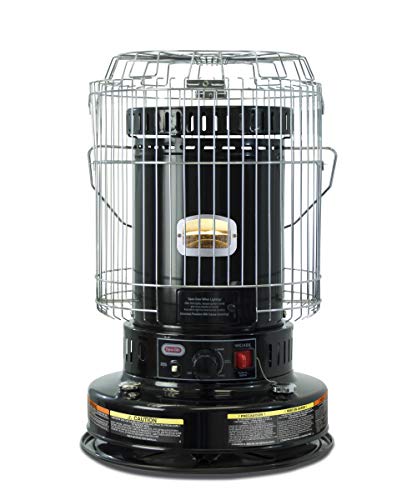
The Dyna-Glo WK24BK Is A High-BTU Convection Kerosene Heater Designed To Provide Warmth Without Electricity. Its Stated Output Covers Large Rooms And Is Typical Of Classic Portable Kerosene Convection Units.
Call 888-896-7031 for Free Local HVAC Quotes – Compare and Save Today!
- Heat Output: Approximately 23,000–23,800 BTU/hour.
- Coverage: Advertised To Heat Up To 1,000 Square Feet.
- Power Source: No Electricity Needed—suitable For Power Outages And Remote Spaces.
Convection Heaters Rely On Circulating Warm Air; They Tend To Heat Volume Rather Than Objects Directly. The Dyna-Glo Is Suited For Garages, Large Basements, Or Homes Where Central Heat Is Not Available. Confirm Ventilation And Fuel Guidelines For Safe Indoor Operation.
Sengoku Indoor & Outdoor Portable Kerosene Heater HeatMate
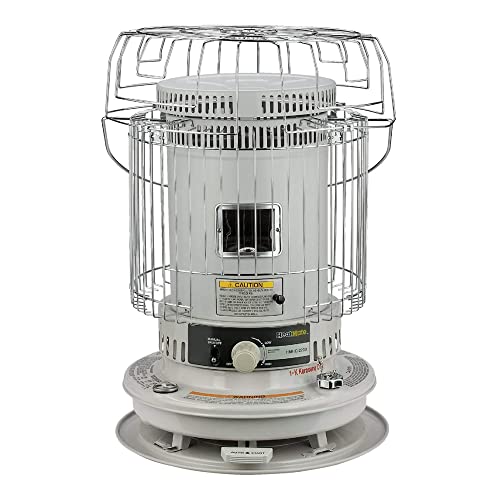
The Sengoku HeatMate HMC-23K Is A Widely Recognized Portable Kerosene Heater That Combines Portability With A Large Fuel Reservoir. It Offers The Classic Features Users Expect From Older Style Heaters—cordless operation, long runtime, And Simple Controls.
- BTU And Capacity: 23,500 BTU Output With A 1.9-Gallon Tank.
- Runtime: Up To 12 Hours On A Single Fill—useful For Extended Outages.
- Safety: Automatic Shutoff, Tip-Over Switch, Protective Guard Grills.
The HMC-23K Is Built For Indoor And Outdoor Use. Its Combination Of Cordless Design And Safety Cutoffs Makes It A Typical Example Of A Reliable “Old School” Kerosene Heater Updated With Modern Safety Features. Regular Maintenance Of The Wick And Fuel System Is Important For Longevity.
Sengoku Portable Indoor Kerosene Heater, 23,500 BTU

This Sengoku Model Shares Many Specifications With The HeatMate Variant And Emphasizes Ease Of Use During Power Outages. It Includes Automatic Safety Fuel Shut-Off And A Push-To-Start Button, Which Simplifies Ignition When You Need Heat Quickly.
Call 888-896-7031 for Free Local HVAC Quotes – Compare and Save Today!
- Heating Capacity: 23,500 BTU, Suitable For Areas Up To ~900 Sq. Ft.
- Tank And Accessories: 1.9-Gallon Reservoir, Includes Siphon Pump And 2 D Batteries.
- Startup: Push-To-Start Ignition—no matches or external electricity required.
This Unit Is Useful For Users Who Want The Classic Kerosene Heater Experience With Simplified Lighting And Safety Features. The automatic shut-off On Fuel Irregularities And Push-Start Design Help Reduce User Error When Lighting The Heater Under Stressful Conditions.
Dura Heat DH1051 Indoor Kerosene Heater – 10,500 Btu’s

The Dura Heat DH1051 Is A Smaller-Capacity Kerosene Heater That Reflects The Simpler Design Of Traditional Models. It Is Intended For Medium Rooms And Offers A Balance Between Runtime And Heat Output.
- BTU Output: 10,500 BTU—appropriate For Smaller Rooms.
- Runtime: Up To 15 Hours On 1.1 Gallons Of Fuel.
- Coverage: 360-Degree Heating For Even Warmth Distribution.
Because It Uses Less Fuel Per Hour Than High-BTU Models, The DH1051 Can Be More Efficient For Smaller Spaces. Its 360-degree heat pattern Makes It Suitable For Central Placement In A Room To Maximize Comfort Without Oversizing The Heater.
2 In 1 Kerosene Heater Stove Non-Electric Portable Heater

This 2-In-1 Model Combines Portability With A Radiant Kerosene Design. It Emphasizes Compact Size, Adjustable Height, And A Large Fuel Tank For Long Runtime. The Grill-Enclosed Flame Area Reflects Classic Heater Styling With Modern Safety Additions.
- Heat Output: Up To 9,000 BTU—suitable For Small Rooms And Personal Heating.
- Tank Capacity: 1.22 Gallons—Provides Long Runtime (15–17 Hours Stated).
- Design: Carry Handle, Height Adjustable, External Mesh Guard For Safety.
The Unit Is Targeted At Users Who Need A Lightweight, Multipurpose Heater For Camping, Garages, Or Emergency Use. Its Lower BTU Output Makes It Less Suitable For Large Rooms But Effective For Focused Or Portable Heating Needs.
Buying Guide: Choosing The Right Kerosene Heater
Selecting The Best Kerosene Heater For Your Needs Requires Evaluating Safety, Heat Needs, Fuel, And Maintenance. Below Are Key Considerations To Compare Across Models.
Heat Output And Coverage
BTU Rating Indicates How Much Heat A Heater Produces. Higher BTU Models (20,000+ BTU) Heat Larger Spaces—Garages, Basements, Or Open Areas. Lower BTU Units (Under 10,000 BTU) Work Best For Personal Or Small Room Use. Match BTU To The Square Footage And Insulation Level Of Your Space.
Fuel Type And Quality
Use The Fuel Recommended By The Heater Manufacturer. Some Units Work With Standard Kerosene, Others Recommend Specific Formulations Or Alternatives Advertised As odorless. Cleaner Fuel Improves Burner Performance, Reduces Soot, And Lowers Indoor Odors.
Runtime And Tank Capacity
Tank Size Determines How Long A Heater Will Run Between Refills. Larger Tanks Offer Extended Runtime But Increase Weight. Consider How Long You Need Unattended Heat During Power Outages Or Overnight Use.
Ignition And Power Independence
Many Classic Kerosene Heaters Offer Push-To-Start Or Manual Ignition, Allowing Operation During Outages. If You Need Full Independence From Electricity, Confirm The Heater’s Ignition Method And Whether Batteries Are Required.
Safety Features
Look For Tip-Over Protection, Automatic Shutoff If Overheated, And Protective Guards. Proper Ventilation Is Crucial For Indoor Operation—some heaters are labeled for indoor use only when ventilation guidelines are followed. Verify Certifications, Safety Switches, And Instructions For Safe Indoor Operation.
Maintenance And Replacement Parts
Older Style Heaters Require Wick Replacement, Cleaning, And Periodic Servicing. Choose Models With Readily Available Wicks, Filters, And Manufacturer Support. Regular Maintenance Extends Heater Life And Preserves Efficiency.
Size, Portability, And Intended Use
Decide Between Portable Models For Camping/Worksites And Larger Convection Units For Whole-Room Heating. Portability Features Include Carry Handles, Compact Dimensions, And Lower Weight.
Noise And Heat Type
Convection Heaters Move Air Quietly And Warm Room Volume. Radiant Heaters Deliver Direct, Immediate Warmth To Objects And People; They Often Seem Warmer At Lower BTU Ratings For Close-Proximity Use.
Ventilation And Indoor Air Quality
Proper Venting And Occasional Fresh Air Exchange Are Important When Burning Kerosene Indoors. Even Low-Odor Fuels Produce Combustion Byproducts. Follow Manufacturer Ventilation Recommendations And Consider Carbon Monoxide Monitors When Operating Indoors.
Comparison Perspectives
- Emergency Use: Choose Cordless Ignition, Large Tank, And Clear Safety Features (Examples: Sengoku HMC-23K).
- Large Space Heating: Prefer Higher BTU Convection Units That Move Air Efficiently (Examples: Dyna-Glo WK24BK).
- Small Room Or Personal Heat: Opt For Compact Radiant Units With Long Runtime (Examples: 2-In-1 Kerosene Heater, Dura Heat DH1051).
- Fuel Considerations: Use Cleaner Or Odorless Alternatives For Indoor Comfort (Example: Klean-Strip Klean Heat Fuel).
- Industrial Or Agricultural: Consider Forced-Air Or Diesel-Compatible Units (Not Covered In Main Picks).
When Evaluating “Old” Or Classic Kerosene Heaters, Balance The Desire For Simplicity With Modern Safety And Fuel Options. Proper Selection, Fuel Choice, And Maintenance Ensure Reliable Heat With Minimized Odor And Emissions.
Tips for Getting the Best HVAC Prices
- Prioritize Quality Over Cost
The most critical factor in any HVAC project is the quality of the installation. Don’t compromise on contractor expertise just to save money. - Check for Rebates
Always research current rebates and incentives — they can significantly reduce your overall cost. - Compare Multiple Quotes
Request at least three estimates before making your choice. You can click here to get three free quotes from local professionals. These quotes include available rebates and tax credits and automatically exclude unqualified contractors. - Negotiate Smartly
Once you've chosen a contractor, use the proven strategies from our guide — How Homeowners Can Negotiate with HVAC Dealers — to get the best possible final price.