
Choosing an outdoor electric heater can extend your patio season while avoiding propane and open flames. Below is a quick comparison of five reliable electric infrared heaters selected for performance, weather resistance, and safety features. Each product section includes the official Amazon link and image for easy reference.
| Product | Type / Form | Key Features |
|---|---|---|
| SereneLife Outdoor Electric Patio Heater | Standing / Tower | 1500W, remote, IP65 waterproof, aluminum reflector |
| DR Infrared Heater DR-238 | Wall/ceiling or freestanding | IP55 rated, 900–1500W, remote |
| VAGKRI 36″ 1500W Infrared Heater | Tower / Portable | 1500W, 3 heat levels, tip-over & overheat protection, IPX5 |
| VAGKRI 42″ 1500W Infrared Heater | Tall Tower | 1500W, 9 heat levels, 24H timer, 100° wide-angle |
| Paraheeter Electric Outdoor Heater | Mountable / Tripod | Wall/ceiling/tripod, carbon infrared, CSA certified |
Content Navigation
- SereneLife 1500W Outdoor Heater
- DR Infrared DR-238 Heater
- VAGKRI 36″ 1500W Infrared Heater
- VAGKRI 42″ 1500W Tower Heater
- Paraheeter Mountable Infrared Heater
- Buying Guide: How To Choose An Outdoor Electric Heater
- Heat Type: Infrared Vs. Convection
- Power And Coverage
- Mounting And Form Factor
- Weather Resistance And Ratings
- Safety Features
- Control Options And Convenience
- Energy Use And Operating Cost
- Installation And Maintenance
- Noise And Comfort
- Use Cases And Placement Tips
- Regulatory And Certification Considerations
- Comparison Perspectives
SereneLife 1500W Outdoor Heater

The SereneLife outdoor patio heater is built as a vertical standing unit using infrared heating elements to deliver targeted warmth. The listed features highlight three power settings and a remote control for convenient adjustment from a seated position.
Weather-protection is emphasized with an IP65 waterproof design and an aluminum reflector to direct heat. The product description notes quiet operation, making it suitable for patios and small outdoor dining areas where low noise is preferred.
Recommended for users who want plug-and-play electric warmth without gas, and who prioritize an upright tower style with flexible heat settings and remote convenience.
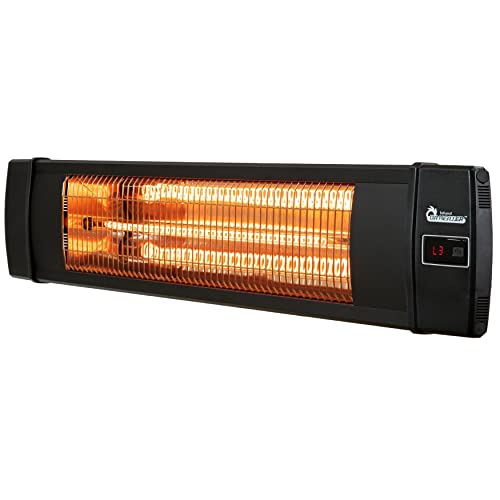
DR Infrared DR-238 Heater
Call 888-896-7031 for Free Local HVAC Quotes – Compare and Save Today!
The DR Infrared DR-238 is marketed for both indoor and outdoor use with an IP55 rating, indicating suitability for covered outdoor spaces. It offers three power settings (900W, 1200W, 1500W) and a remote for remote operation.
The unit provides instant, odorless infrared heat, which is useful where air movement or wind might reduce convection heating. The design supports applications from patios to commercial open-air restaurant areas.
This model is appropriate for users seeking a versatile heater for mixed indoor-outdoor scenarios with the simplicity of standard 120V operation.
VAGKRI 36″ 1500W Infrared Heater

The VAGKRI 36-inch tower heater lists 1500W power and three adjustable wattage settings (600W, 900W, 1500W). The product emphasizes 1-second rapid heating via infrared elements for immediate warmth.
Safety features include tip-over automatic shutoff and overheat protection, plus IPX5 waterproof rating and corrosion resistance for outdoor use. A carrying handle is listed for portability between locations.
Call 888-896-7031 for Free Local HVAC Quotes – Compare and Save Today!
This configuration suits users who want a compact, portable tower with basic multi-level power control and robust safety protections for family settings.
VAGKRI 42″ 1500W Tower Heater

The taller VAGKRI 42-inch model expands control with nine power settings from 620W to 1500W and includes a 24-hour timer. The listing highlights 1-second fast heating and a 100° wide-angle heating range for broader coverage.
This unit is designed for adjustable, targeted heating with fine-grained power control. The timer and multiple levels allow energy management and tailored comfort for different group sizes or wind conditions.
Choose this variant when you need more heating granularity and a wider effective coverage area from a freestanding tower form factor.
Paraheeter Mountable Infrared Heater

Paraheeter markets a versatile unit that can be wall-mounted, ceiling-mounted, or used on an adjustable tripod, offering flexibility for fixed installations or mobile setups. It emphasizes carbon infrared heating that warms objects rather than air.
Safety and installation aids are listed, including a safety grille, grounded plug, tip-over auto-shutoff when used on tripod, and an installation video/manual. The product carries a CSA certification and claims lower operating costs compared to propane heaters.
This heater is suited for those looking for a permanent or semi-permanent outdoor heating solution with multiple mounting options and a focus on efficient radiant heating.
Buying Guide: How To Choose An Outdoor Electric Heater
This buying guide outlines key considerations to match a heater to your space, use case, and safety needs.
Heat Type: Infrared Vs. Convection
Infrared (Radiant) Heating heats objects and people directly, producing a feeling similar to sunlight. It performs well outdoors and in windy conditions because it does not rely on warming large volumes of air.
Convection Heaters warm air and are less effective outdoors where air exchanges quickly. Choose convection only in well-sheltered or indoor transition areas.
Power And Coverage
Most listed models are 1500W. Coverage depends on heater design, mounting height, and wind. Use taller towers or multiple units for wider areas; a 1500W infrared unit often covers a focal zone of several feet radius but may not uniformly heat large patios.
Mounting And Form Factor
Consider freestanding towers for portability, wall/ceiling-mounted units for fixed installations that save floor space, or tripod/multi-mode heaters for flexible setups. Mounting affects effective heat spread and safety clearances.
Weather Resistance And Ratings
Look for IP ratings: IPX5/IP55/IP65 indicate various levels of water protection. Higher rating (IP65) offers stronger ingress protection for outdoor-exposed units. Confirm manufacturer guidance on exposure to rain and recommended placement (covered vs. open).
Safety Features
- Tip-Over Protection: Essential for freestanding units to cut power if knocked over.
- Overheat Cutoff: Prevents thermal runaway during prolonged use.
- Grounded Plugs & Grilles: Reduce electrical and contact risks.
Control Options And Convenience
Remote controls, timers, and multiple heat levels improve usability and energy efficiency. Fine-grained heat levels (e.g., 9 levels) allow more precise comfort and power management than basic 2–3 level units.
Energy Use And Operating Cost
Electric heaters convert nearly all input power into heat, but higher wattage increases electrical consumption. Use lower wattage settings and timers to reduce runtime and cost. Compare stated wattage ranges and available timers/thermostats for energy control.
Installation And Maintenance
Wall/ceiling units require secure mounting and sometimes professional installation depending on locale. Portable towers require clearance and stable bases. Maintain outdoor units by keeping elements clean, checking seals, and storing or covering when not in use for extended periods.
Noise And Comfort
Infrared heaters are typically silent because they lack fans, making them suitable for quiet outdoor dining or residential spaces. If noise is a concern, verify claims of quiet operation in product specifications.
Use Cases And Placement Tips
- Small Patio / Table Area: A compact tower positioned near seating provides focused warmth.
- Large Open Deck: Multiple units or a 100° wide-angle tower can provide more even coverage.
- Commercial/Restaurant: Use IP-rated units and consider hard-mounted heaters for stability and code compliance.
- Porch/Covered Patio: Wall- or ceiling-mounted carbon infrared options deliver efficient, unobstructed heat.
Regulatory And Certification Considerations
Look for recognized safety certifications such as ETL, CSA, or UL. These indicate independent testing against electrical and fire safety standards, which is especially important for permanently installed or high-use commercial applications.
Comparison Perspectives
Compare products across these axes: weather rating (IPX/IP), heat control granularity (levels/timer), portability vs installation, and included safety features. Match the strongest attributes to your intended use: portability and rapid heat for flexible spaces; mounting options and certifications for permanent setups.
Use the table and product sections above to shortlist models that align with your space, preferred mounting, and control needs. Consider pairing heaters with wind blocks or overhead covers to improve efficiency and comfort in exposed environments.
Tips for Getting the Best HVAC Prices
- Prioritize Quality Over Cost
The most critical factor in any HVAC project is the quality of the installation. Don’t compromise on contractor expertise just to save money. - Check for Rebates
Always research current rebates and incentives — they can significantly reduce your overall cost. - Compare Multiple Quotes
Request at least three estimates before making your choice. You can click here to get three free quotes from local professionals. These quotes include available rebates and tax credits and automatically exclude unqualified contractors. - Negotiate Smartly
Once you've chosen a contractor, use the proven strategies from our guide — How Homeowners Can Negotiate with HVAC Dealers — to get the best possible final price.