
Choosing the right outdoor radiant electric heater means balancing power, weather rating, mounting options, and safety features. The table below summarizes five well-reviewed electric patio heaters selected for reliable infrared heat, outdoor ratings, and versatile installation.
| Product | Brand | Key Features |
|---|---|---|
| Dr Infrared Heater DR-238 Carbon Infrared | DR. INFRARED HEATER | IP55 rating, 3 power settings (900/1200/1500W), remote |
| ThermoMate Outdoor Indoor Electric Patio Heater | thermomate | 1500W, IP55, 3s instant heat, timer, remote |
| Bromic Smart Heat Tungsten 6000W Radiant | Bromic Heating | High-output tungsten element, ceiling/wall mount, corrosion-resistant |
| Dimplex DLW Series Electric Patio Heater 2400W | DIMPLEX | IP55, slim profile, wall & ceiling mount, low-glare radiant heat |
| PowerScale Infrared Heater 24H Timer 1500W | PowerScale | IP65, 9 heat levels, memory function, 24-hour timer |
Content Navigation
- Dr Infrared Heater DR-238 Carbon Infrared Outdoor Heater
- ThermoMate Outdoor Indoor Electric Patio Heater 1500W Tower
- Bromic Heating Smart Heat Tungsten 6000W Radiant
- Dimplex DLW Series Electric Patio Heater 2400W
- PowerScale Infrared Heater 24H Timer 1500W Wall-Mount
- Buying Guide: How To Choose An Outdoor Radiant Electric Heater
- 1. Weather Rating And Durability
- 2. Heater Type And Element
- 3. Wattage And Coverage Area
- 4. Mounting Options And Placement
- 5. Safety Features
- 6. Controls And Convenience
- 7. Glare And Ambiance
- 8. Energy Efficiency And Operating Cost
- 9. Installation And Electrical Requirements
- 10. Coverage In Windy Conditions
- 11. Commercial Vs Residential Use
- 12. Maintenance And Lifespan
- 13. Comparative Perspectives
Dr Infrared Heater DR-238 Carbon Infrared Outdoor Heater
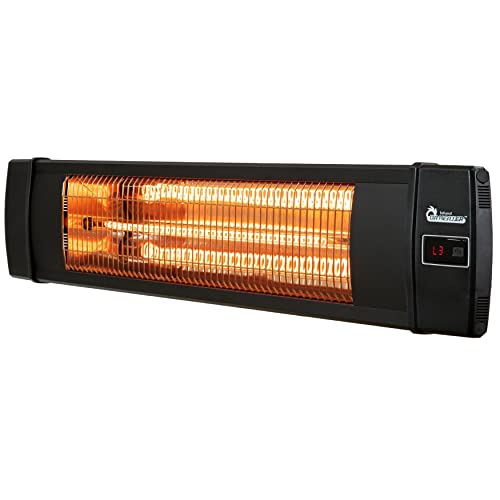
The DR-238 is an IP55-rated carbon infrared heater designed for both indoor and outdoor use. It offers three power settings (900W, 1200W, 1500W) and operates on standard 120V power. The unit produces clean, odorless infrared heat that warms objects and people directly rather than heating air.
Key practical aspects include a remote control for convenience and plug-and-play setup. The IP55 rating denotes protection against dust ingress and water jets, making it suitable for covered patios and open-air restaurant settings. The carbon infrared element provides steady radiant heat with minimal glare, which is useful for spaces where lighting or ambiance should be preserved.
ThermoMate Outdoor Indoor Electric Patio Heater 1500W Tower

ThermoMate’s 1500W tower-style heater emphasizes instant heat and weather protection with an IP55 rating. The carbon fiber heating element is designed to deliver warmth quickly with less visible glare, and the manufacturer highlights a 3-second warm-up time.
Call 888-896-7031 for Free Local HVAC Quotes – Compare and Save Today!
Safety features include ETL certification, tip-over auto shutoff, and overheat protection. Controls include a remote and a 24-hour timer, allowing scheduled operation. The aluminum housing supports outdoor durability, while the tower form factor is portable and useful for spaces where wall or ceiling installation is not practical.
Bromic Heating Smart Heat Tungsten 6000W Radiant

The Bromic Smart Heat Tungsten model represents a higher-output radiant solution with tungsten heating elements and 6000W capacity. It’s designed for commercial and large residential areas, offering broad coverage and strong radiant intensity.
Installation options include versatile wall or ceiling mounting, and the design includes frosted tubes for a softer glow to reduce glare. The build emphasizes corrosion resistance and the ability to perform in demanding outdoor restaurant or patio environments. Because of the high wattage, this model is typically chosen where substantial radiant output is required and where installation supports the electrical load.
Dimplex DLW Series Electric Patio Heater 2400W

The Dimplex DLW Series is a weatherproof radiant heater rated for indoor and outdoor use with an IP55 designation. Its slim profile makes it suitable for ceiling or wall mounting in patios, porches, and semi-exposed spaces.
Call 888-896-7031 for Free Local HVAC Quotes – Compare and Save Today!
It emphasizes localized, low-glare warmth and flexible installation. The 2400W output provides stronger coverage than many 1500W models while maintaining a compact footprint. The weatherproof construction and mounting versatility suit commercial and residential applications where a discreet, durable heater is preferred.
PowerScale Infrared Heater 24H Timer 1500W Wall-Mount

The PowerScale unit is a 1500W wall-mounted infrared heater featuring an IP65 rating, which provides a higher level of protection against dust and water spray than IP55. It offers 9 adjustable heat levels, a 24-hour timer, and a memory function that recalls the last settings.
Safety is addressed with ETL certification and built-in overheat and tip-over protections. The rapid heat-up time (listed as approximately 2.5 seconds) and multiple control options make it suitable for patio, restaurant, and garage settings where programmable operation and finer control over output are needed.
Buying Guide: How To Choose An Outdoor Radiant Electric Heater
Selecting the right infrared electric heater for outdoor use involves several technical and practical factors. Below are the core considerations to match a heater to your space and use case.
1. Weather Rating And Durability
IP ratings indicate protection against dust and water. IP55 is common for covered patios and sheltered outdoor areas. IP65 offers better protection against jets of water and heavier dust exposure. For exposed locations, choose a higher IP rating and corrosion-resistant materials.
2. Heater Type And Element
Carbon infraredTungsten
3. Wattage And Coverage Area
Heater wattage correlates with radiant intensity and approximate coverage. Common residential models are 1500W; mid-range commercial/residential units are 2400W–6000W. Estimate coverage by accounting for outdoor conditions—wind reduces effective range—so choose higher wattage for larger or wind-exposed spaces.
4. Mounting Options And Placement
Decide between wall-mounted, ceiling-mounted, free-standing/tower, or hanging
5. Safety Features
Look for ETL/UL certification
6. Controls And Convenience
Remote control, programmable timers, multiple heat levels, and memory functions increase convenience and energy efficiency. Timers allow pre-scheduled operation and reduce wasted energy when spaces are unused.
7. Glare And Ambiance
Some infrared heaters produce a visible glow (tungsten/halogen) which can affect night-time ambiance. Models with frosted tubes or carbon elements minimize glare and maintain lighting aesthetics while providing radiant warmth.
8. Energy Efficiency And Operating Cost
Electric radiant heaters convert most input energy into radiant heat toward objects and people. However, operating cost depends on wattage and usage duration. Lower-wattage units are cheaper to run but may need to operate closer to people or for longer periods. Consider timer and level controls to manage runtime and cost.
9. Installation And Electrical Requirements
Confirm available circuit capacity and outlet type. High-wattage models (2400W and above) may require dedicated circuits or specific voltage. Professional installation may be necessary for permanent ceiling or hardwired units. Check local codes and consult an electrician if unsure.
10. Coverage In Windy Conditions
Infrared heaters are more effective than convection heaters in windy conditions because they heat objects directly. Still, wind reduces effective range. For open areas, increase heater wattage, add windbreaks, or use multiple units spaced for overlapping coverage.
11. Commercial Vs Residential Use
Commercial settings often require higher IP ratings, durable finishes, and greater output for larger seating areas. Residential users may prioritize discreet design, low glare, and flexible mounting options. Verify product certifications for commercial usage if needed.
12. Maintenance And Lifespan
Check replaceable element options and maintenance needs. Carbon fiber and certain infrared tubes have varied lifespans; warranty length and part availability can indicate long-term serviceability. Regular cleaning of housing and protection from prolonged exposure extends life.
13. Comparative Perspectives
- Power vs. Portability: Tower models provide portability but often lower maximum output than hardwired ceiling units. Choose based on whether you need mobility or sustained high output.
- Glare vs. Intensity: Tungsten and halogen give strong heat and visible glow; carbon and frosted tubes give softer light. Align choice with desired ambiance.
- Cost vs. Coverage: Higher wattage increases coverage but also requires stronger electrical supply. Multiple lower-wattage units can provide distributed warmth with simpler electrical needs.
- Weatherproofing vs. Exposure: IP55 is sufficient for sheltered patios; exposed installations benefit from IP65 or dedicated outdoor-rated housings.
Use these criteria to compare models based on where you plan to install the heater, how many people you need to warm, and whether the installation is temporary or permanent. Prioritize safety certifications and appropriate IP ratings for long-term outdoor performance.
Tips for Getting the Best HVAC Prices
- Prioritize Quality Over Cost
The most critical factor in any HVAC project is the quality of the installation. Don’t compromise on contractor expertise just to save money. - Check for Rebates
Always research current rebates and incentives — they can significantly reduce your overall cost. - Compare Multiple Quotes
Request at least three estimates before making your choice. You can click here to get three free quotes from local professionals. These quotes include available rebates and tax credits and automatically exclude unqualified contractors. - Negotiate Smartly
Once you've chosen a contractor, use the proven strategies from our guide — How Homeowners Can Negotiate with HVAC Dealers — to get the best possible final price.