
Replacing or upgrading a patio heater reflector shield can improve warmth, reduce fuel use, and focus heat where you need it. Below is a quick comparison of top replacements that fit common propane patio heaters. Use the table to match features and pick the style that fits your heater and outdoor layout.
| Product | Material / Design | Key Feature |
|---|---|---|
| HQQ Outdoor Patio Heater Reflector Shield | Aluminum, 33″ Round, 3-Hole Mount | Large coverage, full replacement kit |
| EAST OAK Patio Heater Reflector Shield | 0.7mm Thickened Aluminum, Support Rod | Adjustable range, reinforced stability |
| Kisworm Patio Heater Reflector Shield | Aluminum, 33″ Round, Pre-Drilled | Universal fit, tool-free assembly |
| Top Hill Upgtaded Aluminum Reflector | Aluminum, 33″ Round, 3-Piece Panels | Easy assembly, corrosion resistant |
| Andwarmth Directional Heat Reflector | Adjustable / Foldable Aluminum | Directional focusing, foldable deflector |
Content Navigation
- HQQ Outdoor Patio Heater Reflector Shield
- EAST OAK Patio Heater Reflector Shield
- Kisworm Patio Heater Reflector Shield
- Top Hill Upgtaded Aluminum Reflector Shield
- Andwarmth Directional Heat Reflector
- Buying Guide For Patio Heater Reflector Shields
- 1. Compatibility And Mounting Pattern
- 2. Material And Durability
- 3. Reflective Performance And Coverage
- 4. Stability And Wind Resistance
- 5. Installation Complexity
- 6. Energy Efficiency And Fuel Savings
- 7. Shape And Aesthetic Fit
- 8. Safety Considerations
- 9. Maintenance And Weather Protection
- 10. Price Versus Longevity
- Comparison Perspectives
HQQ Outdoor Patio Heater Reflector Shield

This 33″ diameter round reflector is presented as a full replacement top for propane patio heaters. The product is made from high-grade aluminum aimed at rust resistance and long-term strength. The kit includes three outer plates, a center plate, screws, and nuts to complete the assembly.
Key installation details include three pre-drilled mounting holes spaced 6 7/8″ apart for attachment to the main burner screen. The manufacturer notes that some heater models may require additional drilling to align with different frames. The design emphasizes a large coverage area to improve thermal reflectivity and spread infrared heat outward and downward.
EAST OAK Patio Heater Reflector Shield

EAST OAK’s reflector emphasizes energy saving and adjustable range. It includes a support rod at the bottom of the shield to resist deformation from wind or manipulation, and the top is secured with stud locking for added stability.
Call 888-896-7031 for Free Local HVAC Quotes – Compare and Save Today!
Material thickness is highlighted: the shield uses 0.7mm thickened aluminum rather than thinner market alternatives. This makes the reflector more resistant to bending and corrosion. The adjustable range feature is designed to expand heating coverage or block heat from areas that don’t need it, increasing the directional heating capability for patios close to walls or vegetation.
Kisworm Patio Heater Reflector Shield

Kisworm supplies a 33-inch round reflector with pre-drilled three-hole spacing of 6 7/8″. The listing highlights a universal fit for most tall umbrella and mushroom-style propane heaters. The dome design aims to conserve propane by redirecting heat downward.
Assembly is characterized as largely tool-free, though some models may need additional drilling for exact alignment. The construction is aluminum, positioned as flame-resistant and rust-proof, providing protection for the heater head and extending equipment life against outdoor exposure.
Top Hill Upgtaded Aluminum Reflector Shield
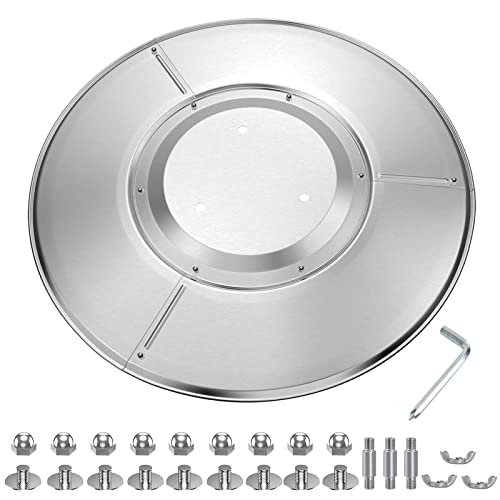
Top Hill’s upgraded reflector ships in a multi-panel format: three outer panels plus a center panel to create a stable dome. The material is aluminum and is described as anti-corrosion and resistant to oxidation for outdoor longevity.
Call 888-896-7031 for Free Local HVAC Quotes – Compare and Save Today!
Assembly instructions indicate a quick, tool-light process when following the required steps, with a reminder to remove the protective film before installation. The dome shape and multi-panel build aim to deliver even heat reflection and easy replacement of damaged panels if needed.
Andwarmth Directional Heat Reflector

Andwarmth focuses on directional heat conduction with an adjustable and foldable design to concentrate heat where required. The product is positioned for blocking heat transfer to undesired surfaces—walls, trees, or sensitive materials—while optimizing energy use.
The deflector is presented as energy saving by rerouting infrared heat and reducing wasted output. The foldable and adjustable nature allows partial coverage or targeted deflection, making it suitable for setups where you want to protect specific areas or direct warmth to seating zones.
Buying Guide For Patio Heater Reflector Shields
Selecting the right reflector shield involves matching physical fit, material properties, and the desired heat control behavior. Below are key considerations to help narrow choices.
1. Compatibility And Mounting Pattern
Measure your heater’s top mounting area before purchasing. Many replacement reflectors use a 3-hole mount with 6 7/8″ spacing and standard 33″ diameter domes, but models vary. Verify if your heater needs additional drilling or a unique pattern (square, 4-sided panels, or smaller heads).
2. Material And Durability
Aluminum is the most common reflector material for its lightweight, rust resistance, and reflective properties. Thickness matters: thicker gauges (e.g., 0.7mm) resist bending and weather damage better than thinner sheets. Look for anti-corrosion or stamped/forming construction for longevity.
3. Reflective Performance And Coverage
Reflector size and shape determine how heat is redirected. Larger domes provide broader coverage; directional attachments (foldable or adjustable) concentrate warmth. Consider whether you want wide-area warmth or focused directional heating for specific seating arrangements.
4. Stability And Wind Resistance
Outdoor conditions require durable fastening. Reinforced designs with support rods, stud locking, or multi-panel construction reduce deformation and movement. If your patio is exposed to wind, prioritize reflectors with support rods or locking mechanisms to prevent wobble or detachment.
5. Installation Complexity
Some reflectors advertise tool-free assembly, while others include screws, nuts, and center plates. Check whether the kit includes all hardware and if additional drilling is likely required. Removing protective films before installation is a common but important step.
6. Energy Efficiency And Fuel Savings
Reflectors that concentrate and direct heat can reduce propane consumption by reflecting more infrared energy toward people instead of letting it dissipate upward. Look for mentions of energy saving or heat-conserving dome shapes if fuel efficiency is a priority.
7. Shape And Aesthetic Fit
Round domes are standard, but square or multi-panel heads exist for different heater styles. Ensure the shape matches the visual and structural design of your heater and doesn’t obstruct regulator or vent components.
8. Safety Considerations
Confirm that the replacement reflector does not interfere with burner ventilation or the heater’s safety features. Reflectors should be securely mounted and not create heat accumulation near combustible materials. Directional shields intended to block heat from walls can help prevent heat damage.
9. Maintenance And Weather Protection
Aluminum reflectors resist rust, but regular cleaning and inspection for dents or loose fasteners will extend life. Some reflectors provide extra protection for the heater head from rain and debris, helping reduce maintenance for the heater itself.
10. Price Versus Longevity
While cost is a factor, consider trade-offs between thinner, lower-cost reflectors and thicker, reinforced units that may last longer and provide more stable performance in outdoor conditions.
Comparison Perspectives
Compare reflectors across the following perspectives to make a balanced choice:
Tips for Getting the Best HVAC Prices
- Prioritize Quality Over Cost
The most critical factor in any HVAC project is the quality of the installation. Don’t compromise on contractor expertise just to save money. - Check for Rebates
Always research current rebates and incentives — they can significantly reduce your overall cost. - Compare Multiple Quotes
Request at least three estimates before making your choice. You can click here to get three free quotes from local professionals. These quotes include available rebates and tax credits and automatically exclude unqualified contractors. - Negotiate Smartly
Once you've chosen a contractor, use the proven strategies from our guide — How Homeowners Can Negotiate with HVAC Dealers — to get the best possible final price.
- Fit Perspective: Match bolt pattern and diameter; 3-hole 33″ is common but verify before purchase.
- Performance Perspective: Thicker aluminum and dome coverage increase reflected heat; directional deflectors allow targeted warmth.
- Durability Perspective: Support rods, stud locks, and multi-panel assemblies resist wind and deformation.
- Installation Perspective: Tool-free or simple screw assemblies reduce installation time; some units may require drilling.
- Safety Perspective: Ensure no obstruction to ventilation and maintain safe clearances from combustibles.