
Finding the best personal outdoor heater means weighing warmth, safety, portability, and fuel type. Below is a concise comparison of selected heaters that suit patios, decks, garages, and small outdoor seating areas.
| Product | Type | Primary Strength |
|---|---|---|
| Gardtech Outdoor Heater for Patio | Electric PTC Ceramic | Fast PTC heat, tip-over safety |
| Mr. Heater Portable Buddy MH9BX | Propane Radiant | Portable high-BTU radiant heat, indoor-safe design |
| Riseon 1500W Electric Patio Heater | Electric PTC Ceramic | Remote thermostat, multiple modes |
| EAST OAK 50,000 BTU Patio Heater | Propane Standing Patio | High-output coverage for larger outdoor areas |
| Dr Infrared Heater DR-238 | Electric Carbon Infrared | IP55-rated for indoor/outdoor use, three power settings |
Content Navigation
Gardtech Outdoor Heater For Patio

The Gardtech unit is a 1500W PTC ceramic electric heater that emphasizes rapid warm-up and safety. Its PTC element claims 3-second rapid heating and a high-speed fan for quicker heat distribution, designed for small areas up to about 20 square feet. The heater operates on standard 110V household power.
Key safety features include an upgraded anti-tipping switch that disables the unit if tipped and built-in overheat protection. The product description also highlights improved thermal efficiency—about 30% higher versus comparable units—intended to provide effective warmth while controlling energy use.
Best Suited For: Users wanting a compact plug-in heater for a covered patio, small garage, or workbench where instant localized heat and tip-over protection are priorities.
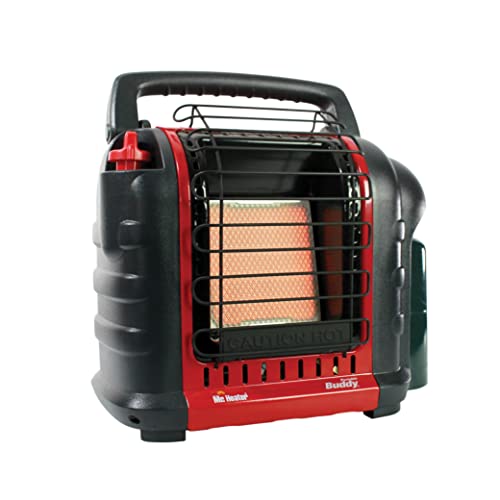
Mr. Heater Portable Buddy MH9BX
Call 888-896-7031 for Free Local HVAC Quotes – Compare and Save Today!
The Mr. Heater Portable Buddy is a propane radiant heater offering adjustable output from 4,000 to 9,000 BTU, designed for portability and direct radiant warmth. Its infrared-style radiant output heats people and objects quickly, making it suitable for campsites, patios, workshops, and job sites.
Safety features include an enhanced tip-over switch and a reliable Piezo igniter for matchless ignition. The manufacturer rates this heater for use in spaces up to approximately 225 sq. ft., depending on ambient conditions and sheltering. Because it uses LP gas, ventilation and proper outdoor or indoor-safe usage per instructions are essential.
Best Suited For: Portable users who prioritize immediate radiant warmth without electric power, in ventilated outdoor seating areas, garages with adequate ventilation, or temporary setups where mobility is needed.
Riseon 1500W Electric Patio Heater

Riseon’s electric patio heater is a 1500W PTC ceramic model with a remote and touchscreen controls. It provides three modes (ECO/Low/Middle/High) and a programmable thermostat range that cycles heating automatically between setpoints to maintain target temperatures efficiently.
Safety certifications and features include ETL approval, overheat protection, child lock, and anti-tip bracing. The remote control and digital thermostat enable hands-free adjustments—useful for fixed patio setups, tents, or greenhouse applications where consistent temperature control matters.
Call 888-896-7031 for Free Local HVAC Quotes – Compare and Save Today!
Best Suited For: Users seeking a feature-rich electric option with remote control and automated temperature cycling for semi-enclosed patios, screened porches, or small greenhouse spaces.
EAST OAK 50,000 BTU Patio Heater

The EAST OAK standing patio heater is a high-output 50,000 BTU propane unit with a broad coverage radius—manufacturer claims up to a 20-foot diameter. Its double-layer 304 stainless steel burner and reflector design aim for durability and improved heat distribution for larger outdoor spaces.
This model is targeted at outdoor entertaining areas and commercial patios that need a centralized, consistent heat source. Assembly is required, and built-in wheels facilitate relocation. The double-layer mesh and ETL certifications focus on long-term durability and operational safety.
Best Suited For: Homeowners or small businesses with larger outdoor dining or lounge areas who need powerful, centralized radiant heat from a standing propane heater.
Dr Infrared Heater DR-238 Carbon Infrared
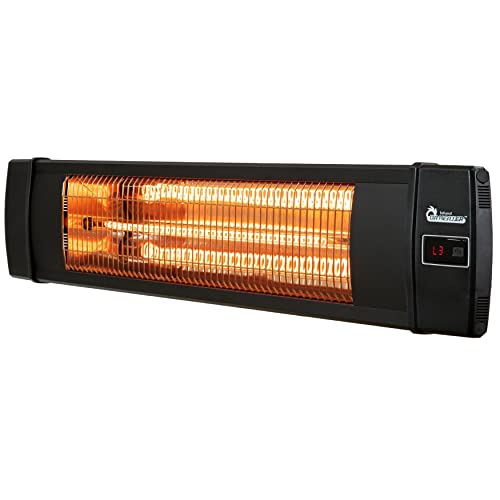
The Dr Infrared DR-238 is a carbon infrared heater rated IP55 for indoor and outdoor use. It offers three power settings—900W, 1200W, and 1500W—allowing users to scale output to match conditions. The infrared method provides clean, odorless heat and works via 120V plug-and-play operation.
IP55 rating indicates protection against dust ingress and water jets from any direction, making this unit more resilient in semi-exposed patios, covered decks, and outdoor dining areas. A remote control simplifies operation, and multiple wattage settings help balance comfort with energy use.
Best Suited For: Users who want a weather-resistant electric infrared solution for covered outdoor spaces where durability and multi-level power control are important.
Buying Guide: How To Choose A Personal Outdoor Heater
Selecting the right outdoor heater depends on several factors including space size, fuel type, portability, safety, and intended usage conditions. Below are the primary considerations and comparative perspectives to guide your purchase.
1. Heat Output And Coverage
Heat output can be expressed in watts (electric) or BTU (gas/propane). For small personal zones or a single chair, 900–1500W electric heaters or 4,000–9,000 BTU propane radiant units are typically sufficient. For larger, communal outdoor areas consider standing patio heaters rated tens of thousands of BTU.
2. Fuel Type: Electric vs Propane
- Electric (PTC/Ceramic or Infrared Carbon): Simple plug-in setup, cleaner operation, better for covered patios or areas with accessible outlets. Often includes thermostats, remote controls, and safety certifications. Less effective in open, windy spaces.
- Propane (Radiant or Standing): Excellent for open-air areas and fast radiant warmth that heats people and objects directly. Requires fuel supply and ventilation; portable models are convenient but require safe handling and storage of cylinders.
3. Portability And Installation
Consider whether you need a lightweight, shelf/desk unit or a freestanding heater with wheels. Portable propane units and compact electric PTC heaters offer mobility for temporary setups. Large standing patio heaters are heavier and often intended for semi-permanent placement.
4. Safety Features
Look for tip-over protection, overheat shutoff, and ETL/UL certifications. For propane units, verify reliable ignition systems and tip-over switches. IP ratings (e.g., IP55) indicate water/dust resistance for outdoor exposure—important in partially open patios.
5. Controls, Thermostat And Efficiency
Digital thermostats and remote controls allow consistent comfort and energy saving. PTC and infrared technologies vary in efficiency: PTC ceramic heats air quickly while infrared warms objects directly. ECO modes and programmable thermostats help lower running costs.
6. Noise, Fan Use, And Comfort Type
Fan-assisted electric heaters circulate warm air but can produce noise; infrared and radiant propane units are typically quieter. Choose fan-based units for quicker air circulation and infrared/radiant for targeted warmth that feels more natural.
7. Weather Exposure And Durability
Decide whether the heater will be exposed to elements. IP ratings and stainless steel construction are beneficial for corrosion resistance. Covered patios tolerate standard electric plugs, while open decks often rely on propane radiant units for effective warmth in breezy conditions.
8. Maintenance And Lifespan
Electric heaters generally require less maintenance—cleaning dust and ensuring electrical connections. Propane heaters require periodic inspection of hoses, valves, and burner assemblies. Stainless steel and double-layer mesh designs may extend burner life for standing units.
9. Safety For Pets And Children
Choose models with tip-over switches, cool-touch housings, or protective grills when pets or kids are present. Consider models that offer child locks and automatic shutoff features to reduce accident risk.
10. Use Case Scenarios
- Single Seat On A Covered Patio: Electric PTC heater with thermostat or small infrared panel.
- Portable Outdoor Seating (no power): Propane portable radiant heater for direct warmth.
- Large Entertaining Area: Standing high-BTU patio heater for broader coverage.
- Semi-Exposed Deck With Occasional Rain: IP-rated infrared electric heater or sheltered propane unit following safety guidance.
Comparison Perspective: If portability and non-electric operation are primary, choose a propane radiant model like the Mr. Heater. If you need quiet, controllable, plug-and-play convenience with safety certifications for a semi-enclosed area, consider electric PTC or carbon infrared models like Gardtech, Riseon, or Dr Infrared. For larger decks or commercial patios where wide coverage is required, a standing high-BTU unit such as EAST OAK is more appropriate.
Final Practical Tips: Always follow manufacturer installation and ventilation guidelines, position heaters away from flammable materials, and match heater type to the typical weather conditions and coverage needs of your space.
Tips for Getting the Best HVAC Prices
- Prioritize Quality Over Cost
The most critical factor in any HVAC project is the quality of the installation. Don’t compromise on contractor expertise just to save money. - Check for Rebates
Always research current rebates and incentives — they can significantly reduce your overall cost. - Compare Multiple Quotes
Request at least three estimates before making your choice. You can click here to get three free quotes from local professionals. These quotes include available rebates and tax credits and automatically exclude unqualified contractors. - Negotiate Smartly
Once you've chosen a contractor, use the proven strategies from our guide — How Homeowners Can Negotiate with HVAC Dealers — to get the best possible final price.