
Finding the right heater for a pop up camper involves balancing size, safety, and power source. This guide reviews five relevant Amazon products that address heating, insulation, and related needs for pop up campers. Each product summary highlights core features to help you choose the best solution for different camping styles and climates.
| Product | Type | Best For |
|---|---|---|
| Mr. Heater Portable Buddy Heater MH9BX | Propane Radiant Heater | Quick radiant heat for small campers |
| VEVOR 8KW Diesel Heater | Diesel Air Heater | Permanent install or frequent cold-weather use |
| Xtreme Heaters Boat, Cabin, & RV Heater | Electric/Portable Space Heater | Quiet low-profile electric supplemental heat |
| 1pc 40ft RV Roof Cover (Black) | Roof Cover / Insulation | Seasonal insulation and weather protection |
| Camco ULTRAGuard 12-14-Ft Pop-Up Camper/RV Cover | Breathable Protective Cover | Storage protection with breathable vents |
Content Navigation
Mr. Heater Portable Buddy Heater MH9BX
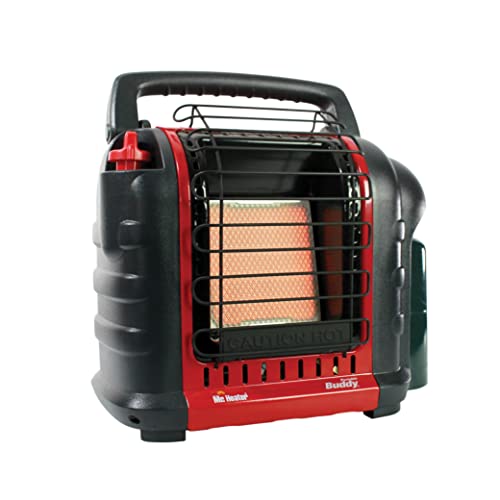
The Mr. Heater Portable Buddy is a small propane radiant heater rated from 4,000 to 9,000 BTU and covers up to 225 sq. ft. Its infrared style heats objects and people directly rather than just warming air, which is advantageous in draft-prone pop up campers.
Key features include improved tip-over safety, a reliable Piezo igniter for matchless starts, and adjustable heat settings so you can modulate output. The radiant design produces quick localized warmth, making it effective for short-term use while awake and present.
Safety considerations: the unit is designed for indoor-safe use but requires adequate ventilation for propane appliances and adherence to manufacturer instructions. Use carbon monoxide monitoring and never operate while sleeping unless explicitly permitted by the manufacturer and ventilation standards are met.
VEVOR 8KW Diesel Heater With App Control

Call 888-896-7031 for Free Local HVAC Quotes – Compare and Save Today!
The VEVOR 8KW Diesel Heater is a vehicle-style parking heater intended for camper vans and trailers. It heats air using a diesel burner and heat exchanger, suitable for areas up to ~215-269 sq. ft. The system is designed for more permanent or semi-permanent installation.
Highlighted features include automatic altitude compensation (up to 18,045 ft), Bluetooth app control for remote preheating, and multiple control options (app, remote, LCD). The heat exchanger design aims for rapid heat transfer and efficient operation.
Considerations for pop up campers: installation requires secure mounting, proper exhaust routing, and fuel supply integration. Diesel air heaters provide continuous warm air without open flames inside the cabin, reducing some combustion-related risks, but proper installation and ventilation remain critical.
Xtreme Heaters Boat, Cabin, & RV Heater

The Xtreme Heaters portable heater is built for enclosed, small spaces like boats, cabins, and RVs. It emphasizes quiet operation, a low profile that allows wall placement, and a tip-over switch for safety.
This heater pulls air from the top and pushes warm air out, which can be better for distributing heat in low-clearance areas of a pop up camper. The unit’s stable base and automatic shut-off on tipping are safety-focused features suitable for moving or jostled campers.
Call 888-896-7031 for Free Local HVAC Quotes – Compare and Save Today!
Electrical heaters require shore power or an inverter; verify your camper’s power capacity before relying on an electric unit for extended heating. Electric heaters produce no combustion by-products indoors, eliminating carbon monoxide risks but consuming battery or shore power.
40ft RV Roof Cover — Waterproof UV Resistant

While not a heater, a roof cover plays a significant role in maintaining interior temperature. This waterproof, UV-resistant roof cover for RVs and pop up campers reduces heat loss in winter and solar heat gain in summer.
Key features noted are UV protection, dustproofing, and insulation benefits during long-term parking or seasonal storage. A cover prevents moisture, ice buildup, and direct sun exposure that can increase interior temperature swings.
Using a breathable cover or combining a cover with a heat source can help reduce overall heating demand. Covers are especially useful during storage or overnight stops where ambient protection reduces the time and energy required for active heating.
Camco ULTRAGuard 12-14-Ft Pop-Up Camper Cover

The Camco ULTRAGuard cover is designed specifically for 12–14 ft pop-up campers and combines multi-layer spunbond polypropylene with a microporous breathable film on the top for weather protection while allowing venting.
Important features include covered air vents, cinching straps for fit, and a stored size that helps with organization. The breathable top minimizes trapped moisture, reducing condensation and mold risk while providing insulation value for stored or parked campers.
For heating strategies, a breathable cover helps maintain thermal balance during cooler weather and reduces heat loss overnight. Proper venting also ensures that passive heat sources do not cause moisture issues inside the camper.
Buying Guide: Choosing The Right Heating And Insulation For Pop Up Campers
Choosing a heating solution for a pop up camper involves evaluating heat source, safety, power availability, installation complexity, and insulation strategy. Below are key factors and comparison perspectives to guide decisions.
Tips for Getting the Best HVAC Prices
- Prioritize Quality Over Cost
The most critical factor in any HVAC project is the quality of the installation. Don’t compromise on contractor expertise just to save money. - Check for Rebates
Always research current rebates and incentives — they can significantly reduce your overall cost. - Compare Multiple Quotes
Request at least three estimates before making your choice. You can click here to get three free quotes from local professionals. These quotes include available rebates and tax credits and automatically exclude unqualified contractors. - Negotiate Smartly
Once you've chosen a contractor, use the proven strategies from our guide — How Homeowners Can Negotiate with HVAC Dealers — to get the best possible final price.
Heat Source Types
- Propane Radiant Heaters (e.g., Mr. Heater): Provide quick, direct warmth. Good for short-term use and where shore power is limited. Require ventilation and CO monitoring.
- Diesel Air Heaters (e.g., VEVOR): Offer continuous blown warm air, suitable for longer trips and colder climates. Typically require professional-style installation and a diesel fuel source.
- Electric Space Heaters (e.g., Xtreme Heaters): Clean combustion-free operation but depend on shore power or sufficient inverter capacity. Safer for indoor air quality but may be limited by available electricity.
- Passive Insulation Aids (covers, roof wraps): Not heaters, but reduce heat loss and lessen the energy required by an active heater.
Safety Considerations
- Ventilation And CO Detection: Any combustion heater (propane, diesel) must be used with adequate ventilation and a functional carbon monoxide alarm.
- Tip-Over And Overheat Protection: Look for built-in shutoffs, tip-over switches, and thermostatic control to prevent overheating.
- Installation Standards: Hardwired heaters or those requiring exhaust routing should follow manufacturer specs and local regulations; consider professional installation for diesel heaters.
Power And Fuel Logistics
- Propane Availability: Propane bottles are portable but have finite burn time; know your expected runtime and supply plan.
- Electrical Capacity: Check camper battery capacity, inverter ratings, and shore power capability before relying on electric heaters.
- Fuel Integration For Diesel: Diesel heaters draw from the vehicle or auxiliary tanks; ensure safe fuel plumbing and tank access.
Installation And Portability
- Portable Units: Propane and some electric heaters are portable and require minimal installation, ideal for occasional or temporary heating.
- Permanently Mounted Systems: Diesel and hard-mounted HVAC systems provide continuous comfort but require penetrating the camper shell for exhaust and intake, which affects resale and warranty considerations.
- Ease Of Use: Consider controls—manual knobs, thermostats, remote/phone app control—and how that integrates with nightly routines.
Coverage And BTU vs. Space
- BTU Ratings: Match BTU output to camper volume. Small pop up camper living areas typically require lower BTU ratings than full-size motorhomes.
- Radiant vs. Convection: Radiant heaters warm objects and people quickly; convection heaters warm air and can provide more even, whole-space comfort when circulated.
- Heat Distribution: Fans or blown-air systems improve circulation; radiant units may need strategic placement to warm occupants efficiently.
Insulation And Weatherproofing
- Covers And Roof Wraps: Use breathable covers for storage to reduce moisture and thermal cycling. Reflective or insulated covers reduce both heat gain and heat loss.
- Sealing Gaps: Check seams, vent seals, and corner caps for leaks. Small gaps can drastically increase heating needs.
- Emergency Repair Supplies: Keep waterproof repair tape and corner caps on hand to patch leaks that could undermine thermal retention.
Comparison Perspectives
- Short Overnight Stays: Portable propane radiant heaters provide rapid warmth for limited periods with lower setup time.
- Extended Cold-Weather Use: Diesel air heaters or permanently installed blown-air systems offer sustained comfort with efficient fuel use for prolonged trips.
- Power-Constrained Campsites: If shore power is unavailable, avoid high-wattage electric heaters unless you carry a reliable generator or large inverter bank.
- Storage And Seasonal Protection: Covers and roof wraps reduce the need for heating during mild temperature swings and protect structure during long-term storage.
Final Selection Checklist
- Confirm the heater type matches your available fuel/power sources.
- Verify safety features: CO alarm compatibility, tip-over protection, and overheat shutoff.
- Assess camper size and insulation to choose appropriate BTU or kW output.
- Consider installation complexity and whether professional help is appropriate.
- Plan for ventilation, exhaust routing, and maintenance access before purchase.