
Portable blower heaters vary by fuel type, airflow, safety features, and intended use. Below is a quick comparison of five relevant options selected for portability, airflow, and suitability for workshops, garages, bedrooms, or outdoor sheltered spaces.
| Product | Type | Key Strength |
|---|---|---|
| Dura Heat EUH1465 Electric Forced Air Heater | Electric Forced Air | Rugged Steel Build, Pivoting Base |
| NewAir NGH160GA00 Portable Garage Heater | Ceramic Electric Garage Heater | Cool-To-Touch Design, Adjustable Tilt |
| BLACK+DECKER Portable Space Heater | Compact Electric Space Heater | Lightweight For Room-To-Room Use |
| Dreo Space Heater With Thermostat | Digital PTC Ceramic Heater | Precise Digital Thermostat, Remote |
| Mr. Heater Portable Buddy Heater | Propane Radiant Heater | High BTU Output And Radiant Heat |
Content Navigation
Dura Heat EUH1465 Electric Forced Air Heater
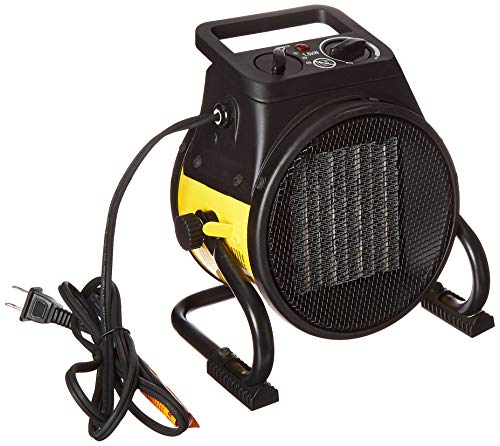
The Dura Heat EUH1465 Is A 1500W PTC Ceramic Forced Air Heater Designed For Quick Warm-Up In Small To Medium Workspaces. Its rugged steel construction is meant for garages, workshops, and commercial spaces where durability matters. The unit includes a pivoting base for directing airflow and offers both heat and fan-only modes for year-round utility.
Key technical and practical points include: powerful forced air to move warm air rapidly, a durable steel housing for jobsite resilience, and versatile heating options that let you run as either an electric heater or hot air circulator. Its form factor supports floor placement and aimed heating, which can improve perceived warmth compared with convective-only heaters. The build emphasizes industrial use but it is still a plug-in electric unit suitable for indoor, ventilated areas.
NewAir NGH160GA00 120V Electric Portable Garage Heater

The NewAir NGH160GA00 Is A Compact Garage Heater Built Around Safety And Portability. It Delivers Fast Heat Using A Ceramic Heating Plate Combined With A 200 CFM Fan To Circulate Warm Air Quickly. The Unit Features An Internal Thermostat, Automatic Shut-Off, And A Cool-To-The-Touch Exterior To Reduce Burn Risk.
Call 888-896-7031 for Free Local HVAC Quotes – Compare and Save Today!
This model emphasizes user-oriented safety and mobility: an adjustable thermostat, two heat modes, a tilting head for directional flow, and an easy carry handle. It’s positioned for garages and small workshop spaces where quick targeted heat is needed. The ceramic element supports rapid warm-up and reduced cold-start odor compared with some coil heaters. Consider ventilation and electrical capacity when placing in enclosed work areas.
BLACK+DECKER Portable Space Heater With Carry Handle

The BLACK+DECKER Portable Space Heater Is A Lightweight, Compact Option For Personal Zones And Small Rooms. Designed For Room-To-Room Transport, It Weighs Around 2.8 Lbs And Includes A Carry Handle For Mobility. The Unit Offers Low (750W), High (1500W), And Fan-Only Settings To Match Comfort And Energy Needs.
This model’s strengths are convenience and compactness, making it suitable for desks, bedrooms, dorms, or RV shelves. The adjustable thermostat and two heat settings let you scale output to match local comfort requirements. Because it’s electric and portable, it’s best used in small enclosed areas where quick localized warmth is desired. Evaluate thermostat responsiveness and noise levels if silent operation is important.
Dreo Space Heater With Thermostat And Remote

The Dreo Space Heater Uses A 1500W Advanced PTC System And A New Heat Funnel Design To Deliver Faster, Farther Reach Of Warm Air. It Includes A Digital Thermostat With Fine 1°F Increments, A 12-Hour Timer, Remote Control, And Several Safety Layers Like Tip-Over Detection, Overheat Protection, And Flame-Retardant Materials.
Call 888-896-7031 for Free Local HVAC Quotes – Compare and Save Today!
Features to note: ultra-precise temperature control spanning low to high comfort ranges, enhanced airflow design for improved distribution, and multiple safety certifications. The digital display and programmable timer make it well-suited for bedrooms and living spaces where scheduled operation and exact temperature control matter. Assess noise levels and width of heat distribution compared with forced-air garage-style units for intended placement.
Mr. Heater Portable Buddy Propane Heater
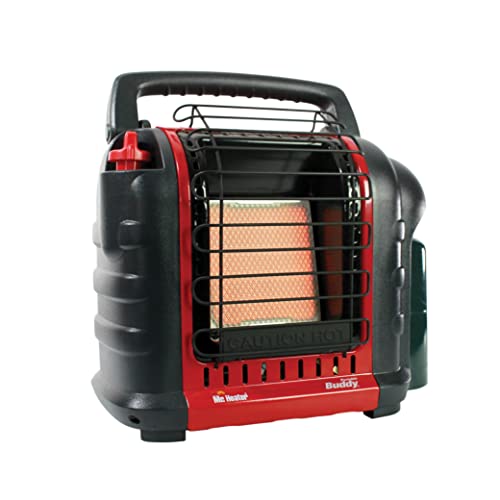
The Mr. Heater Portable Buddy Is A Propane-Powered Radiant Heater That Produces Between 4,000 And 9,000 BTUs Using Infrared Technology To Heat People And Objects Directly. It’s Marketed As Indoor-Safe For Well-Ventilated Spaces Like Campers, Job Sites, Patios, And Garages When Used With Proper Precautions.
Primary characteristics include radiant heat delivery that feels like sun-warmed surfaces, a piezo igniter for matchless start, and enhanced tip-over safety that audibly engages when disturbed. This unit provides higher output than typical 1500W electric heaters, making it suitable for larger or less-insulated areas. Users must follow ventilation and propane safety guidance; it’s not equivalent to sealed-combustion systems for poorly ventilated indoor use.
Buying Guide: How To Choose A Portable Blower Heater
Fuel Type And Heat Delivery
Consider whether you need electric forced-air, ceramic PTC, or propane radiant heat. Electric forced-air models move warm air quickly for spot heating. Ceramic PTC units offer rapid warm-up, stable thermostat control, and reduce cold-start odors. Propane radiant heaters provide higher BTU output and direct warmth to people and objects but require fuel and ventilation.
Airflow And Distribution
Blower-style heaters rely on fan CFM to move warmed air. For workshops and garages, higher airflow with a pivoting or tilting head improves coverage. For bedrooms or personal zones, quieter, lower-CFM units with focused distribution may be preferable.
Portability And Placement
Evaluate weight, handle design, mounting or base options, and whether the unit is intended for floor, wall, or tabletop use. Compact units like BLACK+DECKER are optimized for transport; industrial-style forced-air units prioritize stability and ruggedness.
Safety Features
Look For tip-over protection, overheat shutoff, cool-to-touch housings, and certifications (ETL/UL). Propane heaters should include oxygen depletion sensors or be used only where manufacturer guidance allows. For garages and workshops, rugged housings and protective grilles reduce damage risk.
Control And Precision
Digital thermostats, timers, and remote controls give finer temperature management and energy savings. If maintaining an exact temperature matters, choose models with precise thermostats and incremental control.
Noise And Comfort
Blower fans create measurable noise. For living areas or bedrooms, prioritize models with quieter fans or lower-speed operation. For workshops where ambient noise is tolerable, higher airflow may take precedence over quietness.
Power Requirements And Efficiency
Check electrical load if using 1500W heaters in circuits shared with other devices. Ceramics commonly use 1500W maximum; verify that the circuit can handle continuous draw. Propane units avoid electrical limits but require access to fuel and safe ventilation.
Coverage Area And Output
Match heater output to room size: small personal heaters for single-person zones, 1500W electrics for small rooms up to about 150–200 sq ft, and higher-BTU propane units for larger or poorly insulated spaces. Consider insulation and ceiling height when estimating required capacity.
Durability And Use Case
Choose a rugged steel-bodied forced-air heater for jobsite or garage conditions; opt for plastic-bodied, feature-rich digital heaters for indoor living spaces. Evaluate ingress protection if using in dusty or semi-outdoor environments.
Safety And Regulatory Considerations
Follow all manufacturer instructions for placement, clearance, and ventilation. For propane units, ensure proper leak checks, ventilation, and compliance with local codes. Electric heaters should be plugged directly into grounded outlets and not used with extension cords unless explicitly allowed.
Tips for Getting the Best HVAC Prices
- Prioritize Quality Over Cost
The most critical factor in any HVAC project is the quality of the installation. Don’t compromise on contractor expertise just to save money. - Check for Rebates
Always research current rebates and incentives — they can significantly reduce your overall cost. - Compare Multiple Quotes
Request at least three estimates before making your choice. You can click here to get three free quotes from local professionals. These quotes include available rebates and tax credits and automatically exclude unqualified contractors. - Negotiate Smartly
Once you've chosen a contractor, use the proven strategies from our guide — How Homeowners Can Negotiate with HVAC Dealers — to get the best possible final price.
Comparison Perspectives
- Durability vs. Mobility: Steel forced-air units offer durability but are heavier; compact plastic units offer portability at the cost of ruggedness.
- Heat Type vs. Coverage: Radiant propane heats bodies and surfaces effectively in open spaces; blower heaters move warm air faster for enclosed rooms.
- Control vs. Simplicity: Digital thermostats and timers offer precision and energy savings; simple two-setting heaters provide straightforward operation with fewer components to fail.
- Safety vs. Output: Higher-output heaters require increased safety measures and potentially ventilation; lower-output electric units are easier to deploy safely indoors.