
Keeping a boat cabin comfortable requires the right portable heater for the space, fuel type, and marine environment. Below is a concise comparison followed by focused product overviews and a practical buying guide to help you choose a portable boat heater that matches your boat size and safety needs.
| Product | Heating Type | Fuel / Power | Best For |
|---|---|---|---|
| Xtreme Heaters Boat, Cabin, & RV Heater | Electric Ceramic Space Heater | AC Power | Small cabins, plug-in shore power situations |
| Mr. Heater Portable Buddy Heater MH9BX | Infrared Radiant Propane Heater | 1 lb Propane Cylinder | Quick radiant warmth for small cabins and cockpits (with ventilation) |
| Heat Hog 18,000 BTU Portable Propane Radiant Space Heater | High-BTU Propane Radiative Heater | 1 lb Or 20 lb Propane | Larger cabins, quickly heating larger areas |
| VEVOR Diesel Air Heater 12V 5KW | Diesel Air Heater (All-in-One) | Diesel, 12V Power | Installed or semi-permanent boat heating without shore power |
| GASLAND BE158B 1.58GPM Portable Gas Water Heater | On-Demand Propane Water Heater | Propane (20 lb Tank) | Instant hot water onboard for showers and galley use |
Content Navigation
- Xtreme Heaters Boat, Cabin, & RV Heater
- Mr. Heater Portable Buddy Heater MH9BX 4,000-9,000 BTU
- Heat Hog 18,000 BTU Portable Propane Radiant Space Heater
- VEVOR Diesel Air Heater, 12V 5KW All-on-one Diesel Heater
- GASLAND BE158B 1.58GPM 6L Portable Gas Water Heater
- Buying Guide: Choosing A Portable Boat Heater
Xtreme Heaters Boat, Cabin, & RV Heater

This compact electric ceramic heater is designed for small enclosed spaces such as boat cabins, RVs, and cabins. It draws air from the top and can be positioned close to walls or on soft surfaces due to its design.
Key features include quiet operation, a low-profile stable base, and a built-in tip-over switch that automatically shuts the unit off if it falls. The unit is intended for plug-in use where shore power or generator power is available.
Practical for overnight stays at dock or situations with available AC power, the heater provides supplemental comfort without fuel storage. Consider vessel power availability and shore power safety before selecting an electric heater for marine use.
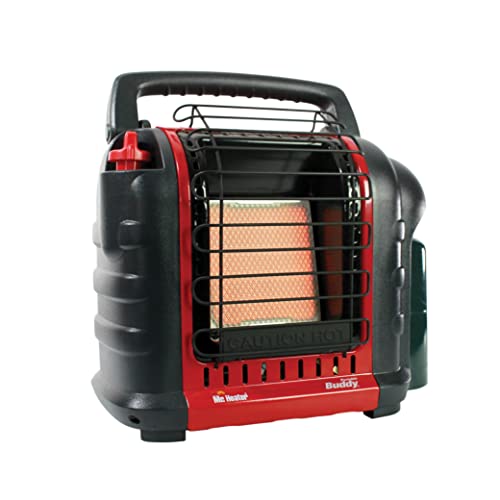
Mr. Heater Portable Buddy Heater MH9BX 4,000-9,000 BTU
Call 888-896-7031 for Free Local HVAC Quotes – Compare and Save Today!
The Mr. Heater Portable Buddy is an infrared radiant propane heater with adjustable BTU settings from 4,000 to 9,000 BTU. It provides direct, sun-like warmth to people and objects, which can feel more effective than convective heat in drafty cabins.
Safety enhancements include an improved tip-over safety switch and a durable Piezo igniter for matchless start-up. The unit is rated for up to approximately 225 sq. ft in ideal conditions, but actual coverage depends on insulation, ventilation, and cold intrusion.
Because it burns propane, boaters must account for ventilation, CO monitoring, and propane safety. It is often used for quick heating sessions or in well-vented covered cockpits; follow marine fuel and ventilation guidelines when using onboard.
Heat Hog 18,000 BTU Portable Propane Radiant Space Heater

The Heat Hog delivers up to 18,000 BTU of radiant heat and claims coverage up to 450 square feet, making it suitable for larger boat cabins or situations where faster heat is required.
It runs on a 1 lb LP cylinder or a 20 lb tank with an accessory hose and features a tiltable design with curved plaque technology for wider heat spread. The tiltable mechanism allows directional heating toward seating areas or bunks.
Call 888-896-7031 for Free Local HVAC Quotes – Compare and Save Today!
Higher BTU output increases the need for secure propane storage, leak checks, and adequate fresh air. On boats, consider dedicated propane lockers, approved fittings, and CO detection when operating high-output propane units.
VEVOR Diesel Air Heater, 12V 5KW All-on-one Diesel Heater

The VEVOR 5KW diesel air heater is an all-in-one portable heater that operates on diesel and 12V power. It is designed for rapid heating with a sandblasted aluminum heat exchanger and a claimed 10-minute warm-up.
Notable features include a 5L fuel tank, low energy consumption, and a remote control with LCD for remote temperature adjustment. It lists an applicable range suitable for medium-sized cabins and can preheat engines or prevent window freezing.
Diesel heaters are often chosen for boats with diesel fuel systems because they integrate with existing fuel supplies and avoid propane storage. Installation considerations include secure mounting, exhaust routing, ventilation, and adherence to marine exhaust and fuel safety standards.
GASLAND BE158B 1.58GPM 6L Portable Gas Water Heater

The GASLAND BE158B is an on-demand propane water heater providing up to 1.58 gallons per minute with electronic ignition. It is intended for instant hot water needs such as showers, galley use, and cleaning.
It runs on a 20 lb propane tank and includes multiple safety protections like over-heating, low water flow, dry combustion, anti-freezing, and flame failure devices. The unit is CSA certified for applicable safety standards.
Portable water heaters are a different class of boat heating: they supply hot water rather than heating air. For many boaters, pairing a cabin space heater with an on-demand water heater addresses both comfort and practical hot water needs onboard.
Buying Guide: Choosing A Portable Boat Heater
Selecting the right portable heater for a boat depends on cabin size, fuel availability, ventilation, intended use, and marine regulations. The following considerations offer multiple perspectives to compare options objectively.
Heating Type And Efficiency
- Electric Ceramic Heaters (e.g., Xtreme): Good for small cabins when shore power or generator power is readily available; quiet and low-maintenance but dependent on AC power.
- Propane Radiant Heaters (e.g., Mr. Heater, Heat Hog): Provide direct, fast warmth and work off portable cylinders; require strict ventilation and CO monitoring in enclosed spaces.
- Diesel Air Heaters (e.g., VEVOR): Integrate with diesel supply, operate off 12V, and are practical for longer off-grid cruises; require installation, exhaust routing, and electrical integration.
- On-Demand Water Heaters (e.g., GASLAND): Not cabin heaters but essential for hot water needs; consider if you need both air heat and hot water solutions.
Safety And Marine Compliance
- Ventilation and CO Detection: Any combustion heater mandates adequate ventilation and functional carbon monoxide detectors. Place detectors at sleeping height and test regularly.
- Fuel Storage And Fittings: Use marine-rated propane lockers, secure bulkheads for tanks, and certified fittings. Diesel heaters require proper fuel lines with clamps and flame/vent protections.
- Tip-Over And Flame Failure Protection: Look for devices with tip-over switches and flame failure devices to shut off fuel in unsafe conditions.
Power And Fuel Logistics
- Shore Power Availability: If you regularly have shore power, electric heaters can be simplest and safest for short-term comfort.
- Propane Cylinder Management: Portable propane heaters are convenient, but consider cylinder life, storage, and transport requirements.
- Diesel Integration: Diesel heaters are fuel-efficient for extended trips but may require professional installation for exhaust and mounting.
Heating Capacity And Space Coverage
- Match BTU output or wattage to cabin volume and insulation. Small ceramic heaters handle modest spaces; high-BTU propane units or diesel air heaters suit larger or poorly insulated cabins.
- Consider directional heating vs. whole-cabin heating. Radiant heaters warm objects and people directly; convective or forced-air systems circulate warm air more evenly.
Installation, Portability, And Use Cases
- Truly Portable: Plug-and-play electric and small propane buddy heaters are easy to move and store for seasonal use.
- Semi-Permanent Or Installed: Diesel air heaters and some larger propane systems may provide superior comfort but need installation space, exhaust routing, and mounting points.
- Multipurpose Needs: If you also need hot water, consider pairing an on-demand water heater with a cabin heater to cover both comfort and utility.
Noise, Comfort, And Controls
- Electric ceramic units are typically quieter; diesel air heaters can have low-level operational noise from blowers.
- Remote controls and thermostatic regulation improve convenience. Verify control ranges and how precisely temperature is managed.
Maintenance And Reliability
- Combustion heaters require periodic checks of burners, fuel lines, and vents. Replace seals and hoses as recommended.
- Electric heaters require minimal maintenance but should be inspected for cord damage, moisture ingress, and marine-corrosion risk.
Comparison Perspectives
- Best For Short Docked Use: Electric plug-in ceramic heaters provide quiet, immediate comfort when power is available.
- Best For Versatile Portable Heat: Propane radiant heaters balance portability and fast heat, suitable for trips with good ventilation practices.
- Best For Extended Off-Grid: Diesel air heaters offer continuous, fuel-efficient heat integrated with boat fuel systems.
- Best For Hot Water Needs: On-demand propane water heaters supply continuous hot water without storing large water tanks or electric heaters.
When choosing, prioritize marine-rated installation practices, ventilation, and carbon monoxide detection. Cross-check boat manufacturer guidelines and local regulations before installing or operating any combustion heater onboard.
Tips for Getting the Best HVAC Prices
- Prioritize Quality Over Cost
The most critical factor in any HVAC project is the quality of the installation. Don’t compromise on contractor expertise just to save money. - Check for Rebates
Always research current rebates and incentives — they can significantly reduce your overall cost. - Compare Multiple Quotes
Request at least three estimates before making your choice. You can click here to get three free quotes from local professionals. These quotes include available rebates and tax credits and automatically exclude unqualified contractors. - Negotiate Smartly
Once you've chosen a contractor, use the proven strategies from our guide — How Homeowners Can Negotiate with HVAC Dealers — to get the best possible final price.