
Portable catalytic heaters offer silent, fuel-efficient warmth without an open flame, ideal for RVs, tents, and small rooms. This guide compares top portable catalytic and closely related portable heaters to help you choose the right model for your needs.
| Product | Type | Key Feature |
|---|---|---|
| Camco Olympian Wave-3 | Catalytic | 1,600–3,000 BTU, silent catalytic heat |
| Camco 57341 Wave-6 | Catalytic | 3,200–6,000 BTU, heats up to 230 sq. ft. |
| Mr. Heater MH9BX | Radiant Propane | 4,000–9,000 BTU, outdoor/approved units |
| Mosoyolo Portable Propane Heater | Propane Portable | 6,500 BTU, electric igniter |
| Heater Dust Cover Replanement | Accessory | Protective dust cover compatible with Wave series |
Content Navigation
- Camco Olympian Wave-3 Portable Catalytic Heater
- Camco 57341 Olympian Wave-6 Catalytic Heater
- Mr. Heater MH9BX Portable Propane Heater
- Mosoyolo Portable Propane Heater Camping 6500 BTU
- Heater Dust Cover Replanement For Olympian Wave Heaters
- Buying Guide: How To Choose A Portable Catalytic Heater
- 1. Heater Type And Technology
- 2. BTU Output And Area Coverage
- 3. Fuel Type And Availability
- 4. Safety Features
- 5. Installation And Portability
- 6. Noise, Operation, And Maintenance
- 7. Environmental And Altitude Considerations
- 8. Accessories And Compatibility
- 9. Use-Case Comparisons
- 10. Final Selection Checklist
Camco Olympian Wave-3 Portable Catalytic Heater

The Camco Olympian Wave-3 Uses catalytic heating to provide 1,600 to 3,000 BTUs across spaces up to 100 square feet without a flame, flue, or chimney. It operates silently because there is no fan or blower, making it suitable for sleeping areas in RVs or cabins.
Design options include portable placement with optional leg stands or permanent mounting. Safety features include a self-generating piezo starter with an estimated 20,000 starts and a safety shut-off valve. The unit produces low odor output typical for catalytic oxidation and does not require electricity to run the catalyst once lit.
Performance considerations: catalytic heaters heat by oxidizing fuel on a catalyst surface which is efficient at lower temperatures. They are best for small, well-ventilated spaces and users should follow manufacturer guidelines on ventilation and fuel type.
Camco 57341 Olympian Wave-6 Catalytic Heater

Call 888-896-7031 for Free Local HVAC Quotes – Compare and Save Today!
The Wave-6 Extends the catalytic heating range with 3,200 to 6,000 BTUs, designed to heat areas up to about 230 square feet. The unit uses the same silent, flame-free catalytic technology that prioritizes fuel efficiency and reduced combustion noise.
Features include adjustable heat output and the option for portable or wall-mounted installation. The catalytic system provides steady heat without a blower, which is useful in noise-sensitive settings. The manufacturer lists a limited 3-year warranty on certain components.
Use cases: best suited for larger RVs, enclosed porches, or workshops where silent background heat and fuel economy matter. As with all catalytic heaters, proper ventilation and carbon monoxide awareness are essential for safety.
Mr. Heater MH9BX Portable Propane Heater
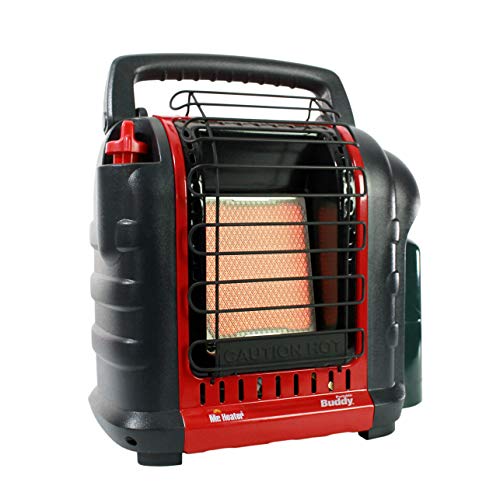
The Mr. Heater MH9BX Is a portable propane radiant heater producing 4,000 to 9,000 BTUs. It is optimized for outdoor use and nearly 100-percent efficient at converting fuel to radiant heat in the space immediately surrounding the unit.
Safety mechanisms include auto shut-off if tipped, if the pilot light goes out, or if low oxygen is detected. The manufacturer notes altitude-related performance changes and potential shutdown above 7,000 feet. This heater is not catalytic; it uses a radiant burner suited to open-air or well-ventilated usage.
Call 888-896-7031 for Free Local HVAC Quotes – Compare and Save Today!
Because it is approved for outdoor use and provides higher BTU output, it is appropriate for colder outdoor activities. It is less suited for tightly sealed indoor environments where catalytic or electric heaters are safer options.
Mosoyolo Portable Propane Heater Camping 6500 BTU

The Mosoyolo Portable Heater Is a compact propane unit delivering 6,500 BTU via a propane burner and includes a built-in electric igniter and a control valve for flame adjustment. It targets campers, golf carts, or outdoor shelters that require quick heat.
Key safety features include a tip-over automatic leak protection and an all-aluminum reflector designed for durability in outdoor environments. The brass connector adds corrosion resistance at the cylinder interface. The product is not a catalytic heater; it provides direct flame-based heating suited for outdoor or ventilated settings.
Operation notes: the electric igniter simplifies startup, but users should only use the heater in accordance with propane safety best practices and maintain clearance from flammable materials.
Heater Dust Cover Replanement For Olympian Wave Heaters

This Dust Cover Is marketed as compatible with Olympian Wave models such as Wave-6 and Wave-8 when used as portable units. It protects the heater from dust, dirt, and scratches during storage and transport.
Key attributes include material durability for varied storage conditions and design tailored to portable heater dimensions. For owners of catalytic Wave heaters, using a protective cover helps maintain catalyst integrity and prolongs the exterior finish.
Practical note: covers are not a safety device for operation. Always store heaters with fuel sources disconnected and follow manufacturer storage guidelines to avoid damage to fuel fittings or the catalyst surface.
Buying Guide: How To Choose A Portable Catalytic Heater
This buying guide covers core factors—type, BTU sizing, safety, fuel, ventilation, and installation—plus comparative perspectives for indoor, outdoor, and mixed-use scenarios.
Tips for Getting the Best HVAC Prices
- Prioritize Quality Over Cost
The most critical factor in any HVAC project is the quality of the installation. Don’t compromise on contractor expertise just to save money. - Check for Rebates
Always research current rebates and incentives — they can significantly reduce your overall cost. - Compare Multiple Quotes
Request at least three estimates before making your choice. You can click here to get three free quotes from local professionals. These quotes include available rebates and tax credits and automatically exclude unqualified contractors. - Negotiate Smartly
Once you've chosen a contractor, use the proven strategies from our guide — How Homeowners Can Negotiate with HVAC Dealers — to get the best possible final price.
1. Heater Type And Technology
- Catalytic Heaters: Oxidize fuel on a catalyst plate; provide flame-free, silent, steady heat. Efficient at low temperatures and suitable for enclosed small spaces with proper ventilation.
- Radiant/Propane Heaters: Use open burners or infrared elements to create direct heat. Typically higher BTU and better for outdoor or well-ventilated areas.
- Electric/Ceramic Heaters: Safer for indoor use without combustible fuels. Require electrical supply and are quieter than blower heaters when fanless.
2. BTU Output And Area Coverage
- Match BTU rating to room size: 1,500–3,000 BTU for small enclosed spaces (e.g., compact RV sleeping areas), 3,000–6,000 BTU for medium rooms or larger RVs, and 6,000+ BTU for outdoor heating.
- Consider insulation, ceiling height, and drafts. Manufacturers’ square-foot estimates assume typical insulation levels; real-world performance varies.
3. Fuel Type And Availability
- Propane: Widely available, portable, high BTU density; requires safe storage and ventilation.
- Liquid Butane/Other Fuels: Less common in North America; check compatibility.
- Electric: No combustion byproducts; limited by cord length and outlet capacity.
4. Safety Features
- Oxygen Depletion Sensor (ODS): Shuts off if oxygen drops—important for indoor combustion heaters.
- Tip-Over Switch: Automatically cuts fuel when unit falls.
- Auto Shut-Off for Pilot or Flame Out: Prevents unlit fuel flow.
- For catalytic units, follow ventilation guidance; catalytic heaters produce small amounts of CO and should be used with CO alarms in enclosed settings.
5. Installation And Portability
- Portable units should offer secure base options or foldable legs and be lightweight for transport.
- Wall-mountable catalytic models provide a semi-permanent solution for RVs or cabins but may require more planning for fuel routing and clearance.
6. Noise, Operation, And Maintenance
- Catalytic units typically operate silently without fans—ideal for sleeping or quiet environments.
- Radiant and propane burners may create pilot noise or slight burner sounds; electric fans add audible airflow.
- Maintenance: keep catalyst surfaces clean and protected during storage using covers. Follow manufacturer service intervals for any replacement parts like piezo starters.
7. Environmental And Altitude Considerations
- Fuel combustion efficiency changes with altitude. Some propane units may shut off or reduce output above specified elevations (e.g., 7,000 ft).
- Consider oxygen availability in high-altitude or tightly sealed environments and select heaters with appropriate safety sensors.
8. Accessories And Compatibility
- Protective dust covers preserve catalytic elements and finish during storage.
- Optional mounting hardware or leg stands can convert stationary models into portable units.
- Check connector types for propane and compatibility with common cylinder sizes.
9. Use-Case Comparisons
- RV Sleeping Area: Catalytic heater (e.g., Wave-3) for quiet, low-odor warmth with ODS awareness.
- Large Enclosed Shop/Porch: Wave-6 catalytic unit or higher-BTU radiant heater for broader coverage.
- Camping/Tent/Outdoor: Propane radiant units with built-in igniters offer rapid heat but require outdoor-rated placement.
- Desk Or Small Room: Electric ceramic heaters eliminate combustion risks and provide plug-and-play convenience.
10. Final Selection Checklist
- Confirm intended use: indoor vs. outdoor vs. mixed.
- Verify BTU vs. room size and expected insulation levels.
- Ensure presence of required safety features: ODS, tip-over, auto shut-off.
- Check fuel availability and connector compatibility for field use.
- Review maintenance needs and whether protective accessories are available.