
Looking For Reliable Portable Kerosene Heat? This guide compares top portable kerosene heaters that work for home, garage, workshop, and emergency backup. Below is a compact comparison table of the five selected units to help you scan features before deeper reviews.
| Product | BTU | Run Time / Tank | Notable Feature |
|---|---|---|---|
| Sengoku HeatMate 23,500 BTU | 23,500 | Up To 12 Hours / 1.9 Gal | Indoor/Outdoor, Safety Shutoff |
| KeroHeat 23,500 BTU | 23,500 | Up To 12 Hours / 1.9 Gal | Push-To-Start, Includes Siphon |
| LINWIN 2-In-1 Kerosene Heater & Stove | 9,000 | Varies / Small Tank | Heater + Cooking Stove, Portable Kit |
| KeroHeat 10,000 BTU | 10,000 | Up To 14 Hours / 1.2 Gal | Compact 400 sq ft Coverage |
| Dyna-Glo 23,800 BTU Convection | 23,800 | Extended / No Electricity | High Output, Convection Style |
Content Navigation
- Sengoku HeatMate 23,500 BTU
- KeroHeat 23,500 BTU
- LINWIN 2-in-1 Kerosene Heater & Stove
- KeroHeat 10,000 BTU Portable
- Dyna-Glo 23,800 BTU Convection
- Buying Guide: How To Choose A Portable Kerosene Heater
- 1. Heat Output And Coverage
- 2. Fuel Capacity And Run Time
- 3. Ignition Type And Power Independence
- 4. Safety Features
- 5. Portability And Size
- 6. Functionality: Radiant vs Convection vs Combo
- 7. Maintenance And Consumables
- 8. Indoor Use Considerations
- 9. Noise Levels And Operation
- 10. Emergency Preparedness And Storage
- Comparison Perspectives
Sengoku HeatMate 23,500 BTU
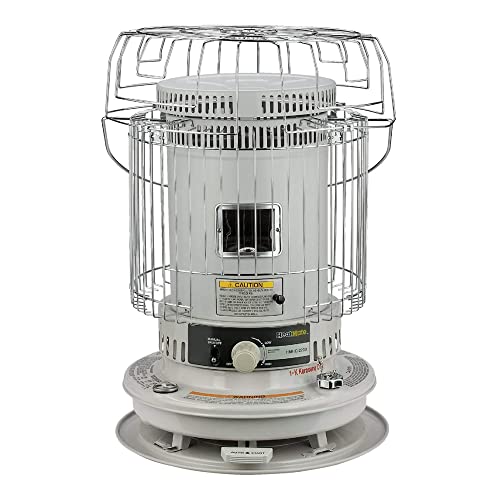
The Sengoku HeatMate HMC-23K is a high-output, cordless kerosene space heater rated at 23,500 BTU. Designed for indoor and outdoor use, it targets large, poorly insulated spaces and can heat up to approximately 1,000 square feet. The 1.9-gallon fuel tank offers extended running time — manufacturers state up to 12 hours on a single fill.
Safety is addressed with an automatic shut-off, tip-over switch, and protective guard grills to reduce contact with the heater element. The unit is described as suitable for emergency heating during power outages, with a push-to-start ignition system so it can operate without household electricity.
KeroHeat 23,500 BTU

This KeroHeat portable heater delivers 23,500 BTU for robust warm-up of large areas up to about 900 square feet. It includes a 1.9-gallon tank and ships with a siphon pump and 2 D batteries in some configurations to ease fueling and startup. The push-to-start feature makes operation straightforward during outages or when no electricity is available.
Call 888-896-7031 for Free Local HVAC Quotes – Compare and Save Today!
Designed for portability, the unit is aimed at indoor/outdoor scenarios such as garages, basements, and campsites. Safety features include an automatic fuel shut-off and protective grills. The combination of high output and a sizable tank positions this unit for users needing extended heat without frequent refills.
LINWIN 2-in-1 Kerosene Heater & Stove

The LINWIN unit is a multifunctional 2-in-1 kerosene heater and stove delivering around 9,000 BTU. It emphasizes versatility for camping, hunting, and emergency preparedness: you can cook on the stove plate and use the heater to warm a small shelter or vehicle. The kit includes spare wicks, a siphon pump, gloves, and a storage bag.
Height adjustability and a carry handle improve portability. As a lower-BTU option compared to larger kerosene heaters, this model suits users prioritizing cooking ability and compact transport over maximum square footage coverage. The included consumables and accessories support field use where supplies and power are limited.
KeroHeat 10,000 BTU Portable

The KeroHeat CTN-110 is a compact, cordless kerosene heater rated at 10,000 BTU, designed for spaces up to roughly 400 square feet. It uses a 1.2-gallon tank capable of extended runtime; manufacturer claims suggest up to 14 hours per fill. The unit provides practical, economical heat for small rooms, workshops, and temporary indoor use.
Call 888-896-7031 for Free Local HVAC Quotes – Compare and Save Today!
Safety features include automatic shut-off and a tip-over switch. The push-button ignition simplifies startup without needing matches or household power. This model suits buyers who need moderate heat in a compact, easy-to-store package that still operates during power loss.
Dyna-Glo 23,800 BTU Convection
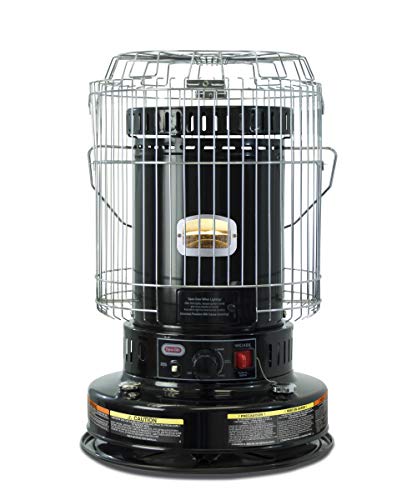
The Dyna-Glo WK24BK is a high-capacity 23,800 BTU indoor convection-style kerosene heater that heats up to 1,000 square feet. Built to run without electricity, it uses convection to disperse warm air throughout a space and is marketed for workshops, large rooms, and emergency heating.
Key features include robust output and no-electric operation. Convection heaters like this one spread heat indirectly by warming air, which can be preferable for whole-room coverage versus radiant-only units. Portable by design, it suits users needing substantial, distributed heat in poorly insulated environments.
Buying Guide: How To Choose A Portable Kerosene Heater
This buying guide highlights the main considerations when choosing a portable kerosene heater. Use it to compare performance, safety, and suitability for your environment.
1. Heat Output And Coverage
BTU Rating determines heating capacity. Models in the 20,000+ BTU range heat large garages and 800–1,000+ sq ft areas. Mid-range units (10,000–12,000 BTU) suit small rooms up to ~400 sq ft. Match BTU to the square footage and insulation quality of your space.
2. Fuel Capacity And Run Time
Tank size (gallons) affects how long a heater runs between refills. Larger tanks (1.9 gal) provide longer runtime — often 10–12 hours. Smaller tanks are lighter and more portable but require more frequent refills. Consider availability and storage of kerosene for extended use.
3. Ignition Type And Power Independence
Push-button and piezo igniters allow operation without household electricity — essential for power outages and remote use. Models that include batteries, siphon pumps, or a manual siphon ease field operation.
4. Safety Features
Look for automatic shut-off, tip-over switches, and protective grills. These reduce fire and burn risks, especially in homes with children or pets. Some units include fuel shut-off mechanisms and heat shields for additional protection.
5. Portability And Size
Weight, carry handles, and overall dimensions matter when moving heaters between locations. If you plan to take a heater camping or to a job site, consider models with dedicated handles, compact footprints, and lower weight.
6. Functionality: Radiant vs Convection vs Combo
Radiant Heaters heat people and objects directly and work well for spot heating. Convection Heaters warm air to distribute heat across a room. Combo units
7. Maintenance And Consumables
Consider wick replacement intervals, availability of replacement parts, cleaning needs, and whether a siphon pump or spare wicks are included. Easy-to-service designs reduce long-term costs and downtime.
8. Indoor Use Considerations
Kerosene heaters emit combustion byproducts and require ventilation. For indoor use, follow manufacturer guidance on ventilation and fuel type. Check whether a model is explicitly rated for indoor use and conforms to local safety codes.
9. Noise Levels And Operation
Convection units are typically quieter, while some radiant units or models with fans may produce noise. If quiet operation is important, compare user reports or manufacturer specifications for operational noise.
10. Emergency Preparedness And Storage
For emergency kits, prioritize no-electric ignition, long runtime, compact storage, and included accessories like siphons. Store kerosene in approved containers and comply with local regulations for fuel storage.
Comparison Perspectives
When comparing units, evaluate from at least these perspectives:
- Performance Perspective: BTU output and run time determine whether a heater meets heating needs for size and insulation.
- Safety Perspective: Presence of tip-over protection, auto shutoff, and protective grills reduces risk in occupied spaces.
- Portability Perspective: Weight, handles, and included accessories affect transportability for camping or job sites.
- Functionality Perspective: Radiant vs convection vs combo dictates use cases (spot heating, whole-room, cooking).
- Maintenance Perspective: Ease of refilling, wick replacement, and parts availability influence total cost of ownership.
Use these perspectives to prioritize trade-offs: choose higher BTU and larger tanks for long-duration or large-space heating, or smaller, multifunctional units when portability and cooking are required. Always confirm a model’s indoor-safe rating and follow fuel and ventilation guidelines for safe operation.
Tips for Getting the Best HVAC Prices
- Prioritize Quality Over Cost
The most critical factor in any HVAC project is the quality of the installation. Don’t compromise on contractor expertise just to save money. - Check for Rebates
Always research current rebates and incentives — they can significantly reduce your overall cost. - Compare Multiple Quotes
Request at least three estimates before making your choice. You can click here to get three free quotes from local professionals. These quotes include available rebates and tax credits and automatically exclude unqualified contractors. - Negotiate Smartly
Once you've chosen a contractor, use the proven strategies from our guide — How Homeowners Can Negotiate with HVAC Dealers — to get the best possible final price.