
Finding the right portable RV heater means balancing heating power, fuel type, safety features, and size. Below is a quick comparison table of five relevant portable heaters suitable for RV use, followed by detailed product overviews and a practical buying guide to help you choose the right unit for your RV space.
| Product | Type | Key Benefit |
|---|---|---|
| BLACK+DECKER Portable Space Heater | Electric ceramic fan heater | Lightweight, carry handle, 750/1500W settings |
| Mr. Heater MH9BXRV Buddy | Propane radiant heater | Indoor-safe radiant heat, 4,000–9,000 BTU |
| Mr. Heater MH9BX (MA/Canada Approved) | Propane radiant heater | Certification for additional regions, similar output |
| Dreo Space Heater (PTC Ceramic) | Electric PTC ceramic heater | Digital thermostat, remote, advanced safety |
| GiveBest Portable Electric Space Heater | Electric ceramic heater | Adjustable thermostat, tip-over and overheat protection |
Content Navigation
BLACK+DECKER Portable Space Heater

This compact ceramic heater is designed for portability and short-range supplemental heat. The unit weighs 2.8 lbs and includes a carry handle, making it easy to move around an RV or small living area.
- Power Modes: Low (750W), High (1500W), and Fan-only mode for ventilation.
- Thermostat Control: Adjustable thermostat to maintain a set comfort level without continuous full-power operation.
- Design & Use: Small footprint suited for desks, countertops, and shelves inside an RV where a 120V outlet is available.
Practical for electric-available campsites or when shore power is connected. As an electric unit, it requires adequate electrical supply and should be used with attention to RV circuit limits.
Mr. Heater F232017 MH9BXRV Buddy
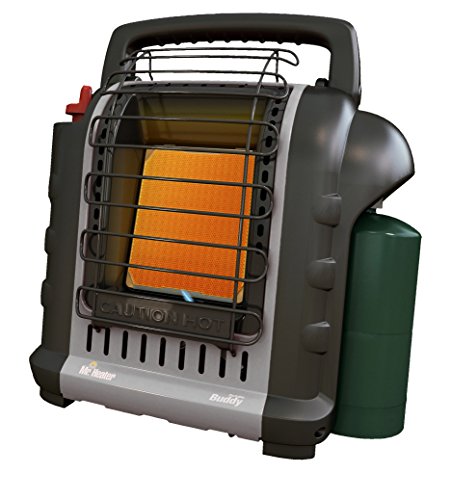
The MH9BXRV Buddy is a portable propane radiant heater specifically marketed for RV and indoor-safe applications. It delivers 4,000–9,000 BTU of radiant heat and covers up to an estimated 225 square feet depending on insulation and conditions.
Call 888-896-7031 for Free Local HVAC Quotes – Compare and Save Today!
- Heat Output: 4,000–9,000 BTU suitable for small to mid-size RV compartments.
- Safety Features: Auto shut-off for tip-over, pilot outage, and low oxygen sensing (ODS).
- Usage Notes: Approved for indoor/outdoor use; efficient radiant heat that does not rely on electricity for heat generation.
Because it uses propane, ensure adequate ventilation and follow manufacturer guidelines for indoor RV installation and altitude considerations. It is useful when shore power is unavailable or when higher output heat is needed quickly.
Mr. Heater MH9BX – Massachusetts/Canada Approved
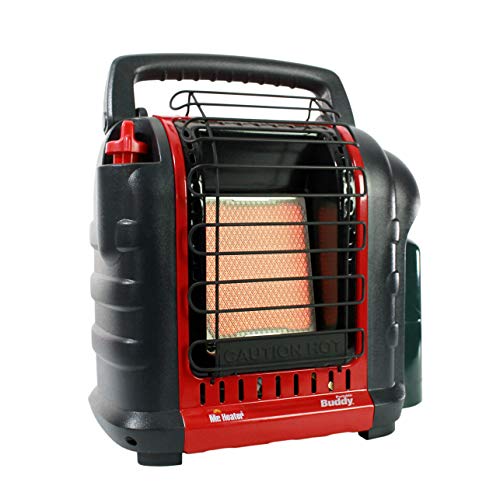
This variant of the MH9BX series is certified for specific regional requirements and provides the same 4,000–9,000 BTU radiant heating range. It’s engineered for nearly 100% combustion efficiency when used as directed.
- Certification: Regional approvals can affect permitted indoor use; useful for users in areas with stricter regulations.
- Safety Systems: Includes automatic shut-off if tipped or if oxygen levels fall below safe thresholds.
- Application: Designed for quick, effective heating in enclosed spaces like RV living areas or cabins with proper ventilation.
Consider this model when local certification matters for installation or purchase compliance. Users should verify compatibility with RV ventilation and local codes.
Dreo Space Heater With Thermostat And Remote

The Dreo space heater uses an advanced PTC ceramic element and a heat funnel design intended to accelerate warm-air delivery and extend circulation range. It features a digital thermostat and remote control for precise temperature management.
Call 888-896-7031 for Free Local HVAC Quotes – Compare and Save Today!
- Performance: 1500W PTC system with rapid warm-up and claimed broader warm-air reach.
- Controls & Safety: Digital display, programmable timer, tilt-detection sensor, overheat protection, and ETL-certified safety components.
- Thermostat Accuracy: Fine-grain temperature settings (1°F increments) enabling energy-conscious operation.
This electric heater suits RVs with reliable shore power or larger inverter setups. The digital controls and timer add convenience for overnight use, provided electrical capacity and battery considerations are accounted for.
GiveBest Portable Electric Space Heater With Thermostat

The GiveBest ceramic heater offers two heat levels (1500W/750W) and a fan setting, plus a thermostat range from 0°F to 158°F and built-in safety protections such as tip-over and overheat shutoff.
- Thermostat Cycling: Cycles on/off to maintain the preset temperature, which can be efficient for short-term comfort.
- Safety Features: Flame-retardant materials, automatic shutdown on overheating, and tip-over protection that resumes when uprighted.
- Portability: Compact size with a built-in carry handle for moving around small RV interiors.
Suitable for users who need a simple, portable electric heater with thermostat control. Best used when connected to shore power or when electric system capacity in the RV supports 1500W loads.
Buying Guide: How To Choose A Portable RV Heater
Choosing the right heater for an RV requires evaluating heat source, safety systems, power availability, size, and intended use patterns.
Heat Source: Propane vs Electric
Propane Heaters (radiant or catalytic) provide high output without drawing electrical current and are effective for off-grid heating. They require attention to ventilation, CO and oxygen depletion monitoring, and adherence to manufacturer and regional safety regulations.
Electric Heaters (ceramic/PTC) are simpler to operate, offer digital controls and timers, and pose no combustion gases. They require sufficient electrical capacity: many draw 1500W, which affects inverter and shore power needs.
Safety Features
- Oxygen Depletion Sensors (ODS): Important for indoor propane use to shut off the heater if oxygen falls below safe levels.
- Tip-Over Shutoff: Prevents operation if the unit falls, reducing fire risk in compact RV spaces.
- Overheat Protection: Automatic shutdown to prevent surface or internal overheating.
- Certifications: ETL/CSA/UL listings and regional approvals can be required or preferred for indoor installations.
Output And Coverage
Heaters are rated differently: BTU for propane and watts for electric. Estimate required heating based on RV insulation, outside temperature, and square footage. As a rough guide, 4,000–9,000 BTU propane units often suit small to mid-size RV compartments, while 1500W electric
Power And Fuel Logistics
Consider fuel storage and supply for propane units and battery/inverter capacity for electric heaters. Electric heaters can quickly drain inverter batteries if used off-grid; propane heaters avoid that but need safe venting and propane hookups.
Size, Placement, And Portability
Compact units with handles are easier to move and store in limited RV space. Plan placement for safe clearances from fabrics, vents, and walkways. Radiant heaters warm objects and people directly; fan-based heaters circulate warm air and may warm a whole compartment differently.
Control Features And Convenience
Digital thermostats, timers, and remote controls add convenience and energy savings by maintaining target temperatures rather than running continuously at full power. Consider models with adjustable thermostats for precise control.
Altitude And Ventilation Considerations
Propane heaters may behave differently at higher elevations. Some models include warnings about operation above specific altitudes. Ensure adequate ventilation and follow manufacturer guidance to avoid shut-offs or inefficient operation.
Maintenance And Replacement Parts
Check availability of replacement parts such as pilot assemblies, O-rings, or ignition components for propane units. For electric heaters, verify filter or fan access if applicable.
Comparison Perspectives
- Off-Grid Use: Propane units excel where shore power is unavailable.
- Shore Power / Campgrounds: Electric PTC or ceramic heaters offer cleaner operation and digital controls when adequate electrical supply is present.
- Safety-Focused Buyers: Look for ODS and multiple shutoff systems for indoor propane use; for electric, seek ETL/UL listings and robust tip-over/overheat protection.
- Portability & Storage: Lightweight electric heaters and small propane buddy heaters balance portability with heating needs; consider where the unit will be stored when not in use.
Use this guide to match the heater’s power source, output, and safety features to your RV’s electrical capabilities, ventilation, and intended camping style for practical, safe heating on the road.
Tips for Getting the Best HVAC Prices
- Prioritize Quality Over Cost
The most critical factor in any HVAC project is the quality of the installation. Don’t compromise on contractor expertise just to save money. - Check for Rebates
Always research current rebates and incentives — they can significantly reduce your overall cost. - Compare Multiple Quotes
Request at least three estimates before making your choice. You can click here to get three free quotes from local professionals. These quotes include available rebates and tax credits and automatically exclude unqualified contractors. - Negotiate Smartly
Once you've chosen a contractor, use the proven strategies from our guide — How Homeowners Can Negotiate with HVAC Dealers — to get the best possible final price.