
Finding the right propane heater for a basement involves balancing output, venting type, safety features, and installation. The table below summarizes five propane heaters selected for basement use, including wall-mounted vent-free units and portable models suited to enclosed spaces.
| Product | Type | BTU Range | Coverage |
|---|---|---|---|
| Dyna-Glo IR30PMDG-1 | Infrared Vent Free Wall Heater | 6,000–30,000 BTU | Up To 1,000 Sq. Ft. |
| Mr. Heater MHVFBF20LPT | Blue Flame Vent Free Wall Heater | Up To 20,000 BTU | Up To 700 Sq. Ft. |
| Dyna-Glo 30,000 Blue Flame | Blue Flame Vent Free Wall Heater | 24,000–30,000 BTU | Up To 1,000 Sq. Ft. |
| ProCom ML300TBA-B | Blue Flame Ventless Space Heater | Up To 30,000 BTU | Up To 1,400 Sq. Ft. |
| Mr. Heater 4,000–18,000 BTU Portable | Portable LP Heater With Dual Tank Option | 4,000 / 9,000 / 18,000 BTU | Up To 450 Sq. Ft. |
Content Navigation
Dyna-Glo IR30PMDG-1 30,000 BTU Wall Heater

This liquid propane-ready infrared vent-free wall heater uses radiant heat to warm objects and people directly rather than only heating air. The unit offers a variable output from 6,000 to 30,000 BTU, and the manufacturer notes coverage up to about 1,000 square feet. Infrared operation can feel more immediate in cold, drafty basements because surfaces and occupants receive directed warmth.
Features include infrared technology, wall-mount installation, and a broad BTU range. The product is specified as liquid propane ready with no fuel conversion permitted. For basements that need fast localized heat near living or workspace areas, this radiant style may be efficient since it reduces reliance on warming all air in a large, unfinished space.
Mr. Heater MHVFBF20LPT 20,000 BTU Blue Flame
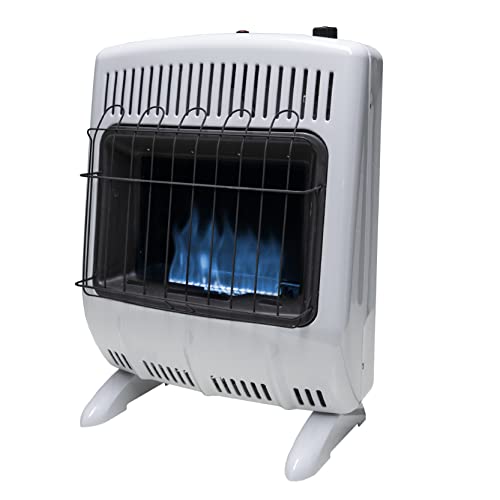
This blue flame vent-free wall heater provides up to 20,000 BTU and is designed for enclosed living spaces such as rooms, cabins, or basements up to approximately 700 square feet. The unit includes a thermostat for temperature control and a battery-powered electronic ignition system for easy startup.
Call 888-896-7031 for Free Local HVAC Quotes – Compare and Save Today!
Manufacturer-listed safety features include an Oxygen Depletion Sensor (ODS) that shuts fuel supply if oxygen levels drop. The heater’s rated performance at elevations up to 4,500 ft is noted, and the fuel consumption metric is provided for reference. For basements that allow vent-free operation, blue flame technology offers convective heating that warms air more evenly throughout the space.
Dyna-Glo 30,000 BTU Blue Flame Wall Heater

The Dyna-Glo blue flame wall heater is listed as liquid propane ready and provides a variable output between 24,000 and 30,000 BTU, suitable for larger basements or open plan lower levels up to about 1,000 square feet. Blue flame technology convects heat to warm room air in a manner similar to central heating.
Key features noted by the manufacturer include wall-mount installation and an adjustable BTU range. The unit is intended as a vent-free solution, which can simplify installation versus vented systems but requires compliance with indoor combustion and ventilation guidelines. This heater may be chosen where steady, air-warming performance is preferred over targeted radiant warmth.
ProCom ML300TBA-B 30,000 BTU Ventless Heater

The ProCom ML300TBA-B is a compact blue flame ventless mini heater producing up to 30,000 BTU and advertised to heat areas up to 1,400 square feet. It lists thermostat control with multiple heat settings and can be wall-mounted or used with included base feet for floor placement.
Call 888-896-7031 for Free Local HVAC Quotes – Compare and Save Today!
Manufacturer features emphasize dependable thermostat control, a modern slim profile for residential rooms, and an included mounting kit. As a ventless design, this model aims to provide strong convective heat output for larger basement rooms where central heat is inadequate or where a wall-mounted supplemental source is preferred.
Mr. Heater 4,000–18,000 BTU Portable LP Heater
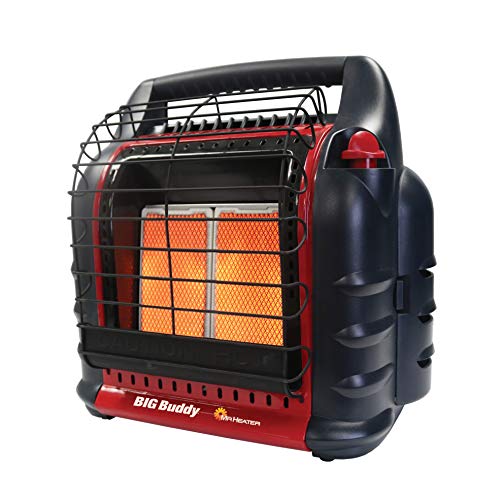
This portable Mr. Heater unit offers three heat settings—4,000, 9,000, and 18,000 BTU—and can serve basements, workshops, or multi-use lower-level rooms up to about 450 square feet on the highest setting. It supports use with larger propane tanks (with an optional hose and filter) for extended run times.
Manufacturer features include a single control knob with piezo ignition and an automatic tip-over safety shutoff. Portability allows placement flexibility in basements that lack a dedicated wall-mount location or where temporary supplemental heat is needed near a workspace or recreational area.
Buying Guide: Choosing The Right Propane Basement Heater
Selecting the best propane heater for a basement depends on room size, insulation, intended use, ventilation rules, and safety preferences. Below are key considerations and comparison perspectives to help narrow choices.
Heating Type: Infrared vs Blue Flame vs Radiant/Convective
- Infrared / Radiant: Heats objects and people directly. Best If You Need Immediate, Localized Warmth In A Drafty Basement Area.
- Blue Flame / Convective: Warms air which circulates to heat the room. Better For Even Temperature Distribution In Finished Basements.
- Portable Units: Offer placement flexibility and are useful for workshops, home gyms, or temporary needs; may be less ideal for whole-basement heating.
BTU Output And Room Coverage
- Estimate required BTUs using square footage and insulation level: unfinished, poorly insulated basements require higher BTU per square foot.
- Select a unit with variable BTU settings when possible to match partial loads and save fuel.
Ventless vs Vented
- Ventless (Vent-Free): Easier installation and efficient heat delivery; produces combustion byproducts in the room—requires adherence to local codes and proper oxygen depletion sensors and room size considerations.
- Vented: Safer for long-term indoor combustion in enclosed or marginally ventilated spaces but often requires more complex installation and ducting.
Safety Features
- Oxygen Depletion Sensor (ODS): Essential for vent-free units to cut gas if oxygen levels fall.
- Tip-Over Switch and Auto Shutoff: Important for portable heaters used near workspaces or high-traffic areas.
- Certified Components: Look for units with recognized safety certifications and built-in ignition systems to avoid open-flame starting methods.
Installation And Placement
- Wall-mounted heaters require solid wall space and clearance; follow manufacturer clearances from floor, ceiling, and combustibles.
- Portable units need stable, level placement and should not be used in sleeping areas or unattended for long periods unless specified safe for indoor use.
- Check local building codes and fuel type restrictions (LPG vs natural gas) before purchase or installation.
Fuel Supply And Run Time
- Consider connection options: small 1-lb cylinders for portability versus 20–40 lb tanks or permanent lines for longer run times.
- Some models accept larger tanks with an optional hose; others are designed for specific cylinder types only.
Basement-Specific Considerations
- Basements often have higher heat loss through concrete and limited natural ventilation—select higher capacity or multiple distributed units when heating a large, unfinished space.
- Monitor humidity and condensation risks when using vent-free heaters; proper insulation and ventilation reduce moisture accumulation.
- If the basement will be used as a living area, prioritize units with thermostats and quiet ignition systems for comfortable, continuous operation.
Comparison Perspectives
- Cost of Ownership: Higher BTU units consume more fuel; variable settings and thermostatic control improve efficiency.
- Flexibility: Portable heaters win for temporary or workshop use; wall-mounted vent-free units suit permanent supplemental heating of finished basements.
- Safety and Code Compliance: Varies by locality—confirm vent-free devices are permitted in basements in your area and ensure proper clearances and sensors are in place.
Use the above criteria to match a heater’s features—BTU range, heat delivery method, safety systems, and installation needs—to your basement’s layout and intended use. Proper sizing and adherence to local codes are essential for safe and effective propane heating.
Tips for Getting the Best HVAC Prices
- Prioritize Quality Over Cost
The most critical factor in any HVAC project is the quality of the installation. Don’t compromise on contractor expertise just to save money. - Check for Rebates
Always research current rebates and incentives — they can significantly reduce your overall cost. - Compare Multiple Quotes
Request at least three estimates before making your choice. You can click here to get three free quotes from local professionals. These quotes include available rebates and tax credits and automatically exclude unqualified contractors. - Negotiate Smartly
Once you've chosen a contractor, use the proven strategies from our guide — How Homeowners Can Negotiate with HVAC Dealers — to get the best possible final price.