
Choosing the best propane bottle heater depends on where and how you plan to use it — camping, a workshop, patio, or as a permanent room heater. The table below summarizes five highly relevant Amazon-listed options including portable radiant units, multi-setting propane heaters, a vent-free wall heater, and useful refill and accessory items for bottle-fed systems.
| Product | Type / Use | Key Feature |
|---|---|---|
| Mr. Heater Portable Buddy MH9BX | Portable Radiant Heater (Indoor-Safe) | 4,000–9,000 BTU; tip-over safety; piezo igniter |
| Mr Heater 4,000–18,000 BTU Portable LP Unit | Variable Multi-Setting Heater (Indoor/Outdoor) | 3 heat settings up to 18,000 BTU; dual tank connection |
| Mr. Heater MHVFBF20LPT 20,000 BTU Blue Flame | Vent-Free Wall Heater (Permanent Install) | Thermostat, ODS safety, up to 20,000 BTU |
| Mr. Heater Fuel Keg 1 lb. Refillable Tank | Refillable Propane Cylinder (Empty) | DOT certified refillable 1 lb. cylinder (refill kit sold separate) |
| Alloxity 1lb To 20lb Propane Refill Adapter | Refill Adapter With Valve & Gauge | 90-degree elbow, on/off valve, gauge for gas level |
Content Navigation
- Mr. Heater Portable Buddy MH9BX
- Mr Heater 4000 To 18000 BTU 3-Setting Portable LP
- Mr. Heater MHVFBF20LPT 20,000 BTU Blue Flame
- Mr. Heater Fuel Keg 1 lb. / 16 oz. Refillable Propane Tank
- Propane Refill Adapter For 1 lb. Tanks (Alloxity)
- Mr. Heater 1 lb. Propane Tank Foot / Stabilizer
- Buying Guide: How To Choose The Right Propane Bottle Heater
- 1. Heater Type And Intended Use
- 2. Heat Output And Coverage
- 3. Fuel Type And Refill Strategy
- 4. Safety Features
- 5. Installation And Local Codes
- 6. Portability, Weight, And Mounting
- 7. Run Time And Fuel Efficiency
- 8. Accessories And Practical Considerations
- 9. Safety Practices For Refilling
- 10. Comparison Perspectives
Mr. Heater Portable Buddy MH9BX
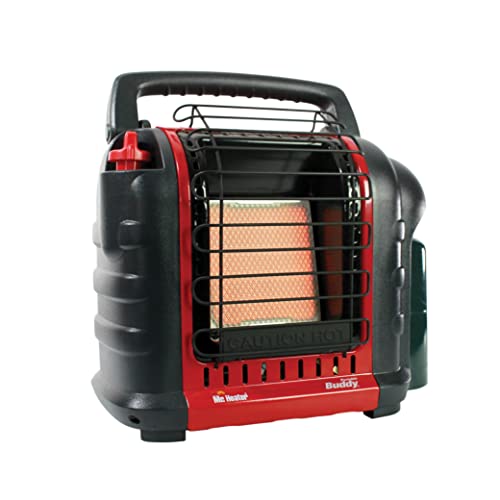
This portable radiant propane heater is designed for close-range warmth using infrared technology that warms objects and people directly rather than heating all the air. It offers an adjustable range from 4,000 to 9,000 BTUs and is rated to serve spaces up to around 225 sq. ft., making it suitable for campers, tents rated for indoor-safe heaters, small workshops, or covered patios.
Key safety and convenience features listed include an improved tip-over safety switch that audibly engages if tipped, and a durable piezo igniter for matchless start-up. The product’s design emphasizes portable radiant heat rather than broad-area convection, so it’s most effective when directed toward occupants or key objects.
Use cases: short-term portable heating, emergency warmth near a workstation, or supplemental heat in enclosed outdoor structures. Reviewers looking for directional, instant warmth typically note the quick response of infrared-type units.
Mr Heater 4000 To 18000 BTU 3-Setting Portable LP
Call 888-896-7031 for Free Local HVAC Quotes – Compare and Save Today!
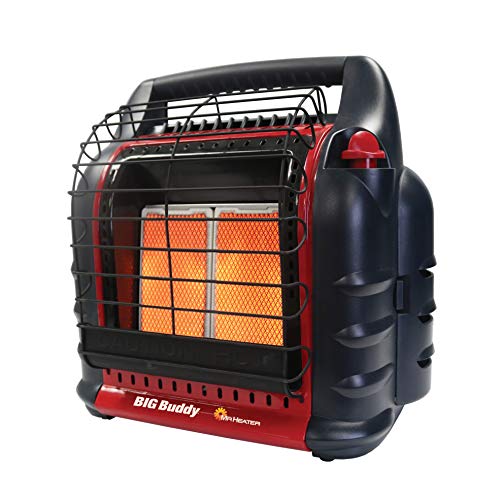
This unit provides variable heat output options — 4,000, 9,000, or 18,000 BTU — enabling customizable warmth for camping, patios, garages, or event spaces. Its listed coverage indicates up to approximately 450 sq. ft. at maximum setting, and it accepts larger propane tanks (up to 40 lbs) when used with the appropriate hose and filter.
The heater features a single control knob with a piezo sparking mechanism and an automatic safety shutoff that activates in tip-over events. The product’s dual tank connection capability allows longer run times or switching between small and larger tanks depending on available fuel and desired portability.
Use cases: flexible heating for mid-sized areas where adjustable output and extended run-time options are required. The 18,000 BTU setting makes it more suitable for larger porches or temporary garage heating than small portable buddy-style units.
Mr. Heater MHVFBF20LPT 20,000 BTU Blue Flame
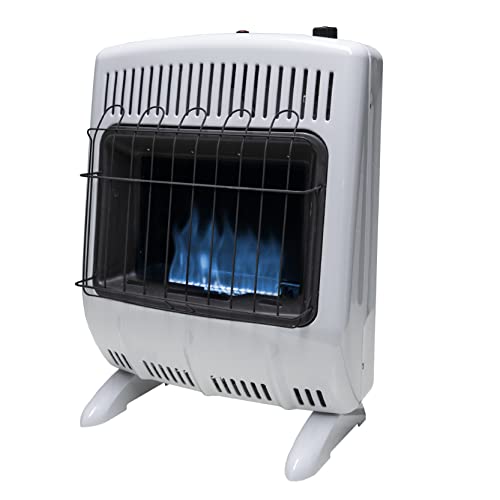
This is a vent-free blue flame wall heater intended as a fixed heating solution for rooms, sunrooms, garages, or additions. It provides up to 20,000 BTU with a listed coverage up to roughly 700 sq. ft. and is designed for steady indoor use at elevations up to 4,500 ft.
Notable listed features include a built-in thermostat for temperature control, battery-powered electronic ignition, and an Oxygen Depletion Sensor (ODS) for automatic shutoff if indoor oxygen levels fall below safe thresholds. The unit specifies a consistent fuel consumption rate and is intended for permanent installation by following local codes and manufacturer instructions.
Call 888-896-7031 for Free Local HVAC Quotes – Compare and Save Today!
Use cases: replacing or supplementing a primary heating system for a single room, heated addition, or as a dedicated heat source in an outbuilding. Vent-free appliances require attention to room ventilation and local regulation compliance.
Mr. Heater Fuel Keg 1 lb. / 16 oz. Refillable Propane Tank

This DOT-certified refillable 1 lb. / 16 oz. propane cylinder ships empty and is intended to be filled only with the Mr. Heater refill kit (sold separately). The manufacturer highlights environmental benefits through reduced disposable cylinder waste when used as part of a refill system.
Its listed use case is as a direct replacement for single-use 1 lb. canisters commonly used with portable heaters, stoves, and torches. Because it arrives empty, buyers should plan to obtain the compatible refill kit or verified refill equipment and follow safety procedures for refilling.
Use cases: frequent users of 1 lb. propane bottles who want to minimize single-use waste and maintain a supply of refillable bottles for portable heaters and cooking equipment.
Propane Refill Adapter For 1 lb. Tanks (Alloxity)

This refill adapter is designed to transfer fuel from larger 20 lb. or 40 lb. tanks to 1 lb. cylinders. Features listed include a 90-degree elbow for easier alignment, an on/off valve to control flow, and an integrated gauge with colored zones to show the small bottle’s gas level.
The product description emphasizes time and cost savings when refilling multiple small bottles, and claims longevity over repeated uses. Proper connections and gauge checks are highlighted as part of safe refilling practices. Compatibility notes name common 1 lb. bottle brands including Flame King, Coleman, and Mr. Heater 16 oz. bottles.
Use cases: hobbyists, frequent campers, or anyone who wants to refill disposable-style 1 lb. bottles from a larger source. Proper technique and attention to leak checks, valve operation, and local regulations are essential when refilling.
Mr. Heater 1 lb. Propane Tank Foot / Stabilizer

This stabilizer accessory is designed to improve the stability of 1 lb. propane bottles when attached to portable heaters or stoves. The primary function is to reduce tipping risk and provide a small footprint base to support the cylinder during use.
Use cases: campers or users operating portable devices on uneven surfaces who want to reduce tip-over incidents. A stable base complements heater models with tip-over safety but does not replace proper placement or manufacturer-recommended safety practices.
Buying Guide: How To Choose The Right Propane Bottle Heater
Selecting the right propane bottle heater requires matching the heater type, safety features, fuel logistics, and intended location. Below are key factors and comparison angles to help choose and use a propane bottle-fed heater safely and effectively.
Tips for Getting the Best HVAC Prices
- Prioritize Quality Over Cost
The most critical factor in any HVAC project is the quality of the installation. Don’t compromise on contractor expertise just to save money. - Check for Rebates
Always research current rebates and incentives — they can significantly reduce your overall cost. - Compare Multiple Quotes
Request at least three estimates before making your choice. You can click here to get three free quotes from local professionals. These quotes include available rebates and tax credits and automatically exclude unqualified contractors. - Negotiate Smartly
Once you've chosen a contractor, use the proven strategies from our guide — How Homeowners Can Negotiate with HVAC Dealers — to get the best possible final price.
1. Heater Type And Intended Use
- Portable Radiant Heaters (e.g., Buddy MH9BX): Best for direct, quick warmth to people or objects. Ideal for camping, tents (check indoor-safety rating), and short-term use in sheltered spaces.
- Multi-Setting Portable Units (4k–18k BTU): Offer flexibility for small to mid-size areas and allow connection to larger tanks for extended run times.
- Vent-Free Wall Heaters (blue flame): Designed as a more permanent solution to heat single rooms. Assess room ventilation and local regulations before installation.
2. Heat Output And Coverage
- Match BTU output to room size: lower BTUs for small enclosed spaces; higher BTUs (10k–20k+) for garages, large patios, or rooms up to several hundred square feet.
- Consider weather and insulation — colder, poorly insulated spaces will require higher output or supplementary heating.
3. Fuel Type And Refill Strategy
- 1 lb. disposable canisters offer convenience and portability.
- Refillable 1 lb. tanks and refill adapters can reduce waste and lower long-term fuel cost when used properly with compatible refill kits and larger source tanks.
- Verify compatibility between heater valve fittings and the chosen bottle or adapter before purchase.
4. Safety Features
- Tip-Over Protection: Critical for portable units used near foot traffic or in outdoor environments.
- Oxygen Depletion Sensors (ODS) and automatic shutoff are important for indoor or vent-free appliances.
- Check for reliable ignition systems (piezo or electronic) and easy-to-operate controls.
5. Installation And Local Codes
- Permanent or wall-mounted vent-free heaters often require adherence to local building codes and recommended clearances.
- Portable units require stable placement and adherence to manufacturer separation distances from combustibles.
6. Portability, Weight, And Mounting
- Consider size and weight if you travel with the heater. Units designed for camping are typically lighter and accept 1 lb. canisters.
- Dual tank connection options increase run-time but reduce portability.
7. Run Time And Fuel Efficiency
- Estimate run time by comparing the heater’s BTU consumption to propane capacity. Higher BTU settings consume fuel faster.
- Refillable solutions or connection to larger tanks extend runtime for longer outdoor activities or job site use.
8. Accessories And Practical Considerations
- Stabilizers reduce tip-over risk for small cylinders and are inexpensive additions for outdoor use.
- Adapters and gauges simplify refilling and let you monitor remaining fuel in small bottles.
- Replacement cylinders and compatible hoses or filters should be available for the chosen model.
9. Safety Practices For Refilling
- Only use refill equipment compatible with the cylinder and follow the manufacturer’s instructions and DOT/regulatory guidance.
- Perform leak checks after refilling and before connecting to a heater; use soapy water for visual checks and never use open flame to detect leaks.
- Refill in a well-ventilated outdoor area, on level ground, and away from ignition sources.
10. Comparison Perspectives
- For maximum portability and short bursts of warmth: choose a small radiant unit that accepts 1 lb. canisters.
- For variable control and larger area coverage: select a multi-setting portable heater with 18,000 BTU capability and dual-tank options.
- For a permanent single-room heat source: evaluate vent-free wall heaters with ODS and thermostat control, ensuring HVAC compatibility and local compliance.
- For long-term cost efficiency and reduced waste: consider refillable propane bottles and a quality refill adapter coupled with safe refilling practices.