
Looking For A Propane Wall Heater? This guide reviews top propane and propane-ready wall heaters suited for direct-vent installations and wall-mounted heating. Below is a quick comparison table of the selected units to help you scan core specs before the fuller reviews.
| Product | Type | BTU | Coverage (Approx.) | Safety Highlights |
|---|---|---|---|---|
| Rinnai EX38DTP Direct Vent Wall Furnace | Direct Vent, Propane | 36,500 | Large Areas | Cool-To-Touch Cabinet, Self-Diagnostics |
| Comfort Glow 11,000 BTU Direct Vent LP | Direct Vent, Liquid Propane | 11,000 | Up To ~375 Sq. Ft. | Sealed Burn, Pressure Regulator |
| Comfort Glow 17,000 BTU Direct Vent LP | Direct Vent, Liquid Propane | 17,000 | Up To ~570 Sq. Ft. | Sealed Burn, Piezo Ignition |
| Empire DV210 Direct Vent Propane Heater | Direct Vent, Propane | 10,000 | Small Rooms | Includes Vent Pipe & Cap |
| Dyna-Glo 30,000 BTU Liquid Propane Blue Flame | Vent-Free, Liquid Propane | 24,000–30,000 | Up To ~1,000 Sq. Ft. | Blue Flame Convection Technology |
Content Navigation
Rinnai EX38DTP Direct Vent Wall Furnace

The Rinnai EX38DTP Is A High-Capacity Direct Vent Wall Furnace Rated At 36,500 BTU, Designed For Large Rooms Or Open Plans. It Uses Modulating Technology To Continuously Adjust Output For Steady Temperatures And Reduced Cycling.
Key Features Highlighted By The Manufacturer Include Consistent And Efficient Heating, A Cool-To-Touch Cabinet For Safety, And Self-Diagnostic Electronics For Simplified Maintenance. The Unit Is Marketed As Energy Efficient Through Precise Fuel Matching To Load.
Installation Notes: This Is A Direct Vent Model Intended For Wall-Mounted Installation With A Proper Venting Run. Professional gas-line hookup and vent termination installation are recommended to meet code requirements and ensure safe operation.
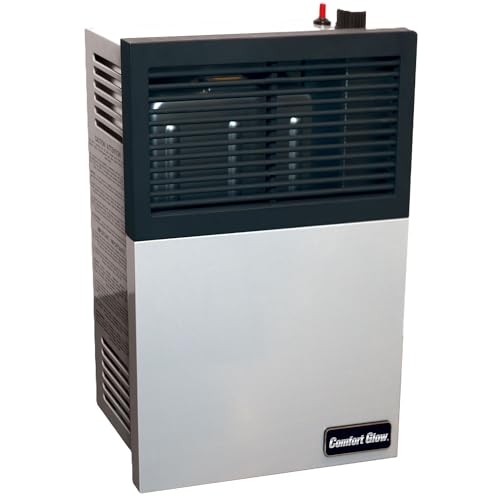
Comfort Glow 11,000 BTU Direct Vent LP
Call 888-896-7031 for Free Local HVAC Quotes – Compare and Save Today!
This Comfort Glow 11,000 BTU Model Is A Compact Direct Vent Liquid Propane Wall Heater Designed For Medium Rooms. The Manufacturer States It Can Heat Up To ~375 Sq. Ft. Using A Sealed Burn System.
Safety And Convenience Features Include Matchless Piezo Ignition, A Built-In Pressure Regulator, And A Safety Pilot That Stops Gas Flow If The Pilot Is Extinguished. The Space-Saving Design Measures Approximately 20 H x 17 W x 7 D.
Installation Notes: The Sealed Combustion Chamber And Direct Venting Make This Unit Suitable Where Indoor air quality and combustion air separation are priorities. Confirm vent routing and clearances during planning.
Comfort Glow 17,000 BTU Direct Vent LP

The Comfort Glow 17,000 BTU Unit Is A Larger Direct Vent LP Option Intended To Cover Up To ~570 Sq. Ft. It Features The Same Sealed Burn System And Safety Pilot With Pressure Regulation As The Smaller Comfort Glow Model.
Design Dimensions Are Approximately 20 H x 27.3 W x 6.5 D, Allowing A Wider Heat Output Area While Maintaining A Slim Wall Profile. The Manufacturer Notes Easy Wall Mounting For Space-Conscious Installations.
Call 888-896-7031 for Free Local HVAC Quotes – Compare and Save Today!
Use Case: This Model Is Appropriate For Medium-To-Large Rooms Where A Direct Vent System Is Required To Isolate Combustion Products From Indoor Air.
Empire DV210 Direct Vent Propane Heater

The Empire DV210 Is A Compact 10,000 BTU Direct Vent Propane Space Heater Geared Toward Smaller Rooms Or Supplemental Heat Needs. The Package Notes That A Vent Pipe And Cap Are Included.
Unit Dimensions Are Approximately 16 1/4″W x 9 3/8″D x 21 3/8″H And The Product Weight Falls Near 42 Pounds. The Smaller Output Suits Bedrooms, Offices, Or Small Living Areas Where Controlled, Localized Heat Is Desired.
Installation Notes: Because This Model Is Direct Vent, It Provides Sealed Combustion And Requires Proper Through-wall Or Vertical Vent Termination. Check Local Codes For Venting Restrictions.
Dyna-Glo 30,000 BTU Liquid Propane Blue Flame

The Dyna-Glo 30,000 BTU Is A Vent-Free Blue Flame Wall Heater Designed For High Output Coverage, With Variable Heat From 24,000–30,000 BTU. The Manufacturer Notes Coverage Up To ~1,000 Sq. Ft.
Technology Notes: Blue Flame Convection Works By Warming Air That Circulates Over The Flame, Similar To Central Heating Convection. Because It Is Vent-Free, It Does Not Require A Chimney Or Direct Vent Penetration.
Safety Perspective: Vent-free units Rely On Indoor Combustion And May Require Adequate Ventilation And An Oxygen Depletion Sensor Depending On Model. Confirm Local Regulations, As Vent-Free Propane Heaters Are Restricted Or Prohibited In Some Jurisdictions.
Buying Guide: Choosing A Propane Wall Heater
This buying guide Covers Key Considerations When Selecting A Propane Wall Heater, With Multiple Comparison Perspectives To Help Match Unit Features To Your Needs.
1. Direct Vent Vs. Vent-Free
- Direct Vent: Sealed combustion chamber draws outdoor air and exhausts combustion products outside. Preferred for indoor air quality and recommended in bedrooms, tight homes, and code-restricted areas.
- Vent-Free: No external venting required; higher combustion efficiencies but combustion products enter the room. Check local codes and indoor air concerns before choosing.
2. Fuel Type And Compatibility
- Liquid Propane (LP) Vs. Natural Gas (NG): Ensure the unit is configured or field-convertible for the fuel available at your site. Some models are LP-only and cannot be converted.
- Confirm gas line sizing and pressure requirements before purchase to avoid underperformance.
3. BTU Output And Room Size
- Match BTUs To Room Volume: Lower BTU units (around 10,000–17,000) suit small to medium rooms; larger units (25,000–36,500) are for large spaces or open plans.
- Consider Insulation, Ceiling Height, And Window Area When Estimating Required Output.
4. Efficiency And Control
- Modulating Or Variable Output Provides Smoother Temperature Control And Lower Fuel Use Compared To Single-Stage Units.
- Programmable Thermostats And Digital Controls Allow More Precise Setbacks And Comfort Management.
5. Safety Features
- Look For Sealed Burn Chambers, Oxygen Depletion Sensors (ODS), Overheat Switches, And Flame Failure Devices Where Applicable.
- Cool-To-Touch Cabinets Are Beneficial In Homes With Children Or High Traffic.
6. Installation And Venting Considerations
- Direct Vent Units Require A Proper Through-Wall Or Vertical Vent Run; Plan For Wall Thickness, Clearance, And Termination Location.
- Professional Installation Ensures Code Compliance, Proper Combustion Air, And Safe Gas Connections.
7. Local Codes And Indoor Air Quality
- Check Local Building Codes For Restrictions On Vent-Free Appliances And Required Venting Practices.
- Consider Adding Carbon Monoxide Alarms And Adequate Ventilation When Installing Any Combustion Appliance.
8. Maintenance And Serviceability
- Choose Units With Accessible Panels, Self-Diagnostics, And Manufacturer Support For Replacement Parts.
- Annual Professional Inspection Is Recommended For Gas Appliances To Verify Safe Operation And Clean Burners.
9. Comparative Perspectives
- Performance-Focused: Higher BTU direct vent units like the Rinnai EX38DTP deliver large area heating with modulating control for steady temperatures.
- Space-Conscious: Compact direct vent options such as the Empire DV210 or Comfort Glow 11k fit small rooms and tight wall spaces.
- Cost/Install Complexity: Vent-free units avoid venting costs but may face regulatory limits or indoor air trade-offs; direct vent units require more installation but isolate combustion.
Use The Above Considerations To Narrow Options Based On Room Size, Venting Capabilities, Fuel Availability, And Safety Priorities. When In Doubt, Consult A Licensed HVAC Or Gas Professional For Site-Specific Recommendations.
Tips for Getting the Best HVAC Prices
- Prioritize Quality Over Cost
The most critical factor in any HVAC project is the quality of the installation. Don’t compromise on contractor expertise just to save money. - Check for Rebates
Always research current rebates and incentives — they can significantly reduce your overall cost. - Compare Multiple Quotes
Request at least three estimates before making your choice. You can click here to get three free quotes from local professionals. These quotes include available rebates and tax credits and automatically exclude unqualified contractors. - Negotiate Smartly
Once you've chosen a contractor, use the proven strategies from our guide — How Homeowners Can Negotiate with HVAC Dealers — to get the best possible final price.