
Choosing a propane heater with proper exhaust affects indoor air quality, safety, and heating efficiency. Below is a concise comparison of five propane or LP-capable heaters relevant to homes, workshops, and whole-house water heating that include or are compatible with exhaust/venting options.
| Product | Type | Exhaust/Venting | Output / Coverage |
|---|---|---|---|
| Mr. Heater Big Maxx MHU80NG | Unit Heater (Natural Gas with LP Conversion Kit) | Category 1 vertical / Category 3 horizontal venting | 80,000 BTU — Up To 2,000 Sq. Ft. |
| VELPAX 4.74 GPM Tankless Water Heater | Indoor Tankless Propane Water Heater | Indoor venting required; multiple safety protections | 68,000 BTU — Up To 4.74 GPM |
| EZ Supreme 6.4 GPM Tankless (Direct Vent) | Indoor Whole Home Tankless Propane Heater | Direct Vent Exhaust Included | 165,000 BTU — Whole Home / Up To 6.4 GPM |
| Dyna-Glo IR30PMDG-1 Infrared Wall Heater | Infrared Wall Heater (Vent-Free) | Vent-free (no exhaust) | 6,000–30,000 BTU — Up To 1,000 Sq. Ft. |
| Mr. Heater 30,000 BTU Vent Free Blue Flame | Vent-Free Blue Flame Heater | Vent-free (no exhaust) | 30,000 BTU — Up To 1,000 Sq. Ft. |
Content Navigation
Mr. Heater Big Maxx MHU80NG Unit Heater
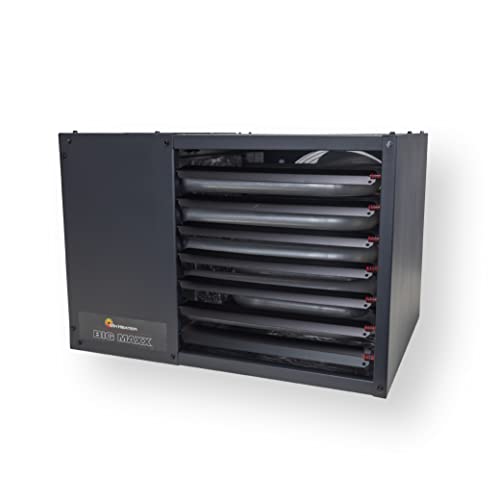
This Mr. Heater Big Maxx is a heavy-duty unit heater designed for garages, shops, or large spaces. The unit ships with two angle brackets and a liquid propane conversion kit, making it adaptable to LP use where allowed. It is rated for 80,000 BTU and a coverage area up to about 2,000 sq. ft.
Venting: The specification lists Category 1 vertical and Category 3 horizontal venting, indicating it is intended for installations that require positive exhaust through a flue or direct vent path. Thermostat, hose, and regulator are not included, and the unit requires a minimum 8 ft. clearance from the floor to base of unit for safe installation. Electrical: 120 V, 2.3 amps.
Key features to note: includes LP conversion, suitable for large spaces, and specified venting categories that guide professional installation and exhaust routing.
VELPAX 4.74 GPM Propane Tankless Water Heater

Call 888-896-7031 for Free Local HVAC Quotes – Compare and Save Today!
The VELPAX tankless water heater is designed exclusively for propane (LPG) and emphasizes on-demand hot water with up to 4.74 GPM and 68,000 BTU output. It supports low water pressure operation (3.6 PSI) and digital temperature control between 95°F and 149°F.
Safety & Exhaust: The unit lists multiple safety protections—flame failure device, anti-freeze, and overheat protection—typical for indoor propane water heaters. Indoor installation normally requires compliant venting per local codes; this model’s features suggest it must be installed with appropriate venting or exhaust termination by a qualified technician.
Construction highlights include a stainless steel exterior and oxygen-free copper water tank for corrosion resistance. The unit aims to serve 2–3 simultaneous points of use with steady temperature control.
EZ Supreme 6.4 GPM Tankless Propane Water Heater
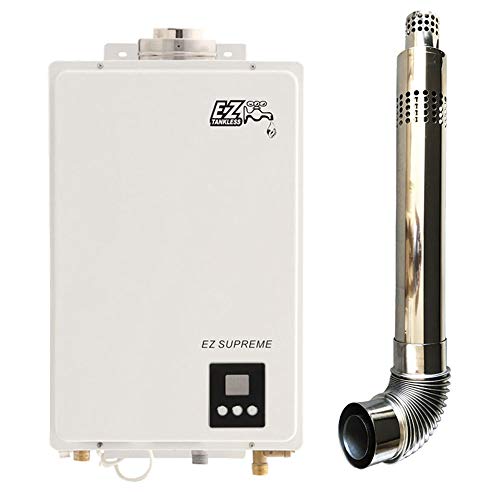
The EZ Supreme is a high-capacity indoor propane tankless unit rated at 165,000 BTU and up to 6.4 GPM, marketed for whole-home use. It lists an LCD control panel and constant temperature settings for user control.
Exhaust: A notable point is that this model includes direct vent exhaust, which facilitates safe combustion air intake and flue gas discharge when installed per manufacturer instructions. Direct venting reduces indoor combustion air contamination by isolating combustion from living spaces.
Call 888-896-7031 for Free Local HVAC Quotes – Compare and Save Today!
Ideal for homes needing high flow and continuous hot water, this unit’s BTU capacity supports multiple bathrooms. Professional installation and adherence to venting clearances and materials are important for safety and performance.
Dyna-Glo IR30PMDG-1 Infrared Wall Heater

The Dyna-Glo IR30PMDG-1 is a vent-free infrared wall heater that operates directly on liquid propane and provides variable output from 6,000 to 30,000 BTU. Infrared technology warms objects and occupants rather than primarily heating air.
Exhaust Consideration: This product is vent-free, meaning it does not use an exhaust flue. While vent-free heaters maximize fuel efficiency and simplify installation, they release combustion byproducts into the conditioned space. Local codes and indoor air quality considerations should guide use in occupied living spaces.
Use cases include supplemental heat in rooms where venting is impractical. Verify fuel type compatibility and follow manufacturer clearances and installation instructions.
Mr. Heater 30,000 BTU Vent Free Blue Flame Propane Heater

This Mr. Heater blue flame unit is a vent-free wall or space heater with a built-in blower and thermostat control. It offers heating coverage up to about 1,000 sq. ft. and uses a battery-powered electronic ignition for ease of starting.
Exhaust: As a vent-free appliance, it does not have exhaust piping. That makes installation simpler but places emphasis on proper room selection, ventilation strategies, and adherence to local codes concerning vent-free appliances.
Features include thermostat-based temperature control and a blower to circulate warmed air. Users should consider indoor air quality impacts and ensure adequate ventilation when choosing vent-free options.
Buying Guide: Choosing A Propane Heater With Exhaust
Vented vs Vent-Free: Understand The Difference
Vented/Exhausted Heaters (direct vent, forced flue, category 1/3) route combustion gases outside. They are preferred for indoor air quality and continuous operation in occupied spaces. Vented systems often require professional installation, clearances, and periodic vent inspections.
Vent-Free Heaters eliminate the need for exhaust piping but release combustion byproducts into the room. They can be efficient and easy to install but may be restricted by local building codes or unsuitable for poorly ventilated areas, sleeping areas, or for users with respiratory sensitivities.
Key Purchase Considerations
- Intended Use And Location: Whole-house hot water vs space heating vs workshop heating. Tankless water heaters with direct vent are for water needs; unit heaters are for large open spaces; wall or radiant heaters are for room heat.
- Venting Requirements: Confirm whether the model includes a direct vent/exhaust kit or requires separate venting materials. For Category-rated heaters, match vent materials and terminations to the category.
- BTU Capacity And Coverage: Size the heater to the space or load. Higher BTU is not always better—oversized heaters can short-cycle. For water heaters, match GPM and temperature rise to expected demand.
- Fuel Compatibility And Conversion: Some units ship for natural gas but include LP conversion kits. Verify conversion components and that conversion complies with local codes and manufacturer instructions.
- Safety Features: Look for flame failure devices, tip-over switches (for portable units), oxygen depletion sensors (for vent-free units), and overheat protection for tankless units.
- Installation And Professional Requirements: Vented and high-BTU appliances often require licensed installer hookup, gas line sizing, electrical supply, and inspection. Factor installation complexity and cost into the decision.
- Indoor Air Quality And Ventilation: If selecting a vent-free model, ensure adequate fresh air supply and consider CO/combustion gas monitoring. Vented appliances reduce indoor contaminants but need sealed vent runs.
- Maintenance And Serviceability: Consider ease of accessing components, recommended service intervals, and availability of replacement parts or service networks.
Comparison Perspectives
Performance Perspective: Direct vent tankless units like the EZ Supreme deliver high continuous heat/hot water capacity and maintain indoor air separation, supporting whole-home demands.
Safety Perspective: Vented appliances that exhaust outdoors reduce accumulation of combustion products; vent-free models require more attention to room ventilation and monitoring.
Cost & Installation Perspective: Vent-free and portable models typically cost less to install. Vented and high-BTU systems usually involve higher installation costs for flue materials and professional labor.
Regulatory Perspective: Local building codes vary: some jurisdictions restrict or ban vent-free appliances in certain rooms. Always check local regulations before purchase.
Tips for Getting the Best HVAC Prices
- Prioritize Quality Over Cost
The most critical factor in any HVAC project is the quality of the installation. Don’t compromise on contractor expertise just to save money. - Check for Rebates
Always research current rebates and incentives — they can significantly reduce your overall cost. - Compare Multiple Quotes
Request at least three estimates before making your choice. You can click here to get three free quotes from local professionals. These quotes include available rebates and tax credits and automatically exclude unqualified contractors. - Negotiate Smartly
Once you've chosen a contractor, use the proven strategies from our guide — How Homeowners Can Negotiate with HVAC Dealers — to get the best possible final price.
Checklist Before Buying
- Confirm the model’s exhaust/venting type and whether an exhaust kit is included.
- Match BTU/GPM capacity to space size or water demand.
- Verify fuel type and conversion details if switching between natural gas and propane.
- Plan for professional installation if the unit requires venting or high-BTU gas connection.
- Ensure required clearances, combustion air, and termination points are available at the location.