
Choosing the right propane shop heater for indoor use requires balancing heat output, safety features, and ventilation. The table below summarizes five reliable heaters suited for garages, workshops, and similar indoor spaces, emphasizing BTU range, type, and coverage.
| Product | Type | BTU Range | Coverage | Key Safety/Features |
|---|---|---|---|---|
| Mr. Heater MH60QFAV 60,000 BTU | Portable Forced Air | 30,000–60,000 | Large Shops | Quiet Burner Tech, Variable Output |
| Mr. Heater 4000–18000 BTU | Portable LP Tank Heater | 4,000–18,000 | Small To Medium Spaces | Dual Tank Connection, Piezo Ignition |
| OKF 6000–18000 BTU | Portable Propane Heater | 6,000–18,000 | Up To ~450 Sq.Ft | ODS & Tip-Over Protection, Pulse Ignition |
| Mr. Heater Portable Buddy MH9BX | Radiant Portable | 4,000–9,000 | Up To 225 Sq.Ft | Tip-Over Switch, Piezo Igniter |
| Mr. Heater 30,000 BTU Vent Free Radiant | Wall-Mounted Radiant | 30,000 | Up To 1,000 Sq.Ft | Infrared Radiant Heat, High Efficiency |
Content Navigation
- Mr. Heater MH60QFAV 60,000 BTU Portable Propane Forced Air Heater
- Mr Heater 4000 To 18000 BTU Portable LP Gas Heater
- OKF Propane Heater Indoor And Outdoor 6000 To 18000 BTU
- Mr. Heater Portable Buddy Heater MH9BX 4,000-9,000 BTU
- Mr. Heater 30,000 BTU Vent Free Radiant Propane Wall Heater
- Buying Guide: Choosing The Right Propane Shop Heater
Mr. Heater MH60QFAV 60,000 BTU Portable Propane Forced Air Heater

This forced-air propane heater delivers high-output heat suitable for larger garages and shops. The unit offers a variable output from 30,000 to 60,000 BTU and uses QBT (Quiet Burner Technology) to reduce noise compared to standard forced-air models. The features list includes runtime capability on a 20 lb tank at lower settings and compact dimensions for portability. Built-in controls allow output adjustment to match space size and task needs. Safety-oriented design elements include a high-temperature limit switch; however, adequate ventilation is recommended when operating indoors.
Mr Heater 4000 To 18000 BTU Portable LP Gas Heater
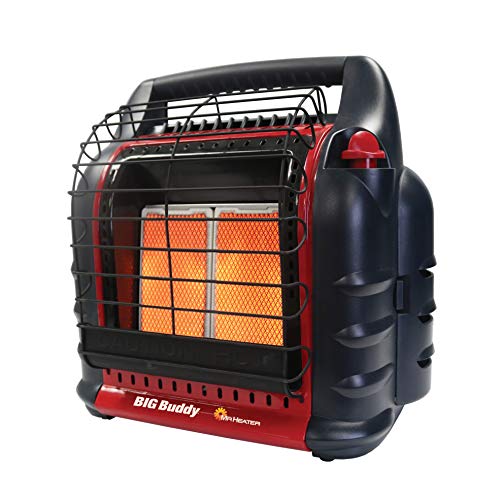
This versatile portable unit provides three heat settings (4,000, 9,000, 18,000 BTU) for small to medium shop spaces and can connect to larger propane tanks with an additional hose. It includes a single control knob with a piezo spark ignition and automatic safety shutoff for tip-over. The multi-setting design supports fuel-saving operation when full output isn’t necessary. Given portability and adjustable output, the unit is useful for workshops where localized spot heating and occasional relocation are common.
OKF Propane Heater Indoor And Outdoor 6000 To 18000 BTU

Call 888-896-7031 for Free Local HVAC Quotes – Compare and Save Today!
The OKF unit features pulse ignition for reliable starts and offers three heat modes (6k/12k/18k BTU). Built-in safeguards include an oxygen depletion sensor (ODS) and tip-over protection, which shut the unit off if ventilation is inadequate or it’s knocked over. The heater works with a standard 20 lb propane tank via a supplied regulator and hose. With specified coverage up to about 450 sq.ft, this model targets homeowners seeking a balance of portability, safety, and multi-mode flexibility for enclosed shop areas that allow proper combustion air.
Mr. Heater Portable Buddy Heater MH9BX 4,000-9,000 BTU
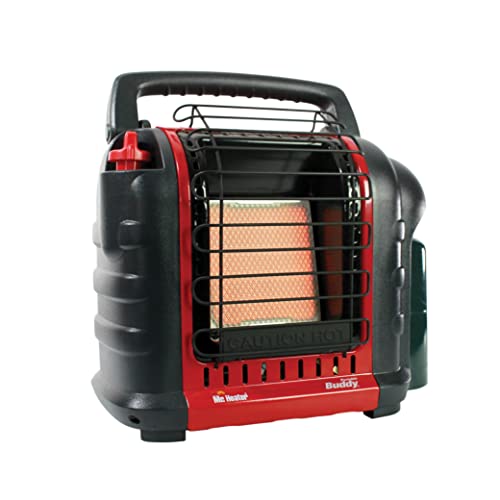
The Portable Buddy is a compact radiant propane heater ideal for small workshop zones or localized heating near a workbench. It offers adjustable output from 4,000 to 9,000 BTU and can heat spaces up to about 225 sq.ft. Safety enhancements include an improved tip-over switch that audibly engages if the unit is disturbed. The Piezo igniter enables match-free starts. This model emphasizes portability and direct radiant warmth, making it suitable for spot heating where quick, efficient warmth is required without heating an entire building.
Mr. Heater 30,000 BTU Vent Free Radiant Propane Wall Heater

This vent-free radiant wall heater uses advanced infrared technology to heat objects and people directly, similar to sunlight. With a steady 30,000 BTU output and high efficiency, it can supplement heat in cold rooms, additions, sunrooms, and enclosed shop areas that allow vent-free appliances. The unit consumes propane at a specified rate and requires a minimum 20 lb cylinder for maximum runtime. Because it operates vent-free, attention to room ventilation, local codes, and ODS requirements is essential when installed in indoor workspaces.
Buying Guide: Choosing The Right Propane Shop Heater
Selecting a propane heater for indoor shop use depends on space size, ventilation ability, safety features, and the type of heat delivery you need. The sections below cover the most important considerations.
Call 888-896-7031 for Free Local HVAC Quotes – Compare and Save Today!
Heat Output And Coverage
Determine the shop’s cubic footage, insulation level, and typical coldest temperature. Use BTU output to match needs: smaller benches and quick spot heating can use 4k–9k BTU units, while whole-shop heating often requires 30k–60k BTU forced-air or larger forced-air models. Choose variable-output models for flexibility.
Type Of Heat Delivery
- Radiant Heaters (infrared): Heat objects and people directly; efficient for spot heating and work areas where you want directed warmth.
- Forced-Air Heaters: Move warm air through the space; suitable for heating entire shops faster but may stir dust.
- Vent-Free Wall Heaters: High efficiency and no venting required, but require strict compliance with ODS and local codes.
Fuel and Tank Considerations
Confirm whether the unit runs on liquid propane (LP) or natural gas, and if conversion kits are allowed. Check recommended tank size and whether the unit supports auxiliary hoses or dual-tank connections for extended runtime. Larger tanks reduce refill frequency but affect portability.
Safety Features
- ODS (Oxygen Depletion Sensor): Shuts off fuel if oxygen falls below safe levels—important for enclosed shops.
- Tip-Over Switch: Automatically cuts fuel if the heater falls, critical in busy workshop environments.
- High-Temperature Limit Switch: Prevents overheating in forced-air units.
- Proper clearance requirements and installation instructions must be followed to reduce fire risk.
Ventilation And Indoor Use Compliance
Indoor propane combustion requires attention to ventilation and local building codes. Vent-free appliances may not be permitted in some jurisdictions or for certain room types. Always verify local regulations and ensure adequate fresh air supply when operating any combustion heater indoors.
Noise And Comfort
Forced-air units can produce more noise than radiant models. If constant quiet operation is needed, look for models with Quiet Burner Technology or lower fan speeds. Radiant heaters provide a “sun-like” warmth that many find more comfortable for direct tasks.
Portability And Installation
Consider whether the heater needs to be moved frequently. Portable units with integrated handles and optional connection to larger tanks offer flexibility. Wall-mounted vent-free models require fixed installation but save floor space.
Durability And Maintenance
Look for robust construction, replaceable parts (igniters, regulators), and easy-to-clean surfaces. Forced-air heaters may require occasional filter or blower maintenance, while radiant elements should be inspected for tile or burner wear.
Tips for Getting the Best HVAC Prices
- Prioritize Quality Over Cost
The most critical factor in any HVAC project is the quality of the installation. Don’t compromise on contractor expertise just to save money. - Check for Rebates
Always research current rebates and incentives — they can significantly reduce your overall cost. - Compare Multiple Quotes
Request at least three estimates before making your choice. You can click here to get three free quotes from local professionals. These quotes include available rebates and tax credits and automatically exclude unqualified contractors. - Negotiate Smartly
Once you've chosen a contractor, use the proven strategies from our guide — How Homeowners Can Negotiate with HVAC Dealers — to get the best possible final price.
Comparison Perspectives
- Small Work Areas: Portable radiant units (4k–9k BTU) are efficient for spot heating and lower fuel use.
- Medium Shops: Multi-setting portable LP heaters (6k–18k BTU) offer flexibility and safety features like ODS and tip-over switches.
- Large Garages: Forced-air propane heaters (30k–60k BTU) deliver whole-space heating faster, but require attention to ventilation and clearance.
- Permanent Installations: Vent-free wall heaters provide continuous, efficient heating if local codes allow and ODS is present.
Installation And Operational Tips
- Follow manufacturer clearances for walls, ceilings, and floor to prevent heat damage and fire hazards.
- Use only approved regulators, hoses, and fittings; replace worn parts per guidelines.
- Keep combustibles away from heater outlets; avoid placing heaters where dust accumulation could pose a fire risk.
- Install carbon monoxide alarms and ensure fresh-air pathways if using combustion heaters indoors.