
Short Overview: Choosing the right propane heater for a trailer requires balancing size, safety features, and ventilation. The table below summarizes five propane heater options suited for trailers, campers, and small mobile spaces so you can compare heating type, BTU range, and typical coverage at a glance.
| Product | Type | BTU Range | Coverage |
|---|---|---|---|
| Mr. Heater Portable Buddy MH9BX | Portable Radiant | 4,000–9,000 | Up To 225 Sq. Ft. |
| Mr. Heater MH9BX (Massachusetts/Canada) | Portable Radiant (certified) | 4,000–9,000 | Up To 225 Sq. Ft. |
| Mr. Heater 4000–18000 Dual Tank | Portable Radiant | 4,000 / 9,000 / 18,000 | Up To 450 Sq. Ft. |
| Mr. Heater MHVFBF20LPT Blue Flame Vent Free | Wall-Mount Blue Flame | 20,000 | Up To 700 Sq. Ft. |
| Dyna-Glo IR30PMDG-1 30,000 BTU | Infrared Vent Free Wall | 6,000–30,000 | Up To 1,000 Sq. Ft. |
Content Navigation
- Mr. Heater Portable Buddy Heater MH9BX
- Mr Heater MH9BX-Massachusetts/Canada Approved Portable Propane Heater
- Mr. Heater 4000 To 18000 BTU Portable LP Gas Heater Unit
- Mr. Heater MHVFBF20LPT 20,000 BTU Blue Flame Vent Free Propane Heater
- Dyna-Glo IR30PMDG-1 30,000 BTU Liquid Propane Infrared Vent Free Wall Heater
- Buying Guide: Choosing A Propane Heater For Your Trailer
- 1. Heater Type And Heat Delivery
- 2. BTU Output Vs. Trailer Size
- 3. Safety Features
- 4. Ventilation And Installation Constraints
- 5. Fuel Supply And Runtime
- 6. Ignition, Controls, And Usability
- 7. Certifications And Regional Compliance
- 8. Mobility, Storage, And Durability
- 9. Use-Case Comparisons
- 10. Maintenance And Long-Term Considerations
Mr. Heater Portable Buddy Heater MH9BX
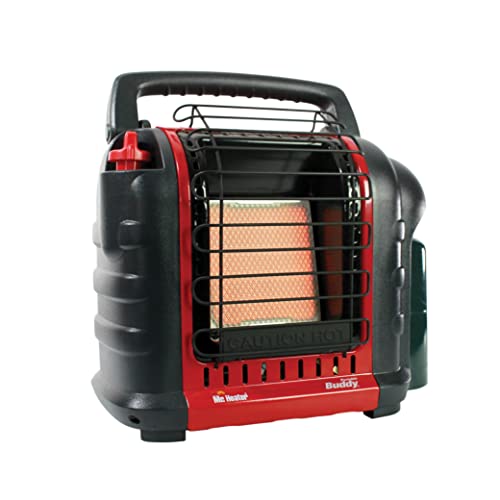
This compact radiant propane heater is designed for portable indoor-safe use in small spaces such as trailers and campers. It uses infrared-style radiant heat to warm objects and occupants directly rather than heating large volumes of air.
- Heating Output: Adjustable 4,000–9,000 BTU, suited for up to 225 sq. ft.
- Safety Features: Tip-over safety switch enhanced to audibly engage when disturbed; auto shutoff on unsafe conditions.
- Ignition: Piezo igniter for reliable match-free starts without batteries.
- Use Cases: Short-run heating for campsites, small trailers, or emergency supplemental heat where ventilation and safety allow.
Notes: Radiant units like this are efficient in small, occupied areas but require attention to ventilation and manufacturer placement guidelines when used in enclosed trailers.
Mr Heater MH9BX-Massachusetts/Canada Approved Portable Propane Heater
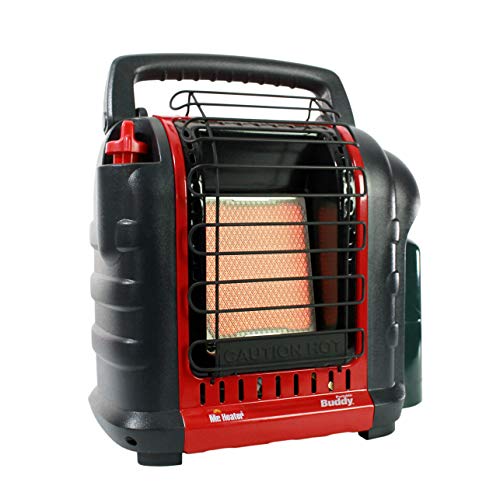
This variant of the MH9BX is certified for use in regions with specific regulatory requirements. The fundamentals mirror the standard portable Buddy model but include approvals that can matter for regional compliance in trailers and mobile dwellings.
Call 888-896-7031 for Free Local HVAC Quotes – Compare and Save Today!
- Heating Output: 4,000–9,000 BTU radiant heat, suitable for similar small spaces.
- Certifications: Approved for Massachusetts/Canada where applicable—relevant for users in regulated jurisdictions.
- Safety Systems: Auto shutoff for tip-over, pilot outage, and low-oxygen conditions noted in the product listing.
- Considerations: Certification differences may affect allowable indoor use in certain locales—verify local codes for trailer or RV installation.
Notes: For owners needing region-specific approvals, this model provides comparable performance with documentation that may ease compliance checks.
Mr. Heater 4000 To 18000 BTU Portable LP Gas Heater Unit
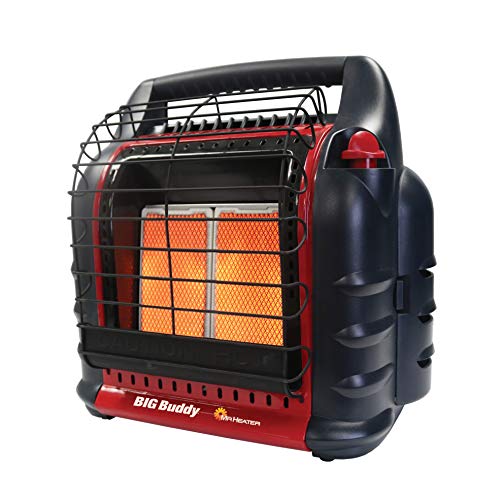
This model offers multiple heat settings and the option to connect a larger external tank for extended run time, making it a flexible choice for trailers that need higher output or multi-day heating during cold conditions.
- Heat Settings: 4,000, 9,000, or 18,000 BTU to match space size and fuel use preferences.
- Fuel Flexibility: Can operate with standard tanks and supports dual tank connection via an additional hose for longer service.
- Operation: Piezo ignition and single-control knob; automatic safety shutoff included for tip-over events.
- Coverage: Manufacturer lists up to 450 sq. ft. in optimal conditions at higher outputs.
Notes: The option for higher BTU output increases heating capacity for larger trailers or colder nights, but higher outputs consume more fuel and require careful attention to ventilation and CO/ODS safety systems.
Mr. Heater MHVFBF20LPT 20,000 BTU Blue Flame Vent Free Propane Heater
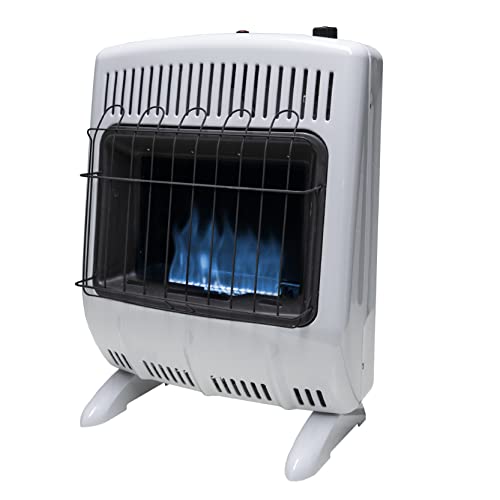
This wall-mount blue flame vent-free heater is designed to provide even room heating through convective and radiant transfer. It is targeted at fixed installations such as cabins, garages, or larger RVs where vent-free operation is permitted and adequate oxygen monitoring is in place.
Call 888-896-7031 for Free Local HVAC Quotes – Compare and Save Today!
- Output & Coverage: 20,000 BTU intended to heat rooms up to about 700 sq. ft., depending on insulation and conditions.
- Controls: Built-in thermostat and battery-powered electronic ignition for regulated operation.
- Safety: Factory-standard Oxygen Depletion Sensor (ODS) for automatic shutoff if oxygen levels drop.
- Installation: Fixed wall installation recommended; ventilation and local code compliance required for trailer or RV use.
Notes: Vent-free units can be effective in sealed spaces but must be evaluated against RV/trailer manufacturer recommendations and local codes due to indoor combustion byproducts.
Dyna-Glo IR30PMDG-1 30,000 BTU Liquid Propane Infrared Vent Free Wall Heater

This high-output infrared vent-free wall heater covers larger spaces by radiating heat to objects first, then warming surrounding air. It offers variable BTU control useful for adapting to changing trailer or workshop needs.
- Power Range: Variable output from 6,000 up to 30,000 BTU to match space heating demands.
- Heating Method: Infrared-style radiation warms surfaces and occupants directly.
- Coverage Potential: Manufacturer suggests capacity for up to 1,000 sq. ft. in optimal conditions at higher outputs.
- Application: Suited for larger mobile spaces or fixed installations where vent-free systems are approved.
Notes: Higher-BTU vent-free heaters deliver rapid warm-up but require careful monitoring of indoor air quality and strict observance of vent-free usage guidelines in trailers and RVs.
Buying Guide: Choosing A Propane Heater For Your Trailer
When choosing a propane heater for a trailer or camper, prioritize safety, compatibility, and practical performance. This guide highlights the most important considerations and offers comparison perspectives to match heaters to common trailer scenarios.
1. Heater Type And Heat Delivery
Radiant/Infrared Portable Heaters: Heat people and objects directly, quick to feel warm, efficient for localized heating in trailer living areas. Good for short-term or spot heating.
Blue Flame / Vent-Free Wall Heaters: Produce convective and radiant heat to warm a room evenly. Suitable for longer-term whole-space heating if vent-free operation is permitted by trailer manufacturer and local code.
2. BTU Output Vs. Trailer Size
Match BTU capacity to your trailer’s insulated volume. Small trailers (100–250 sq. ft.) often work with 4,000–9,000 BTU units. Larger trailers or colder conditions may need 12,000–20,000+ BTU. Higher BTU increases fuel consumption and ventilation needs.
3. Safety Features
- Tip-Over Shutoff: Essential for portable units in mobile environments subject to movement.
- Oxygen Depletion Sensor (ODS): Required on many vent-free indoor heaters to prevent unsafe low-oxygen conditions.
- Carbon Monoxide Awareness: Any combustion heater requires CO detection—install a certified CO detector in the trailer.
4. Ventilation And Installation Constraints
Trailers and RVs often have specific rules about vent-free appliances. Confirm manufacturer recommendations and local codes before installing a vent-free wall heater. Portable units require adequate fresh air and proper placement away from flammable materials.
5. Fuel Supply And Runtime
Consider whether the heater will run from a standard small propane cylinder or a larger external tank. Dual-tank or external connections increase runtime but add complexity. Calculate estimated fuel burn at chosen BTU setting to plan supply.
6. Ignition, Controls, And Usability
Piezo and electronic ignitions offer reliable, battery-free or battery-assisted starts. Thermostatic control improves comfort and reduces fuel use for fixed installations. Simple knob controls are common on portable units for quick adjustments.
7. Certifications And Regional Compliance
Some models offer regional approvals (e.g., Massachusetts/Canada). If compliance matters for local regulations or trailer registration, choose certified models and retain documentation.
8. Mobility, Storage, And Durability
Portable heaters should be compact, have a stable base, and include handles or brackets for secure storage during transit. Durable construction withstands vibration and repeated setup in mobile use.
9. Use-Case Comparisons
- Short-Term Camping In Cold Weather: Portable radiant heaters (4,000–9,000 BTU) are efficient for warming occupants quickly and conserving fuel when space is small.
- Extended Stay Or Larger Trailer: Fixed vent-free blue flame or higher-BTU infrared wall units provide more uniform heating but require compliance checks and oxygen monitoring.
- Workshops Or Outdoor Utility Trailers: Higher-output portable units or wall-mounted solutions with ventilation may be preferable for rapid temperature recovery when doors open frequently.
10. Maintenance And Long-Term Considerations
Inspect hoses, fittings, and O-rings regularly for leaks. Keep the burner and ignition areas clean. Replace CO detectors and ODS sensors per manufacturer guidance. Plan for seasonal maintenance and winterization of propane systems in trailers.
Final Tip: Balance the heater type, BTU, and safety features against your specific trailer size, ventilation capability, and local regulations. Proper installation, safety devices, and routine checks will maximize both performance and safe operation.
Tips for Getting the Best HVAC Prices
- Prioritize Quality Over Cost
The most critical factor in any HVAC project is the quality of the installation. Don’t compromise on contractor expertise just to save money. - Check for Rebates
Always research current rebates and incentives — they can significantly reduce your overall cost. - Compare Multiple Quotes
Request at least three estimates before making your choice. You can click here to get three free quotes from local professionals. These quotes include available rebates and tax credits and automatically exclude unqualified contractors. - Negotiate Smartly
Once you've chosen a contractor, use the proven strategies from our guide — How Homeowners Can Negotiate with HVAC Dealers — to get the best possible final price.