
Quick Overview: This guide compares five popular PTC ceramic space heaters suited for bedrooms, offices, and small living areas. Each model emphasizes fast heating, safety features, and adjustable thermostats to balance comfort and energy use.
| Product | Brand | Key Feature |
|---|---|---|
| Dreo Space Heater | Dreo | 1500W PTC, precise 1°F thermostat |
| 1500W PTC Electric Heater | Aikoper | 3 heat settings + fan-only |
| VOCRS 1500W PTC Heater | VOCRS | Remote + 1–12 hour timer |
| JIBUFI 1500W PTC Heater | JIBUFI | 70° rotation and ECO mode |
| WINHL 17 Inch Heater | WINHL | Thermostat + 70° oscillation |
Content Navigation
- Dreo Space Heater
- 1500W Electric Heater Indoor Portable
- VOCRS 1500W PTC Portable Heater
- JIBUFI 1500W PTC Heater With Oscillation
- WINHL 17-Inch PTC Ceramic Heater
- Buying Guide: How To Choose A PTC Space Heater
- Heating Power And Room Size
- Thermostat And Temperature Control
- Modes And Flexibility
- Safety Features
- Oscillation And Heat Distribution
- Controls And Convenience
- Noise Level
- Energy Efficiency And Operating Cost
- Build Size, Portability, And Placement
- Safety For Specific Environments
- Comparison Perspectives
- Maintenance And Longevity
Dreo Space Heater

The Dreo unit combines a 1500W advanced PTC system with a heat funnel design to accelerate warm-air delivery and increase coverage compared to conventional heaters. It features an NTC chipset for thermostat control with a wide range from 41–95°F and 1°F increments, enabling precise temperature targeting.
Safety features include a tilt-detection sensor, V0 flame-retardant materials, overheat protection, and an ETL-certified safety plug. Controls offer digital display, remote operation, and a 12-hour timer. The product is positioned for users prioritizing precision temperature management and enhanced safety certifications.
1500W Electric Heater Indoor Portable
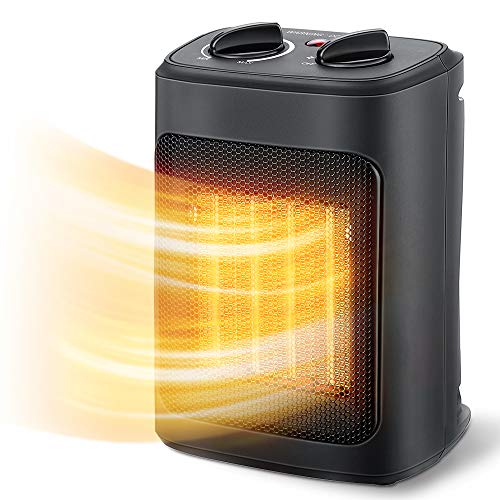
This Aikoper model uses PTC ceramic heating combined with an efficient fan to warm rooms quickly. It offers three heat settings (Low/Med/High) and a fan-only mode for year-round use. The adjustable thermostat monitors room temperature and cycles the unit to maintain comfort.
Call 888-896-7031 for Free Local HVAC Quotes – Compare and Save Today!
Design focus is on energy efficiency for targeted space heating rather than whole-house warming. Controls are straightforward, making this a candidate for users who want simple settings and the option of using the fan without heat during warmer months.
VOCRS 1500W PTC Portable Heater

The VOCRS unit provides three power levels (700/1000/1500W), a clear digital display, and remote control for distance operation. It includes a 1–12 hour timer for automated shutoff, supporting energy savings and overnight use.
Remote control convenience and multiple timer settings make this model suitable for users who want to start or stop heating from across the room. Safety and standard PTC benefits are included, with modes that accommodate different comfort needs and schedules.
JIBUFI 1500W PTC Heater With Oscillation

JIBUFI’s heater emphasizes rapid warmth with 1500W output and a 70° wide-angle oscillation to distribute heat across a broader area. The unit supports an ECO mode that self-regulates temperature for efficiency and an enhanced safety plug and flame-retardant materials.
Call 888-896-7031 for Free Local HVAC Quotes – Compare and Save Today!
It is designed for coverage up to approximately 200 sq ft, making it applicable to bedrooms, small living rooms, or garages. The oscillation feature benefits users who want consistent distribution without repositioning the heater.
WINHL 17-Inch PTC Ceramic Heater

The WINHL 17-inch heater combines a PTC ceramic element with a high-performance fan and smart thermostat control to adjust power output based on room temperature. It provides three adjustable power levels—700W, 1000W, and 1500W—and a 70° oscillation function.
Remote control and a 12-hour timer add convenience. The thermostat automates output to maintain set temperature, appealing to users seeking consistent, hands-off operation. The larger cabinet may provide quieter airflow and broader distribution in small to medium rooms.
Buying Guide: How To Choose A PTC Space Heater
This buying guide covers the most relevant factors when selecting a PTC space heater for indoor use. Considerations include heating capacity, safety features, control options, size and portability, energy efficiency, noise, and intended room type.
Heating Power And Room Size
Most portable PTC heaters in this comparison are rated around 1500W, which is adequate for heating single rooms up to roughly 150–200 sq ft depending on insulation and ceiling height. Choose lower wattage (500–1000W) for desk or personal use; choose 1500W for small living rooms or bedrooms. Match capacity to room size to avoid under- or over-sizing.
Thermostat And Temperature Control
A precise thermostat helps maintain comfort while reducing runtime. Models with digital thermostats and fine increments (for example, 1°F steps) provide more accurate temperature control and energy savings. Mechanical dials are simpler but less precise.
Modes And Flexibility
- Multiple Heat Levels: Allow adjustable power use (e.g., 700/1000/1500W) to adapt to varying needs.
- Fan-Only Mode: Extends utility into warmer seasons for ventilation without heating.
- Timers and ECO Modes: Reduce energy use and can automate shutoff overnight or while away.
Safety Features
Look for tip-over protection, overheat protection, and flame-retardant materials. ETL or UL certification indicates independent safety testing. A tilt sensor and a safety plug are standard on higher-end models and reduce risk in households with pets or children.
Oscillation And Heat Distribution
Oscillation (e.g., 30°–70°) spreads warm air across a wider area and reduces hot spots. This can be especially useful when heating shared spaces or when the heater is positioned in a corner. Stationary units may create a concentrated warm zone, ideal for targeted spot heating.
Controls And Convenience
Remote controls, digital displays, and app or voice compatibility enhance convenience. Remote operation is useful when the heater is placed away from seating areas. Manual controls are simpler but require direct access.
Noise Level
Consider fan noise if you plan to use the heater in a bedroom or home office. Models with efficient airflow designs often run quieter; manufacturers sometimes list decibel levels—look for units that advertise lower noise if quiet operation is important.
Energy Efficiency And Operating Cost
PTC heaters heat quickly and can be more energy-efficient than space heaters with older element types because they self-regulate as they warm. Use thermostats, timers, and ECO modes to minimize runtime. For ongoing cost control, heat the rooms you use and lower central heating where practical.
Build Size, Portability, And Placement
Compact models are best for desk or under-desk use. Taller or wider cabinets typically house larger fans and may distribute heat more evenly. Consider integrated handles, weight, and footprint for moving between rooms.
Safety For Specific Environments
- Bedrooms: Prioritize models with timers, overheat protection, and low noise.
- Offices: Choose units with quick warm-up and fan-only modes for year-round use.
- Smaller Spaces & Dorms: Compact units with tip-over protection and a lower wattage option work well.
Comparison Perspectives
When comparing models, weigh precision versus simplicity. Units like Dreo prioritize precise digital thermostats and certifications, while options such as Aikoper focus on straightforward controls and fan-only versatility. VOCRS and WINHL add timed operation and remote convenience, and JIBUFI emphasizes oscillation for broader coverage.
Also compare certification and testing histories for safety assurance, and check whether a model emphasizes flame-retardant materials, tip-over sensors, or enhanced plugs—these differences matter in homes with pets or children.
Maintenance And Longevity
PTC elements generally require minimal maintenance; keep intake and outlet grilles clear of dust and obstructions. Regularly check the cord and plug for wear. For longevity, avoid continuous high-power operation and use thermostats or timers to reduce continuous cycle stress.
Use the factors above to match a heater to your room size, safety preferences, and desired control features. Inspect product specifications and certification labels to confirm the model meets your priorities.
Tips for Getting the Best HVAC Prices
- Prioritize Quality Over Cost
The most critical factor in any HVAC project is the quality of the installation. Don’t compromise on contractor expertise just to save money. - Check for Rebates
Always research current rebates and incentives — they can significantly reduce your overall cost. - Compare Multiple Quotes
Request at least three estimates before making your choice. You can click here to get three free quotes from local professionals. These quotes include available rebates and tax credits and automatically exclude unqualified contractors. - Negotiate Smartly
Once you've chosen a contractor, use the proven strategies from our guide — How Homeowners Can Negotiate with HVAC Dealers — to get the best possible final price.