
Quiet kerosene heaters are ideal for garages, workshops, basements, and emergency backup heat. This guide compares reliable models that emphasize low noise, efficient burning, and indoor safety features. The table below gives a quick overview of selected quiet kerosene heaters so you can compare capacities, run times, and suitability at a glance.
| Product | BTU / Coverage | Fuel Capacity / Run Time | Key Quiet / Safety Feature |
|---|---|---|---|
| SUNFIRE Radiant Heater – SF80 | 80,000 BTU / Up to 1,900 sq ft | 6 gal / ~10 hours | Radiant heat, low odor, quieter than torpedo heaters |
| Dyna-Glo WK24BK Convection | 23,800 BTU / Up to 1,000 sq ft | Smaller tank / typical multi-hour runtime | No electricity required; convection design |
| Sengoku 23,500 BTU Portable | 23,500 BTU / Up to 1,000 sq ft | 1.9 gal / Up to 12 hours | Cordless with safety shut-off; EZ flame adjuster |
| Sengoku 10,000 BTU CTN-110 | 10,000 BTU / Up to 400 sq ft | 1.2 gal / Up to 14 hours | Compact, long runtime, tip-over shutoff |
| Sengoku HeatMate HMC-23K | 23,500 BTU / Up to 1,000 sq ft | 1.9 gal / Up to 12 hours | Automatic shut-off, protective grills |
Content Navigation
SUNFIRE Radiant Heater – 80,000 BTUs

This SunFire radiant heater is designed for large indoor or semi-covered spaces where quiet, odor-free heat is important. The unit burns fuel cleanly to minimize fumes and smell, making it more suitable for enclosed workspaces than many torpedo-style heaters.
Key features include no smell & no fumes claims based on high combustion efficiency. With an 80,000 BTU output, the model can heat up to about 1,900 square feet. A 6-gallon tank and flow rates of ~0.56–0.58 GPH deliver approximately 10 hours of continuous run time depending on fuel and conditions.
The radiant design produces quieter operation compared with forced-air torpedo heaters because heat is emitted directly rather than driven by a loud fan. Installation and ventilation guidelines should be followed closely for safe indoor use, and the unit is intended for shop, garage, or jobsite environments where larger, quieter radiant heat is required.
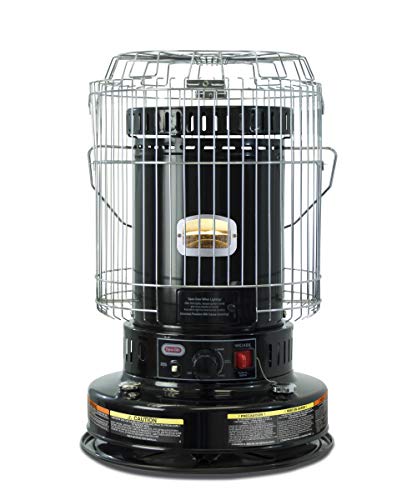
Dyna-Glo WK24BK 23,800 BTU Convection Heater
Call 888-896-7031 for Free Local HVAC Quotes – Compare and Save Today!
The Dyna-Glo WK24BK is a convection-style kerosene heater that operates without electricity. Convection heaters typically produce less mechanical noise than forced-air units because they rely on natural air movement rather than fans.
Rated at about 23,800 BTU, this heater is marketed to heat up to 1,000 square feet. The design is intended for indoor use where electricity isn’t available or desired, such as garages and workshops. The lack of a fan reduces noise, and combustion efficiency helps contain odors when used with proper ventilation and maintenance.
Convection kerosene heaters should be placed with clearance and monitored for proper ventilation. Safety features vary by model; check for tip-over sensors and shut-offs, and follow local indoor fuel-burning regulations when operating.
Sengoku 23,500 BTU Portable Cordless Heater

This Sengoku (KeroHeat) model delivers approximately 23,500 BTU and targets up to 1,000 square feet. It’s a cordless kerosene heater with a push-button start and an EZ Flame adjuster for quick lighting without matches or external power.
Noise levels are generally low due to a design that does not incorporate high-speed blowers. The heater includes safety elements such as tip-over shut-off, protective grills, and automatic safety shut-off. Fuel capacity of 1.9 gallons supports up to about 12 hours of operation depending on settings.
Call 888-896-7031 for Free Local HVAC Quotes – Compare and Save Today!
For indoor use, the unit emphasizes safety and ease of use. Proper ventilation and adherence to the manufacturer’s instructions are important to manage combustion byproducts. The cordless start and flame adjust features are useful in low-utility scenarios while maintaining relatively quiet operation.
Sengoku Portable 10,000 BTU CTN-110

The Sengoku CTN-110 is a compact 10,000 BTU kerosene heater suitable for smaller rooms up to about 400 square feet. Its smaller burner and absence of a fan make it a quiet choice for bedrooms, offices, and emergency heating situations.
With a 1.2-gallon tank, the heater can run for extended periods—manufacturer claims indicate up to about 14 hours on a fill depending on settings. The CTN-110 includes automatic shut-off, tip-over protection, and a protective guard to enhance indoor safety.
This model targets portable, low-noise heating where modest output is sufficient. It’s suited to users seeking long runtime per fill with reduced operational noise and straightforward safety features for indoor use.
Sengoku HeatMate HMC-23K 23,500 BTU
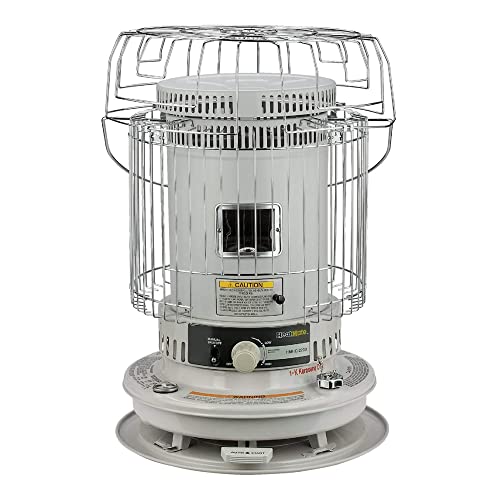
The HeatMate HMC-23K is designed as a cordless kerosene heater for spaces up to 1,000 square feet. At about 23,500 BTU output and a 1.9-gallon tank, it’s positioned as a mid-power option with relatively quiet operation compared with fan-forced alternatives.
Safety features include automatic shut-off and tip-over protection, plus protective grills around the burner. The unit emphasizes portability and ease of use, with push-button ignition and flame control to regulate heat output without electric power.
For users prioritizing lower noise, the absence of a blower and the controlled combustion system reduce operational sound. As with any indoor kerosene heater, ensure adequate ventilation and follow the safety recommendations in the manual to limit fumes and carbon monoxide risks.
Buying Guide: How To Choose A Quiet Kerosene Heater
Choosing a kerosene heater that is both quiet and safe requires balancing heat output, fuel efficiency, safety features, and intended use location. The sections below highlight key considerations to guide your choice.
Noise Level And Heater Type
Radiant vs. Convection vs. Forced-Air: Radiant heaters warm objects and people directly and generally run quieter because they rely less on fans. Convection units move air slowly and tend to be quieter than forced-air models. Forced-air (torpedo) heaters use fans that increase noise and are less desirable if low noise is a top priority.
Combustion Efficiency And Odor Control
Cleaner Combustion: Models that claim high combustion efficiency produce fewer fumes and less odor. Look for descriptions like “burns fuel cleanly” or manufacturer notes on low odor. Proper fuel (clean kerosene) and maintenance reduce smell.
Safety Features
- Automatic Shut-Off: Shuts the unit off if it overheats or if the flame is extinguished.
- Tip-Over Switch: Prevents fire if the heater is knocked over.
- Protective Grills: Keeps users and pets from touching hot components.
- CO Monitoring: While some units don’t include CO sensors, using a separate carbon monoxide detector is recommended for any indoor kerosene heater.
Fuel Capacity And Run Time
Choose a tank size that matches how long you want continuous heat. Smaller 1.2–1.9 gallon tanks provide portability and long runtime for lower-output models; larger tanks (6+ gallons) are better for prolonged jobsite heating. Runtime estimates depend on burn rate and BTU setting.
BTU Output And Coverage
Match BTU output to room size. Low-output units (10,000 BTU) target small rooms; mid-range (23,000–24,000 BTU) works for garages and medium spaces; high-output radiant or industrial units handle large workshops. Higher BTU often means a larger burner and potentially more ventilation needs.
Indoor Suitability And Ventilation
Even quiet, low-odor units require proper ventilation for safe indoor use. Ensure your space meets clearance recommendations and that you operate a CO detector and adequate air exchange when running a kerosene heater indoors.
Ignition, Controls, And Portability
Look for push-button ignition or easy-start systems if you need cordless operation. Flame-adjust controls let you tune heat output and can help optimize noise and fuel use. Weight, handle placement, and tank shape affect portability if you move the heater between spaces.
Maintenance And Fuel Quality
Regular cleaning of burners and fuel lines keeps combustion efficient and quiet. Use recommended kerosene grades and avoid contaminated or old fuel to reduce odors and soot buildup. Check manufacturer maintenance intervals and parts availability.
Comparison Perspectives
- Quietest Operation: Favor radiant or smaller convection units that lack high-speed fans.
- Best For Large Spaces: Radiant industrial heaters deliver strong heating with quieter operation versus equivalent forced-air torpedo heaters.
- Best For Small Rooms: Compact 10,000 BTU models offer long runtime and low sound for bedrooms or offices.
- Safety-First Option: Choose units with multiple automatic shut-offs and protective grills and always use a CO alarm for indoor setups.
- Best Portability: 1.2–1.9 gallon models balance runtime and weight for easy relocation.
Use the above factors to weigh trade-offs between noise, heat output, runtime, and safety. Quiet performance often correlates with heater type and combustion efficiency rather than brand alone.
Tips for Getting the Best HVAC Prices
- Prioritize Quality Over Cost
The most critical factor in any HVAC project is the quality of the installation. Don’t compromise on contractor expertise just to save money. - Check for Rebates
Always research current rebates and incentives — they can significantly reduce your overall cost. - Compare Multiple Quotes
Request at least three estimates before making your choice. You can click here to get three free quotes from local professionals. These quotes include available rebates and tax credits and automatically exclude unqualified contractors. - Negotiate Smartly
Once you've chosen a contractor, use the proven strategies from our guide — How Homeowners Can Negotiate with HVAC Dealers — to get the best possible final price.