
Looking For A Quiet Propane Heater That Balances Warmth, Safety, And Low Noise? This Guide Compares Five Propane Heaters Designed For Reduced Sound Levels And Reliable Performance In Garages, Workshops, Job Sites, Patios, And Small Indoor Spaces. Below Is A Quick Comparison Table To Help You Scan Key Specs Before The Full Reviews.
| Product | Type | BTU Range | Notable Quiet Feature |
|---|---|---|---|
| Mr. Heater Portable Buddy MH9BX | Radiant Portable | 4,000–9,000 | Radiant heat, no fan |
| Gasland MHA18BN Propane Radiant Heater | Cabinet Radiant | 18,000 | Cabinet design, low moving parts |
| Mr. Heater MH170QFAVT Quiet Forced Air | Forced Air / Job Site | 125,000–170,000 | Quiet Burner Technology |
| Mr. Heater 125,000 BTU F271390 | Forced Air | 125,000 | Quiet Burner Technology |
| Dyna-Glo IR30PMDG-1 Infrared Wall Heater | Infrared Vent-Free Wall | 6,000–30,000 | Infrared radiant, no fan |
Content Navigation
Mr. Heater Portable Buddy Heater MH9BX
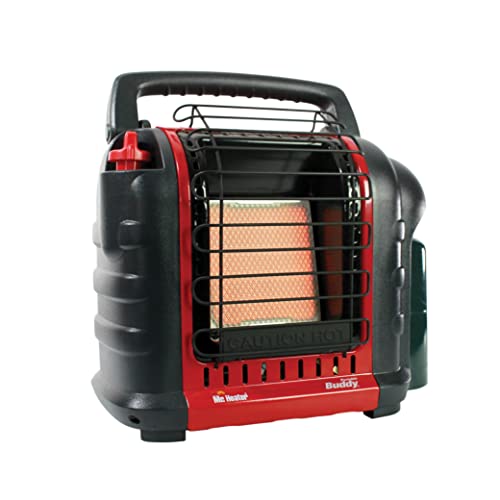
Type: Portable Radiant Propane Heater. Noise Profile: Very low — radiant units produce minimal operational noise because they do not use a fan.
This unit Uses advanced infrared technology To Radiate Heat Directly To People And Objects, Offering 4,000–9,000 BTU Adjustable Output Suitable For Small Spaces Up To 225 Sq. Ft. The Piezo Igniter Provides Match-Free Startup, And The Heater Includes Enhanced Tip-Over Safety That Emits A Noticeable Click When Engaged.
Because It Operates As A Radiant Heater Without A Fan, The Heater’s Sound Output Is Limited To The Ignition Click And Any Minor Expansion/noise From Heating Elements — Making It A Good Choice Where Low Noise Is Important And Portable, Localized Warmth Is Desired.
Gasland MHA18BN Propane Radiant Heater

Call 888-896-7031 for Free Local HVAC Quotes – Compare and Save Today!
Type: Cabinet Radiant Propane Heater. Noise Profile: Low — cabinet design with internal tank mounting and no blower reduces mechanical sounds.
The Gasland Cabinet Heater Produces 18,000 BTU Of Radiant Heat, Designed For Garages, Workshops, And Ventilated Enclosed Areas Up To Approximately 450 Sq. Ft. It Emphasizes Built-In Safety Including Tip-Over And Low-Oxygen Shutoff. The Tank Housed Inside The Cabinet Reduces Trip Hazards And Keeps The Unit Streamlined.
Because It Requires No Electrical Power Or Fan, Operational Noise Is Limited To Combustion Sounds, Which Are Typically Low For Radiant Cabinet Heaters. The Included LP Regulator Hose And Mobile Design Make It Practical For Work Areas Where Quiet, Direct Heat Is Preferred.
Mr. Heater MH170QFAVT Quiet Forced Air Heater

Type: High-Output Forced Air Propane Heater. Noise Profile: Reduced noise — features Quiet Burner Technology that operates up to roughly 50% quieter than standard forced-air units.
This Heavy-Duty Unit Delivers 125,000–170,000 BTU To Heat Very Large Spaces — Suitable For Large Job Sites, Garages, And Outdoor Events. It Balances High Output With Sound Reduction Through Burner Design Improvements And Solid Construction To Lower Combustion-Related Noise.
Call 888-896-7031 for Free Local HVAC Quotes – Compare and Save Today!
Safety Features Include Thermoelectric Valves And A High-Temperature Limit Switch. For Applications Requiring Powerful Heat With Less Disruptive Noise (Compared To Traditional Forced-Air Heaters), This Model Focuses On Delivering Higher BTUs With A Quieter Work Environment.
Mr. Heater 125,000 BTU Forced Air Propane Heater F271390

Type: Forced Air Propane Heater. Noise Profile: Lower than standard forced-air models because of Quiet Burner Technology.
This Model Is Intended For Large Ventilated Areas, Delivering 125,000 BTU With A Included 10-Foot Hose And Regulator. It Incorporates A High-Temperature Limit Switch For Safety And Claims To Be Approximately 50% Quieter Than Comparable Units That Use Conventional Burner Assemblies.
Reduced Noise Is Especially Relevant For Job Sites Or Workshops Where Worker Communication Is Necessary. While forced-air heaters still generate airflow-related sound, the quieter burner design reduces disruptive combustion noise compared To Older Designs.
Dyna-Glo IR30PMDG-1 30,000 BTU Infrared Vent Free Wall Heater

Type: Infrared Vent-Free Wall Heater. Noise Profile: Very low — infrared radiant heating without fans yields minimal operational noise.
This Wall-Mountable Infrared Heater Offers Variable Output From 6,000 To 30,000 BTU/hr And Radiant Heat That Warms Objects And People First Rather Than Air. Because It Is Vent-Free And Lacks A Fan, Ongoing Sound Is Limited To The Burner’s Combustion Signature, Typically Quiet For Infrared Units.
Its Design Is Intended For Continuous, Quiet Comfort In Living Areas Or Garages Where Minimal Background Noise And Direct Radiant Heat Are Desired. Note That Installation Requirements And Local Codes For Vent-Free Appliances Should Be Reviewed Before Purchase.
Buying Guide: How To Choose A Quiet Propane Heater
Selecting A Quiet Propane Heater Requires Balancing Noise Level, Heat Output, Installation, And Safety Features. Below Are Key Considerations To Compare Models Across Different Use Cases.
Noise And Heating Technology
- Radiant/Infrared Heaters: Typically Produce The Least Noise Because They Lack Fans. Ideal For Small Rooms, Garages, And Pocket Heating Where Quiet Operation Matters.
- Forced-Air Heaters: Provide Higher BTUs For Large Spaces But Usually Produce More Sound Due To Airflow. Look For Models With Quiet Burner Technology Or Sound-Dampening Design To Reduce Noise.
- Cabinet Heaters: Enclosed Designs Can Muffle Mechanical Sounds; Good For Workshops Where Mobility And Moderate Noise Reduction Are Needed.
Size, Output, And Coverage
- Match BTU Output To Space Size. Small Rooms: 4,000–9,000 BTU Radiant Units. Medium Garages: 18,000–30,000 BTU. Large Job Sites: 100,000+ BTU Forced-Air Units.
- Consider Heat Distribution — Radiant Heaters Heat Objects And People Directly, While Forced-Air Units Heat Air Faster Over Large Volumes.
Safety Features
- Tip-Over Shutoff: Essential For Portable Units To Prevent Accidents.
- Low-Oxygen/CO Safety: Some Units Include Low-Oxygen Shutoff Or Require Proper Ventilation; Ensure The Unit Is Rated For Intended Use (Indoor vs Outdoor).
- Thermoelectric Or High-Temperature Limits: Important For High-Output Forced-Air Heaters.
Installation And Ventilation
- Vent-Free Wall Heaters: Provide Quiet, Continuous Heat But Must Meet Local Codes And Room Ventilation Requirements.
- Portable Cabinet Or Buddy Heaters: Require Adequate Ventilation And Should Be Used According To Manufacturer Guidelines For Indoor Safety.
- Forced-Air Job-Site Heaters: Often Designed For Outdoor Or Well-Ventilated Spaces; Check Clearances And Exhaust Requirements.
Power Source And Portability
- Propane Cylinder Compatibility: Confirm Tank Size And Regulator/Hose Compatibility For The Intended Use.
- Mobility Features: Wheels, Handles, And Enclosed Tank Storage Improve Portability And Safety.
Durability And Build Quality
- For Worksites, Look For Rugged Construction, Corrosion-Resistant Finishes, And Durable Handles Or Frames.
- Indoor Models Benefit From Clean, Compact Design And Stable Footprints.
Maintenance And Noise Over Time
- Periodic Maintenance (Cleaning Burners, Checking Hoses/Regulators) Can Prevent Increased Noise From Debris Or Wear.
- Forced-Air Units With Fans May Require More Maintenance To Keep Noise Low Compared To Fanless Radiant Units.
Comparison Perspectives
- Quietest Option: Fanless Radiant Or Infrared Units (Mr. Heater Portable Buddy, Dyna-Glo Infrared) For Minimal Operational Noise.
- Best For Large Spaces With Lower Noise: Forced-Air Models With Quiet Burner Tech (Mr. Heater MH170QFAVT, F271390) Provide High Output While Reducing Combustion Noise.
- Best Mobile Workshop Heater: Cabinet Radiant Units (Gasland MHA18BN) Combine Mobility, Enclosed Tank Storage, And Lower Mechanical Noise.
When Choosing, Prioritize The Type Of Heat (Radiant Vs Forced-Air), The Required Coverage Area, And Built-In Safety Features. Review Local Codes For Vent-Free Appliances And Ensure Proper Ventilation For Indoor Use.
Tips for Getting the Best HVAC Prices
- Prioritize Quality Over Cost
The most critical factor in any HVAC project is the quality of the installation. Don’t compromise on contractor expertise just to save money. - Check for Rebates
Always research current rebates and incentives — they can significantly reduce your overall cost. - Compare Multiple Quotes
Request at least three estimates before making your choice. You can click here to get three free quotes from local professionals. These quotes include available rebates and tax credits and automatically exclude unqualified contractors. - Negotiate Smartly
Once you've chosen a contractor, use the proven strategies from our guide — How Homeowners Can Negotiate with HVAC Dealers — to get the best possible final price.