
Finding the right radiant heater for a shop or garage means balancing coverage, fuel type, runtime, and installation. Below is a concise comparison table of the five highlighted radiant shop heaters to help you scan key specs quickly.
| Model | Type / Fuel | BTU / Power | Coverage | Notable Feature |
|---|---|---|---|---|
| SUNFIRE SF120 | Diesel / Kerosene | 120,000 BTU | Up To 2,800 Sq Ft | Odorless, 14-Gal Tank, 16-Hr Run Time |
| SUNFIRE SF150 | Diesel / Kerosene / #2 Fuel Oil | 150,000 BTU | Up To 3,500 Sq Ft | 19-Gal Tank, 19-Hr Run Time, Quiet |
| Mr. Heater MH40NG | Natural Gas | 40,000 BTU | Garage Use, 12–15 Ft Ceilings | Infrared Unit Heater Designed For Garages |
| Mr. Heater 30,000 Vent Free | Propane (Vent Free) | 30,000 BTU | Up To 1,000 Sq Ft | Multiple Burner Tiles, Radiant LP Heat |
| DR Infrared DR-238 | Electric Infrared | 900–1500W | Indoor/Outdoor Patio/Garage | IP55 Outdoor Rated, Remote Control |
Content Navigation
- SunFire SF120 Radiant Heater
- SunFire SF150 Radiant Heater
- Mr Heater MH40NG Garage Radiant Heater
- Mr Heater 30,000 Vent Free Radiant
- DR Infrared DR-238 Electric Heater
- Buying Guide: Choosing The Right Radiant Shop Heater
- 1. Heat Output And Coverage
- 2. Fuel Type And Availability
- 3. Indoor Use, Ventilation, And Emissions
- 4. Runtime And Tank Capacity
- 5. Noise And Operating Environment
- 6. Installation And Clearance Requirements
- 7. Safety Features
- 8. Portability Versus Permanent Installation
- 9. Operating Cost And Efficiency
- 10. Environmental And Code Considerations
- Comparison Perspectives
SunFire SF120 Radiant Heater

The SUNFIRE SF120 is a diesel/kerosene radiant heater engineered for large shops and jobsite environments. The manufacturer notes NO SMELL & NO FUMES by burning up to 99% of fuel, which reduces strong odors in enclosed or semi-enclosed spaces.
Key listed features include a heating capacity for up to 2,800 sq ft, a 14-gallon tank with ~16 hours runtime at its listed flow rates, and a design intended to run quietly indoors and outdoors. Because it operates as a radiant heater rather than forced air, it is less affected by wind and directs warmth to objects and people.
Applications called out by the brand include shops, pole barns, garages, warehouses, and jobsites. Consideration for fuel handling, proper ventilation when required, and local fuel storage rules applies when selecting a diesel/kerosene unit.
SunFire SF150 Radiant Heater

Call 888-896-7031 for Free Local HVAC Quotes – Compare and Save Today!
The SUNFIRE SF150 increases output for larger spaces while retaining the brand’s odorless combustion emphasis. Listed features specify heating up to 3,500 sq ft and compatibility with diesel, kerosene, and #2 fuel oil.
Highlighted specs include a 19-gallon tank, a flow rate near 0.97 GPH, and an estimated ~19 hours runtime on a full tank. The product description emphasizes quiet operation and reduced sensitivity to wind, aligning with typical advantages of radiant heating in shops or open structures.
This model suits larger shop areas or workshop zones where extended runtime and higher output are needed. Evaluate fuel availability and storage, and ensure adherence to any local codes for indoor use of liquid fuel heaters.
Mr Heater MH40NG Garage Radiant Heater

The Mr. Heater MH40NG is a natural gas radiant unit designed for garage use and buildings with 12–15 foot ceilings. The manufacturer lists efficient, cost-effective infrared heat suitable for these applications.
Notable listed details include a 40,000 BTU output and specified clearances (top 36″, sides & back 30″, below 68″). The unit is intended for fixed installation where natural gas is available, and venting/clearance requirements should be followed per product instructions.
Call 888-896-7031 for Free Local HVAC Quotes – Compare and Save Today!
As a natural gas radiant heater, it delivers direct heat to objects and occupants rather than heating large volumes of air. This model is positioned for attached or detached garages and similar workspaces with appropriate ceiling heights and gas hookups.
Mr Heater 30,000 Vent Free Radiant

The Mr. Heater 30,000 BTU Vent Free Radiant is a wall-mounted propane heater using multiple burner tiles to produce infrared-style radiant heat. The manufacturer indicates high efficiency and direct warming of objects and people.
Listed features include coverage up to 1,000 sq ft, fuel efficiency (~1.389 lbs/hr fuel consumption), and run times up to 14.39 hours at maximum output with an appropriate LP cylinder. The unit is described as ideal for supplemental heat in additions, sunrooms, cabins, and cold rooms.
Being vent-free means combustion products are released into the room and therefore room size, ventilation, and local codes must be considered. The radiant approach warms occupants directly, which can be advantageous in workshops where quick localized warmth is preferred.
DR Infrared DR-238 Electric Heater
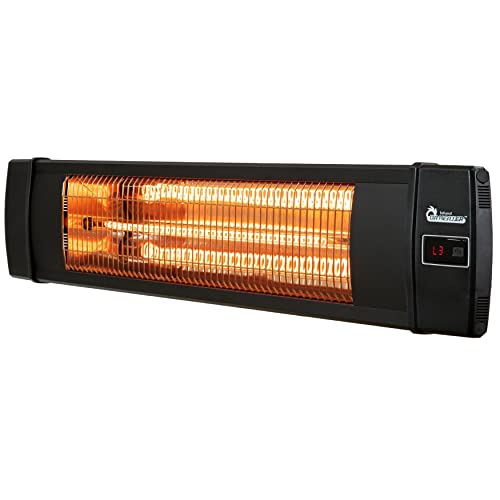
The DR Infrared DR-238 is an electric carbon infrared heater that the brand markets for both indoor and covered outdoor use. It carries an IP55 rating for protection against dust and water jets, expanding placement options like garages, patios, and open-air restaurants.
Manufacturer features include three power settings (900W, 1200W, 1500W), plug-and-go operation on standard 120V, odorless infrared heat, and remote control for convenience. The product emphasizes clean, instant heat without combustion.
Electric infrared units provide direct radiant warmth without fuel storage or combustion ventilation. Consider electrical circuit capacity when planning installation in a workshop or garage setting.
Buying Guide: Choosing The Right Radiant Shop Heater
Selecting a radiant heater for a shop or garage depends on space size, fuel availability, installation constraints, and safety requirements. Below are key considerations and comparison perspectives to guide a purchase.
1. Heat Output And Coverage
Match heater BTU output (or wattage for electric) to the space. Larger, poorly insulated shops need higher outputs; smaller or well-insulated areas can use lower-output units. Radiant heat warms surfaces and people directly, so measured floor area is a guideline but ceiling height and open doors reduce effective coverage.
2. Fuel Type And Availability
- Diesel/Kerosene (# SunFire Models): High BTU, long runtime, bulk fuel storage needed. Suitable for remote jobsites and large unconditioned spaces.
- Natural Gas: Convenient for permanent installations with a gas line; lower operating maintenance but requires professional hookup and clearance planning.
- Propane (Vent-Free or Tank Top): Portable and powerful; vent-free units need good room sizing and awareness of combustion byproducts; tank-top or portable units require outdoor-rated safe use.
- Electric Infrared: Clean, odorless, easy to install where electrical capacity allows; lower peak heat compared with fossil-fuel units but ideal for indoor/outdoor covered areas.
3. Indoor Use, Ventilation, And Emissions
Combustion heaters (diesel, kerosene, natural gas, propane) may require ventilation or specific clearance rules. Vent-free propane heaters release combustion products into the space and require adherence to local codes and adequate ventilation. Diesel/kerosene units that claim low fumes still need safe fuel handling and adherence to manufacturer guidance.
4. Runtime And Tank Capacity
Long runtimes reduce refueling frequency. Diesel models list tank capacity and estimated hours. For continuous operation in a busy shop, a larger tank or direct fuel supply can be beneficial. Electric and natural gas units run as long as power or gas is available.
5. Noise And Operating Environment
Radiant heaters typically operate more quietly than forced-air torpedo heaters. If noise is a concern in a workshop environment, review manufacturer claims about quiet operation. Consider resistance to wind if the shop has open bay doors—radiant heat is less affected by drafts than convective systems.
6. Installation And Clearance Requirements
Unit heaters and wall-mounted radiant heaters have specific clearance instructions for safe operation. Review product-specified clearances, mounting hardware, and professional installation needs for natural gas or permanently mounted units.
7. Safety Features
- Tip-Over Shutoff: Common on portable propane heaters to prevent operation if knocked over.
- Automatic Shutoffs and Sensors: Some models include overheat protection and flame sensors.
- Proper Mounting & Clearances: Reduces fire risk and ensures effective heat distribution.
8. Portability Versus Permanent Installation
Decide if you need a portable solution for jobsite flexibility (portable propane, tank top heaters, some electric models) or a permanent installation for an attached garage (natural gas unit heaters or wall-mounted radiant propane).
9. Operating Cost And Efficiency
Compare fuel efficiency metrics and expected runtime. Natural gas and electricity often offer predictable operating costs if service is already in place. High BTU diesel units provide large heat capacity but require fuel logistics. Consider maintenance costs such as burner servicing and filters.
10. Environmental And Code Considerations
Check local codes for indoor combustion appliances, venting requirements, and emissions. Vent-free appliances may be restricted in some jurisdictions or require carbon monoxide monitoring. Electric infrared eliminates combustion-related permitting in many cases.
Comparison Perspectives
From a capacity perspective, the SUNFIRE SF150 and SF120 deliver the highest BTU output and longest run times for large, unheated shops. For permanently plumbed solutions, natural gas unit heaters like the Mr. Heater MH40NG offer continuous service without refueling. For spot heating or smaller workshops, vent-free propane units (Mr. Heater 30k) and portable buddies offer targeted radiant warmth. For indoor/outdoor covered areas and clean operation, electric infrared units like DR-238 provide ready, odorless heat with simpler installation.
When evaluating models, weigh coverage needs, fuel logistics, ventilation, and safety features against your shop’s layout and usage patterns to determine the most appropriate radiant heater type.
Tips for Getting the Best HVAC Prices
- Prioritize Quality Over Cost
The most critical factor in any HVAC project is the quality of the installation. Don’t compromise on contractor expertise just to save money. - Check for Rebates
Always research current rebates and incentives — they can significantly reduce your overall cost. - Compare Multiple Quotes
Request at least three estimates before making your choice. You can click here to get three free quotes from local professionals. These quotes include available rebates and tax credits and automatically exclude unqualified contractors. - Negotiate Smartly
Once you've chosen a contractor, use the proven strategies from our guide — How Homeowners Can Negotiate with HVAC Dealers — to get the best possible final price.