
This guide highlights top rear heated windows and compatible heated glass replacements for popular trucks and SUVs. Below is a quick comparison table of the selected heated rear window options to help you identify fitment, heating capability, and tint/privacy at a glance.
| Product | Vehicle Fitment | Heated/Defogger | Tint/Privacy |
|---|---|---|---|
| JMTAAT Rear Heated Window Glass (Tundra) | 2007–2021 Toyota Tundra Crew Cab (Power Drop Down) | Heated (embedded wires) | Dark Tinted |
| JMTAAT Rear Side Sliding Door Window (Ford F250/F350) | 2008–2016 Ford F250/F350 Power Slider | Heated With Defroster Lines | Light Green Tinted |
| K&L Heated Rear Liftgate Window (Highlander) | 2001–2007 Toyota Highlander | Heated, Solar Controlled | Manufacturer Privacy Tinted |
| Generic Left Side Panel Glass (Ford F250/F350) | 2011–2016 Ford F250 & F350 Power Sliding | Heated (defroster lines) | Factory Dark Tinted |
| NAGD Privacy Heated Back Tailgate Window | 2000–2005 Chevrolet Tahoe/Suburban/GMC Yukon | Heated, Solar Controlled | Factory Privacy Tinted |
Content Navigation
- JMTAAT Rear Heated Window Glass Compatible With Toyota Tundra
- JMTAAT Rear Side Sliding Door Window For Ford F250/F350
- Heated Rear Back Liftgate Window Glass For Toyota Highlander
- Generic Left Side Panel Glass For Ford F250/F350 Power Sliding Window
- Privacy Heated Back Tailgate Window For Chevy Tahoe/Suburban
- Buying Guide: Choosing The Right Rear Window Heater Or Heated Glass Replacement
- 1. Confirm Exact Vehicle Fitment
- 2. Heating Type And Defogger Integration
- 3. Tint And Privacy Needs
- 4. Material Strength And Safety
- 5. Installation Complexity
- 6. Compatibility With Existing Hardware
- 7. Electrical Repair And Accessories
- 8. Environmental Performance
- 9. Durability And Warranty Considerations
- 10. Comparison Perspectives
JMTAAT Rear Heated Window Glass Compatible With Toyota Tundra
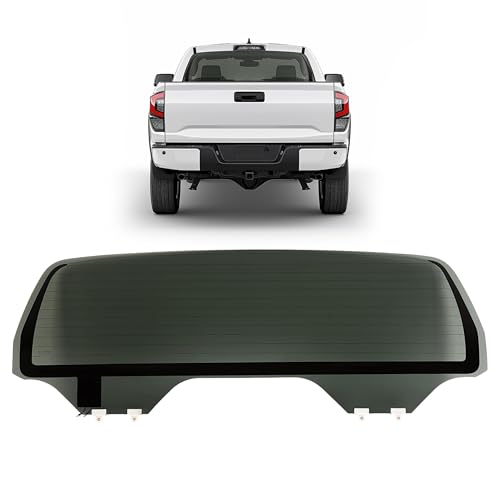
This tempered rear window replacement fits 2007–2021 Toyota Tundra 4 Door Crew Cab models with the power drop-down rear window style. The glass includes embedded heating wires to prevent condensation and ice buildup, supporting clear rear visibility in cold or humid conditions.
Construction uses tempered glass for impact resistance and scratch reduction. The dark tint provides increased privacy and reduced glare during daytime driving. Fitment is specific to the power drop-down style and excludes slider or stationary options; verify your rear window type before purchase.
Key features include superior adaptability for compatible Tundra models, dark heated tempered glass for privacy, and durable construction for long-term service life. The embedded heating wires help maintain defogged rear sightlines in adverse weather.
JMTAAT Rear Side Sliding Door Window For Ford F250/F350

Call 888-896-7031 for Free Local HVAC Quotes – Compare and Save Today!
Designed for 2008–2016 Ford F250 and F350 power slider rear windows, this side sliding door glass includes defroster lines to keep the sliding panel clear of frost and fog. This option is explicitly for the power slider configuration—manual or non-slider types are not supported.
The glass is tempered for durability and reduced shatter risk. The light green tint offers daytime privacy and helps moderate cabin sunlight without making the interior too dark. This panel is positioned as a direct-fit replacement for the right passenger side power slider window.
Included features emphasize vehicle compatibility, durable tempered construction, and enhanced daytime privacy. The embedded defroster lines enable consistent heating when connected to the vehicle’s defogger circuit, restoring visibility to the sliding section.
Heated Rear Back Liftgate Window Glass For Toyota Highlander
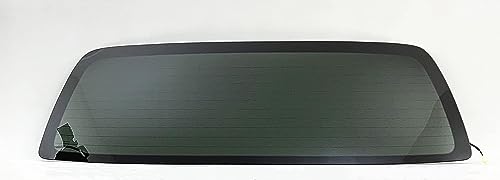
This stationary heated liftgate window replaces the rear back glass on Toyota Highlander 2001–2007 models. It features tempered glass with heating elements and solar control to reduce interior heat gain, plus factory-style privacy tinting for a consistent appearance.
The product is intended for the stationary liftgate application and integrates heating to clear frost and condensation on the rear hatch glass. Tempered construction increases resistance to impacts while maintaining optical clarity when installed correctly.
Call 888-896-7031 for Free Local HVAC Quotes – Compare and Save Today!
Features listed include fitment to Highlander 4-door utility models, heated and solar-controlled glass, and manufacturer-matching privacy tint. This makes it suitable for owners seeking a direct replacement with integrated defogging capability and reduced cabin heat transfer.
Generic Left Side Panel Glass For Ford F250/F350 Power Sliding Window

This left side panel glass is specified for 2011–2016 Ford F250 and F350 power sliding rear windows. The panel includes defroster/heat lines to enable rear window heating across the sliding section and maintains factory dark tint for appearance continuity.
It is sold as a direct replacement for the left panel on power sliding windows. Tempered glass construction provides a safer break pattern and improved resistance to chips and surface damage. Confirm that your vehicle uses the power slider assembly before ordering.
Highlighted features indicate compatibility, heated defroster lines for reliable clear-back performance, and factory-style dark tint. This option is targeted at owners who require a heated sliding glass replacement to recover rear visibility and appearance.
Privacy Heated Back Tailgate Window For Chevy Tahoe/Suburban
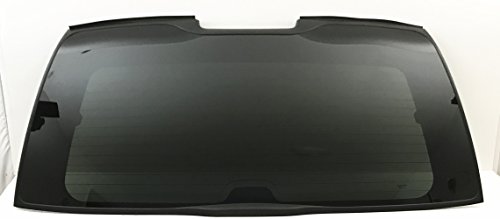
This heated tailgate window fits 2000–2005 Chevrolet Tahoe, Suburban, and GMC Yukon models and provides factory-style privacy tint with integrated heating lines. The tempered glass includes solar control properties to limit interior temperature rise in sun-exposed conditions.
Heating lines are intended to interface with the vehicle’s defogger circuit to rapidly remove frost and condensation on the tailgate glass. The factory privacy tint matches OEM aesthetics and reduces external visibility during the day.
Listed features emphasize tempered, heated, solar-controlled glass, and compatibility with multiple GM SUVs. This option is useful for restoring defogger function on older GM tailgates while retaining original tint and thermal behavior.
Buying Guide: Choosing The Right Rear Window Heater Or Heated Glass Replacement
Choosing the appropriate rear heated window or heated glass replacement requires matching vehicle fitment, heating functionality, and installation needs. Below are key considerations and comparison perspectives to guide a confident purchase.
1. Confirm Exact Vehicle Fitment
Fitment is the most critical factor. Rear windows vary by model year, cab style, slider vs. stationary, and power vs. manual operation. Check OEM part numbers, existing window style (power drop-down, power slider, stationary liftgate), and the year range listed by the manufacturer.
2. Heating Type And Defogger Integration
There are two primary heating approaches: embedded heating wires within the glass and visible defogger lines applied to the surface. Both operate via the vehicle’s defogger circuit, but wiring access and terminal types differ. Verify your vehicle’s electrical connector and defogger tab locations.
3. Tint And Privacy Needs
Tint levels influence cabin temperature, glare, and privacy. Dark privacy tints provide more daytime privacy but reduce rearward visibility at night. Light green or factory tints offer moderated shading. Choose a tint that balances privacy with legal and safety considerations for nighttime driving.
4. Material Strength And Safety
Select tempered glass replacements to ensure safer breakage patterns and better resistance to impact. Tempered glass is required in most OEM rear windows and provides durability against chips and cracks during normal use.
5. Installation Complexity
Installation varies from straightforward drop-in replacements to complex fitment requiring trim removal, adhesive, or professional bonding. Sliding panels may need track alignment. Consider professional installation if adhesive bonding, precise sealing, or electrical reconnection is required.
6. Compatibility With Existing Hardware
Confirm that the replacement glass aligns with seals, mouldings, defogger wiring, and hardware such as latches or sliding tracks. Some aftermarket glass may require reuse of original clips or connectors; others include OEM-style attachment features.
7. Electrical Repair And Accessories
Defogger grids can lose connectivity at tab points. Repair adhesives and tab kits restore electrical contact without replacing the entire glass. If only the defogger tab is damaged, adhesives like conductive joiners can be cost-effective. For failed control modules or switches, verify compatible replacements before replacing glass.
8. Environmental Performance
Solar-controlled glass reduces interior heat gain and UV exposure. Heated windows vary in warm-up speed and power draw; vehicles with weaker charging systems may need attention to electrical load when defogger is engaged for extended periods.
9. Durability And Warranty Considerations
Check manufacturer warranty terms and the reputation for longevity. Tempered glass resists scratching and can outlast less robust alternatives. If warranty covers electrical failure of embedded heating, document installation and ownership for potential claims.
10. Comparison Perspectives
- Fitment-First Perspective: Prioritize exact part compatibility for plug-and-play replacements to avoid modification.
- Function-First Perspective: Select products with embedded heating wires or defogger lines that match your climate needs for reliable de-icing.
- Cost-Effective Repair Perspective: If only the heating tab or grid is damaged, consider repair adhesives or tab kits rather than full glass replacement.
- Aesthetics-First Perspective: Match factory tint level and glass finish to maintain OEM appearance and resale value.
- Professional-Installation Perspective: For liftgate or bonded glass, professional installation reduces leak and alignment risks.
Checklist Before Buying:
Tips for Getting the Best HVAC Prices
- Prioritize Quality Over Cost
The most critical factor in any HVAC project is the quality of the installation. Don’t compromise on contractor expertise just to save money. - Check for Rebates
Always research current rebates and incentives — they can significantly reduce your overall cost. - Compare Multiple Quotes
Request at least three estimates before making your choice. You can click here to get three free quotes from local professionals. These quotes include available rebates and tax credits and automatically exclude unqualified contractors. - Negotiate Smartly
Once you've chosen a contractor, use the proven strategies from our guide — How Homeowners Can Negotiate with HVAC Dealers — to get the best possible final price.
- Confirm year, model, cab type, and window style (slider, drop-down, stationary).
- Verify whether the replacement includes or supports defogger wiring and tab connections.
- Match tint level to existing glass or desired privacy.
- Assess whether you’ll perform DIY installation or require a professional.
- Consider repair kits for localized defogger issues as a lower-cost alternative.