
Choosing the right heater ducting and vent outlets helps keep your camper warm, directs airflow, and protects components. This guide reviews five top products for RVs, vans, and buses and provides a focused buying guide to compare materials, sizes, and installation needs.
| Product | Type | Compatible Duct Size | Material / Feature |
|---|---|---|---|
| HAIWEN Square Warm Air Vent Outlet | Rotatable Vent Outlet | 42 / 60 / 75 mm | Plastic, 360° Rotation |
| RecPro RV Air Louver Ceiling Vent | Louvered Ceiling Vent | 4-5/8″ Ducting (approx. 117 mm slot) | Adjustable Louvers, Ceiling Mount |
| X AUTOHAUX Warm Air Vent Outlet 65mm | Round Vent Outlet | 60 mm / 65 mm | Plastic, Durable |
| VekAuto Aluminum Foil Duct Pipe 42mm | Flexible Duct Hose | 42 mm ID | Aluminum Foil, Heat Resistant |
| CYDZSW 75mm Diesel Heater Duct Vent Outlet | Rotatable Vent Outlet | 71–75 mm Mount | High-temp Plastic, 360° Rotation |
Content Navigation
HAIWEN Square Warm Air Vent Outlet (Hole OD: 75mm)

This rotatable plastic vent outlet is designed to fit multiple duct sizes including 42 mm, 60 mm, and 75 mm. The front fascia is removable to access screw holes for a secure fit. The vent rotates through 360 degrees, enabling directional control of warm air for targeted heating in cabins and RV interiors.
Key features listed: suitable for three duct sizes, removable fascia for fitment, and full rotation to direct airflow. Use this outlet where you need replaceable, serviceable vent covers and flexible air direction. Its plastic construction keeps weight low and installation straightforward for panel or bulkhead mounting.
RecPro RV Air Louver Ceiling Vent 6.5″
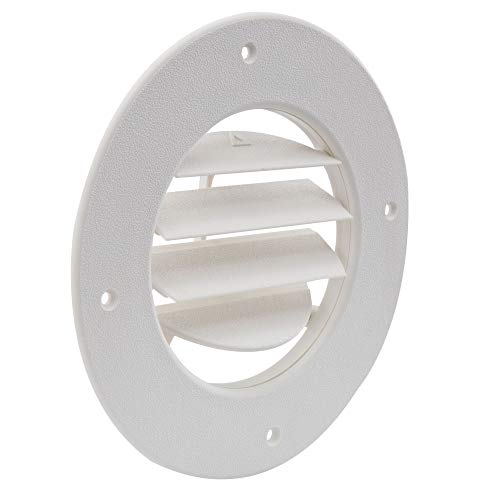
The RecPro 6.5″ louvered ceiling vent provides adjustable louvers that rotate, allowing full control over airflow direction. It is designed to fit 4-5/8″ ducting, commonly used in RV ceiling installations to add circulation or outlet points for HVAC systems.
Call 888-896-7031 for Free Local HVAC Quotes – Compare and Save Today!
Features listed: fully adjustable louvers for directional control and compatibility with ceiling duct connections. Its design is tailored to distribute airflow broadly or focus on a particular area by angling the louvers. Ideal for ceiling mounting where a low-profile, adjustable vent is required.
X AUTOHAUX Warm Air Vent Outlet 65mm

The X AUTOHAUX 65mm vent outlet is built from molded plastic to promote ventilation and provide a comfortable interior environment. It is specified as suitable for 60 mm ducting, with a total size of about 63 x 85 mm and an air outlet diameter around 65 mm.
Listed features include durable plastic construction, prevention of surface scratching and dust ingress, and useful replacement properties for damaged vents. This outlet suits sidewall or dash installations where a compact round vent is desired and service life is important.
VekAuto Car Heater Duct Pipe 42mm ID (Aluminum Foil)
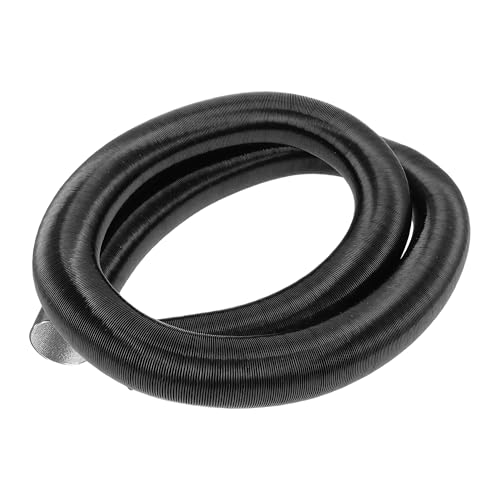
The VekAuto flexible duct is specified for an inner diameter of 42 mm and is made from aluminum foil. It is intended to connect heating components and transport warm air within vehicles, including RVs, vans, boats, and trucks.
Call 888-896-7031 for Free Local HVAC Quotes – Compare and Save Today!
Features listed: aluminum foil construction for high-temperature resistance and corrosion resistance. This ducting is useful for routing warm air from diesel heaters to vents, offering flexibility for tight installations and resistance to heat exposure compared with some all-plastic ducts.
CYDZSW 75mm Diesel Heater Duct Vent Outlet

The CYDZSW outlet is made from high-temperature resistant plastic and lists compatibility with a mounting port inner diameter of about 71 mm and an outer diameter near 75 mm. The vent outlet air diameter is shown around 99 mm and height about 75 mm.
Primary features: corrosion-proof plastic, suitability for diesel heaters (Webasto/Eberspacher/Propex types), and 360-degree rotation to direct warm air where needed. It is framed for heater applications that demand heat-rated materials and broad directional control of airflow.
Buying Guide — How To Choose RV Heater Ducting And Vents
Selecting the right venting and ducting requires balancing size compatibility, material properties, airflow needs, and installation constraints. Below are key factors to evaluate when shopping for RV heater ducting and vents.
Duct And Vent Size Compatibility
- Inner Diameter (ID) Matching: Ensure duct ID matches heater outlet or vent inlet (common sizes: 25 mm, 42 mm, 60 mm, 75 mm). Mismatched sizes reduce airflow efficiency and may need adapters.
- Mounting Hole Dimensions: Confirm fascia or mounting port outer diameter and depth for door panels, ceilings, or bulkheads to ensure a flush, secure fit.
Materials And Heat Resistance
- Aluminum Foil Flexible Ducts: Offer improved heat resistance and durability for transporting warm air from diesel heaters; more tolerant of higher temperatures than thin plastics.
- Plastic Vent Faces: Lightweight and inexpensive; check for high-temperature rated plastics if used near heater outlets to avoid deformation or odor under heat.
- Corrosion And Moisture: Consider materials that resist corrosion and condensation, especially for marine or high-humidity environments.
Airflow Control And Direction
- 360° Rotatable Fascia: Useful when you need precise directional control of warm air for occupants or localized heating.
- Adjustable Louvers: Louvers offer gradated control to diffuse or focus airflow; ceiling louvers can spread heat broadly or target single zones.
- Outlet Diameter vs. Air Velocity: Larger outlet diameters lower air velocity but may cover more area; smaller ducts and focused vents increase reach but can feel drafty.
Installation Considerations
- Accessibility: Removable fascias and exposed screw access simplify installation and future maintenance.
- Mounting Location: Ceiling, wall, or floor mounts require different vent profiles and clearance. Ceiling vents are often low-profile while bulkhead vents need depth clearance.
- Adapters And Reducers: Keep a selection of reducers or collars to adapt between non-standard sizes rather than reworking ducting.
Durability And Serviceability
- Replaceable Faces: Vents with removable fascias allow cleaning, replacement, and access to screws for secure refitment.
- Material Fatigue: Flexible ducts should be checked for pinhole leaks, tears, or foil delamination that can reduce heat delivery over time.
Compatibility With Heater Type
- Diesel Heaters: Require heat-resistant ducting and vents rated for continuous warm-air delivery; verify compatibility with Webasto, Eberspacher, and Propex lines if applicable.
- Vehicle HVAC Systems: For AC-integrated systems, select vents sized to the system’s static pressure and intended airflow distribution.
Comparison Perspectives
- Performance vs. Weight: Aluminum foil ducts offer heat tolerance but may weigh more or be stiffer; plastic vents are lightweight but vary in heat tolerance.
- Cost vs. Longevity: Higher-quality materials and rotatable assemblies tend to cost more upfront but reduce replacement frequency and maintenance needs.
- Ease Of Installation vs. Customization: Pre-sized vents and flexible ducts are easier to install; custom routing or retrofit projects may require adapters and additional sealing materials.
When choosing components for an RV heater system, verify sizes, check material ratings, and plan the routing path. Combining properly sized flexible ducts with serviceable vent outlets yields efficient heat delivery and targeted comfort throughout the vehicle.
Tips for Getting the Best HVAC Prices
- Prioritize Quality Over Cost
The most critical factor in any HVAC project is the quality of the installation. Don’t compromise on contractor expertise just to save money. - Check for Rebates
Always research current rebates and incentives — they can significantly reduce your overall cost. - Compare Multiple Quotes
Request at least three estimates before making your choice. You can click here to get three free quotes from local professionals. These quotes include available rebates and tax credits and automatically exclude unqualified contractors. - Negotiate Smartly
Once you've chosen a contractor, use the proven strategies from our guide — How Homeowners Can Negotiate with HVAC Dealers — to get the best possible final price.