
Choosing the right RV pipe heater protects water systems from freezing, keeps plumbing functional in cold weather, and prevents costly damage. Below is a concise comparison table of selected products to help you evaluate heating cable length, voltage, thermostat features, and application suitability at a glance.
| Product | Type | Voltage | Self-Regulating | Typical Use |
|---|---|---|---|---|
| HEATIT 30Ft Pipe Heating Cable | Self-regulating heat cable | 120V | Yes | Pipes (metal/plastic), RV |
| JDZKOMKE 50Ft Pipe Heating Cable | Heavy-duty heat cable | 120V | Yes | Long runs, exposed or buried pipes |
| Facon 6″ x 18″ RV Pipe Heater Pad | 12V heater pad | 12V DC | No (on/off) | Tank and straight pipe wraps on RV |
| Facon 3″ x 8″ RV Elbow Pipe Heater Pad | 12V elbow heater pad | 12V DC | No (on/off) | Elbows and tight bends on RV plumbing |
| BDDFOTO 6FT Heat Tape With Thermostat | Self-regulating heat tape | 110V | Yes | Short runs, RV hookups, garden hoses |
Content Navigation
- HEATIT 30Ft Pipe Heating Cable For Metal And Plastic Pipes
- JDZKOMKE 50Ft Pipe Heating Cable For Long Runs
- Facon 6″ x 18″ RV Pipe Heater Pad For 1-1/2″ Pipes
- Facon 3″ x 8″ RV Elbow Pipe Heater Pad For Elbows
- BDDFOTO 6FT Heat Tape With Thermostat For Short Runs
- Buying Guide: How To Choose The Right RV Pipe Heater
HEATIT 30Ft Pipe Heating Cable For Metal And Plastic Pipes

This HEATIT product is a self-regulating heating cable rated at 5 W/ft with a 30 ft cable plus a 3 ft power cord. It activates automatically when ambient temperatures drop and scales heat output as conditions change. This feature reduces the risk of overheating and improves energy efficiency for mixed-use RV plumbing.
The cable is described as ETL certified, with the plug UL certified, which signals compliance with recognized safety standards. A built-in thermostat turns the cable on at about 37°F and off near 50°F, streamlining freeze protection without manual control.
Applications listed include metal and plastic water-filled pipes commonly found in RV systems. Installation typically involves securing the cable along the pipe run and covering with appropriate insulation per the manufacturer’s recommendations.
JDZKOMKE 50Ft Pipe Heating Cable For Long Runs

Call 888-896-7031 for Free Local HVAC Quotes – Compare and Save Today!
The JDZKOMKE cable is an industrial-focused heat trace designed for longer pipe runs up to 50 ft and built to provide freeze protection down to very low temperatures. It specifies a 5 W/ft output and claims UL full-cable certification, differentiating full-cable tested designs from plug-only certified alternatives.
Construction highlights include a pure copper core, aluminum shield, and a TPE outer jacket rated for harsh conditions. The manufacturer references resistance to moisture, UV, and chemical exposure, which can be relevant for RVs used in coastal or exposed environments.
As a note of safe use, the product description warns against use on empty lines or fuel systems. For RV applications, this cable is suitable where long exterior or buried runs are present and where durable jacketing is needed.
Facon 6″ x 18″ RV Pipe Heater Pad For 1-1/2″ Pipes
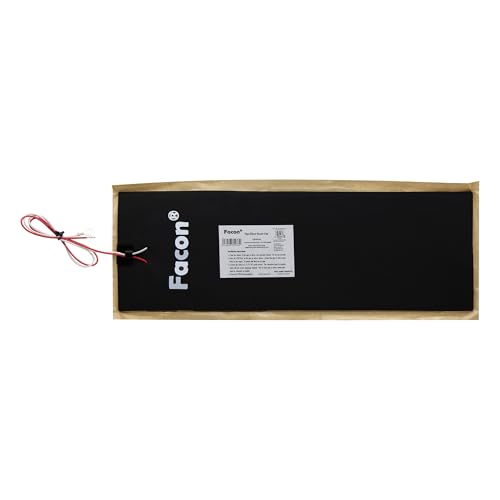
Facon’s 6″ x 18″ pad targets RV water tanks and straight pipe sections. The pad operates on 12V DC, which matches common RV electrical systems, and is intended for use with the vehicle’s battery or a dedicated switch. This allows heater use without shore power.
The pad includes a self-adhesive foam backing for easy wrapping and claims patent-protected design. It is intended for manual on/off control: turn on near freezing conditions and off when temperatures rise or the RV is stored.
Call 888-896-7031 for Free Local HVAC Quotes – Compare and Save Today!
Its application is specific to 1-1/2″ pipe sizes; the design and installation method differ materially from continuous heat cables. This type is commonly used inside compartments and on tanks where 12V power access is convenient.
Facon 3″ x 8″ RV Elbow Pipe Heater Pad For Elbows

Designed for elbows and tight bends, this 3″ x 8″ pad complements straight heater pads by addressing common freeze points where pipes change direction. It runs on 12V DC and includes a 3mm foam insulation layer with adhesive for straightforward application.
The pad is intended for 1-1/2″ pipe or elbow joints and is frequently used alongside straight heater pads to provide continuous protection across joints and fittings. Like other Facon pads, it is operated manually with an on/off switch.
For RV systems, elbow pads are practical where standard cable access is limited or where targeted localized heating is preferred over long cable runs.
BDDFOTO 6FT Heat Tape With Thermostat For Short Runs

The BDDFOTO heat tape is a short-run option rated at 7 W/ft for a 6 ft heating element and includes a built-in temperature sensor and power cord. The thermostat engages heating below approximately 5°C (~41°F) and turns off near 15°C (~59°F) per product details.
Installation is described as flexible: linear, spiral, or overlapping configurations are possible, allowing adaptation to short sections of RV plumbing, hose lines, or manifold areas. The pre-assembled design supports plug-and-play use with a ground-fault protected outlet.
This type is suitable for targeted freeze protection where small lengths of pipe or hose need automatic temperature-responsive heating without extensive cabling or 12V power requirements.
Buying Guide: How To Choose The Right RV Pipe Heater
Selecting an appropriate RV pipe heater requires matching product characteristics to your system, climate exposure, and power availability. Below are key considerations and comparison perspectives to guide a purchase decision.
1. Type Of Heater: Cable Versus Pad
- Self-Regulating Heat Cable: Ideal for linear pipe runs. Output varies with ambient temperature, lowering energy use and reducing overheating risk. Better for extended exterior runs or pipes in walls.
- Heater Pads (12V): Best for tanks, elbows, or localized spots in RVs where 12V power is available. Suitable for interior compartments and targeted protection with simple on/off control.
2. Voltage And Power Source
- 12V Pads integrate with RV battery systems, allowing operation off-grid. Consider energy draw and whether you’ll rely on the battery or an auxiliary power source.
- 110–120V Cables require shore power or a generator and often deliver higher continuous power. Use GFCI-protected outlets for safety.
3. Self-Regulating vs Fixed Output
- Self-regulating cables adjust heat output as temperature changes, improving efficiency and safety, and are suited for mixed temperature conditions common in RV travel.
- Fixed-output pads and tapes maintain steady heat and are simple to control, but may require manual switching or thermostat controls to avoid excess energy use.
4. Certification And Safety
- Look for ETL, UL, or CSA certifications on the full cable assembly, not just the plug. Full-cable certification indicates broader safety testing for wire insulation and construction.
- Always use GFCI-protected circuits for 110–120V installations and follow manufacturer placement and insulation guidelines to avoid overheating or fire hazards.
5. Installation Considerations
- Follow manufacturer instructions about no overlapping for self-regulating cables unless explicitly allowed. Overlap can cause hotspots.
- Use recommended insulation over the heater; insulation improves performance by retaining the heat at the pipe surface.
- For pads, ensure adhesive surfaces are clean and the pad fits the pipe diameter or elbow geometry to maximize heat transfer.
6. Pipe Material And Application
- Most electrical heat traces are specified for water-filled metal or plastic pipes (PEX, PVC, copper). Avoid using on empty pipes, fuel lines, or steam lines unless explicitly rated.
- For exterior or buried pipe runs, choose constructions with robust jacketing and shielding to resist moisture and environmental wear.
7. Climate And Output Requirements
- For extremely cold climates, select higher wattage or continuous-length solutions to maintain pipe temperature well above freezing. Products rated to protect down to very low ambient temperatures (e.g., -40°F) are suited to severe conditions.
- Short-run or interior protection often requires less wattage and can rely on 12V pads or short heat tape segments with thermostats.
8. Maintenance And Longevity
- Check for product longevity claims, warranties, and construction features such as UV and chemical resistance if your RV is exposed to harsh elements.
- Evaluate ease of replacement and whether the cable or pad can be routed or removed without major disassembly.
9. Control Options
- Built-in thermostats and automatic shutoff features reduce user interaction and conserve energy. Manual on/off switches are simple but require monitoring.
- Consider adding a dedicated thermostat or controller if the product lacks temperature automation and you need precise control.
10. Compatibility With RV Systems
- Match voltage (12V vs 110–120V) and connector types to your RV’s electrical setup. For 12V pads, confirm available fused circuits and switches.
- Factor in routing space for cable runs and access to shore power or generator if choosing 110–120V solutions.
When comparing products, weigh length and wattage against the pipe runs you need to cover, confirm certifications for safer installations, and select the control mode (automatic thermostat vs manual) that fits your usage pattern. For localized spots, 12V pads are practical; for longer exposed exterior runs, fully certified self-regulating cables with rugged jackets are often more appropriate.
Tips for Getting the Best HVAC Prices
- Prioritize Quality Over Cost
The most critical factor in any HVAC project is the quality of the installation. Don’t compromise on contractor expertise just to save money. - Check for Rebates
Always research current rebates and incentives — they can significantly reduce your overall cost. - Compare Multiple Quotes
Request at least three estimates before making your choice. You can click here to get three free quotes from local professionals. These quotes include available rebates and tax credits and automatically exclude unqualified contractors. - Negotiate Smartly
Once you've chosen a contractor, use the proven strategies from our guide — How Homeowners Can Negotiate with HVAC Dealers — to get the best possible final price.