
Choosing A Heater For A Baby Room requires attention to safety features, noise level, thermostat accuracy, and heat distribution. Below is a quick comparison of five nursery-appropriate heaters selected for safety-focused features and suitability for small rooms.
| Product | Brand | Key Safety Features | Ideal Room Size |
|---|---|---|---|
| Vornadobaby Tempa Nursery Space Heater | Vornadobaby | Cool-Touch Exterior, Tip-Over Protection, Auto Safety Shutoff | Up To 100 Sq. Ft. |
| Dreo Space Heater 25″ Ceramic | Dreo | V0 Flame-Retardant, Tip-Over & Overheat Protection, Child Lock | Large Rooms |
| Dreo 1500W Ceramic Heater With Thermostat | Dreo | ETL-Certified, Tip-Over/Overheat Protection, Timer | Up To 200 Sq. Ft. |
| Dreo Oil Filled Radiator | Dreo | Triple Overheat Protection, Tilt Protection, Fire-Resistant Materials | Large Rooms / Even Heat |
| JIBUFI 1500W PTC Small Portable Heater | JIBUFI | ETL Certified, Tip-Over Protection, Flame-Retardant Materials | Up To 200 Sq. Ft. |
Content Navigation
Vornadobaby Tempa Nursery Space Heater
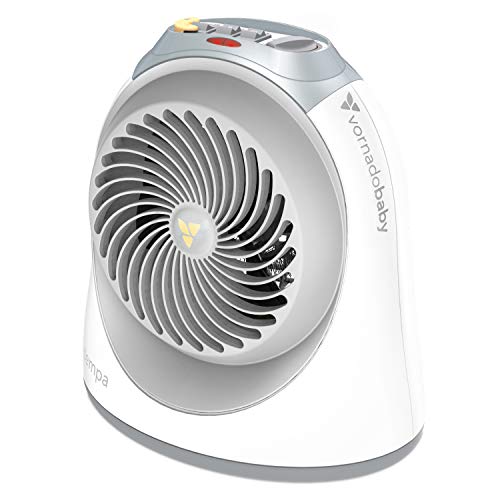
The Vornadobaby Tempa is designed specifically for nurseries and small bedrooms. It uses gentle air circulation to heat up to 100 sq. ft. and offers two heat settings plus a fan-only mode, allowing incremental temperature control suited to a baby room.
Safety features listed by the manufacturer include a cool-touch exterior, tip-over protection, and an automatic safety shutoff if internal temperature limits are exceeded. The unit also includes hidden cord storage to reduce cord hazards in a nursery setting.
Adjustable thermostat modes and continuous or auto air circulation let caregivers tailor the environment without rapid or uneven heating. Because it is specifically marketed for baby rooms, the Tempa prioritizes lower surface temperatures and simplified controls appropriate for family use.
Dreo Space Heater For Indoor Use, 25″

Call 888-896-7031 for Free Local HVAC Quotes – Compare and Save Today!
This 25″ Dreo ceramic tower emphasizes rapid heat delivery with a high airflow design. The product lists an upgraded hyperamics thermal design and an extended impeller to distribute warmth over larger areas.
For nursery safety, the model features V0 flame-retardant materials, ETL-certified tip-over and overheat protection, and a child lock that helps reduce accidental setting changes. Noise levels are advertised as low, which is relevant for sleep-sensitive infants.
The tall tower form factor provides elevated airflow distribution rather than concentrating heat near the floor. When used in a nursery, placing it away from cribs and bedding and using the child lock can limit access and accidental adjustments.
Dreo 1500W Electric Heater With Thermostat

This compact Dreo ceramic heater uses PTC ceramic elements for fast, even heating and lists a coverage area up to 200 sq. ft. The unit includes a digital thermostat, remote control, and a 12-hour timer for scheduled operation.
Safety attributes highlighted are ETL-Certified construction, smart tip-over protection, and overheat protection. The manufacturer also notes a sturdy, six-foot flat power cord and a flame-retardant plug, which reduce some household electrical risks.
Call 888-896-7031 for Free Local HVAC Quotes – Compare and Save Today!
Quiet operation (around 34 dB) makes this model suitable for rooms where sleep is a priority. The thermostat and timer allow caregivers to maintain consistent temperatures without manual monitoring, an important factor for baby room safety and comfort.
Dreo Oil Filled Radiator With Remote Control

The Dreo oil-filled radiator provides silent, radiant heat with stable surface temperatures and steady heat dispersion. Oil radiators are valued for even warmth and for not exposing hot elements, which reduces direct-burn risk in rooms with children.
Feature highlights include triple overheat protection, tilt protection, and fire-resistant construction. The unit offers precise temperature control with an eco mode to reduce temperature swings and maintain comfort without frequent cycling.
Because the heating surface of oil-filled radiators typically remains warm rather than scalding, these units are often recommended in settings where accidental contact is a concern. They are heavier and less likely to tip, but still should be positioned away from bedding and reachable edges.
JIBUFI 1500W PTC Portable Heater With Oscillation

The JIBUFI portable PTC heater focuses on rapid heating and portability with a 70° oscillationtip-over and flame-retardant materials.
Compact design allows placement under supervision near caregiver zones, and included timer and remote control simplify unattended adjustments. The oscillation spreads warm air rather than creating localized hot spots.
For nursery deployment, the JIBUFI unit’s small footprint and multiple safety features make it appropriate for short-distance supplemental heating when used with sensible placement and cord management.
Buying Guide: How To Choose A Safe Heater For A Baby Room
When selecting a heater for a nursery, focus on safety certifications, heat type, noise level, thermostat control, and placement considerations. Below are multiple perspectives and practical checks.
Safety Certifications And Protections
- ETL/UL/CSA Certification: Choose units with recognized lab safety listings; these indicate electrical and fire-safety testing.
- Tip-Over Protection: Automatic shutoff if the unit is knocked over reduces fire and burn risk.
- Overheat Protection: Internal sensors that shut the unit off if temperatures exceed safe thresholds help prevent fires.
- Child Locks And Controls: A child lock prevents accidental adjustments to temperature or timer settings.
- Flame-Retardant Materials: Low-flammability casings and plugs reduce ignition risk.
Heat Type And Surface Temperatures
- Ceramic/PTC Heaters: Fast heating and generally safe, but can have warmer front grilles. Place away from direct contact and bedding.
- Oil-Filled Radiators: Provide even, steady warmth and tend to have lower external surface temperatures, reducing burn risk on contact.
- Tower Heaters With Elevated Vents: Good for distributing heat higher in the room; keep out of reach of children.
Thermostat Accuracy And Controls
- Digital Thermostats And Timers: Maintain steady room temperatures and reduce wide swings, important for baby comfort.
- Remote Control & Presets: Allow adjustments without entering the nursery, useful for minimizing disturbance.
Noise Level And Sleep Considerations
- Low dB Ratings: Units that operate under ~35 dB are preferable for infant sleep.
- Oscillation vs. Steady Flow: Oscillation can spread heat but may add low-level mechanical noise; check manufacturer noise specs.
Placement, Cord Safety, And Physical Design
- Distance From Cribs/Bedding: Maintain recommended clearance on all sides; never place a heater where bedding or toys can contact it.
- Cord Management: Use units with short, flat cords or integrated cord storage to reduce trip and pull hazards.
- Stability: Heavier, low-center-of-gravity units are less likely to tip; consider radiator-style heaters for reduced tip risk.
Energy Efficiency And Operating Modes
- ECO Modes & Timers: Reduce runtime and cycling for energy savings and steadier temperatures.
- Multiple Heat Settings: Allow you to use lower power for overnight runs while maintaining comfort.
Maintenance, Cleaning, And Longevity
- Dust Management: Heaters with filters or easy-to-clean grilles reduce dust circulation in the nursery.
- Durable Construction: Flame-retardant casings and solid plugs increase long-term safety and reliability.
Multiple Comparison Perspectives
- Safety-First Perspective: Prioritize ETL/UL listings, tip-over and overheat shutoffs, and child locks.
- Comfort-First Perspective: Choose models with accurate thermostats, low-noise operation, and even heat dispersion.
- Practical Use Perspective: Consider size, portability, and cord design for placement flexibility and storage.
- Long-Term Costs: Evaluate ECO modes and wattage to balance consistent nursery temperature with household energy use.
Checklist Before Use: Verify the unit’s certification, test tip-over/auto-shutoff function in a controlled way, ensure stable placement away from crib and fabrics, and set reasonable thermostat/timer values to maintain a steady nursery temperature.
Tips for Getting the Best HVAC Prices
- Prioritize Quality Over Cost
The most critical factor in any HVAC project is the quality of the installation. Don’t compromise on contractor expertise just to save money. - Check for Rebates
Always research current rebates and incentives — they can significantly reduce your overall cost. - Compare Multiple Quotes
Request at least three estimates before making your choice. You can click here to get three free quotes from local professionals. These quotes include available rebates and tax credits and automatically exclude unqualified contractors. - Negotiate Smartly
Once you've chosen a contractor, use the proven strategies from our guide — How Homeowners Can Negotiate with HVAC Dealers — to get the best possible final price.