
The following guide compares safe indoor non-electric heaters and widely used electric alternatives suitable for American homes, garages, RVs, and cabins. The table below summarizes the five selected models and highlights key features for quick comparison.
| Product | Type | Key Feature |
|---|---|---|
| Mr. Heater F232017 MH9BXRV Buddy | Portable Propane Radiant (Non-Electric) | Auto shut-off, clean-burning, up to 9,000 BTU |
| Mr. Heater MHVFBF20LPT 20,000 BTU Blue Flame | Wall-Mount Vent-Free Propane (Non-Electric Heat) | 20,000 BTU, thermostat, ODS safety sensor |
| GiveBest Portable Electric Space Heater | Ceramic Electric Space Heater | Thermostat, tip-over and overheat protection |
| Dreo Space Heater, 1500W Fast Heating | Ceramic Electric Tower Heater | 70° Oscillation, multiple safety protections |
| Dreo 25″ Fast Electric Heater With Remote | Ceramic Electric Tower Heater | Extended range, child lock, ETL-certified safety |
Content Navigation
- Mr. Heater F232017 MH9BXRV Buddy Grey Indoor-Safe Portable RV Radiant Heater
- Mr. Heater MHVFBF20LPT 20,000 BTU Blue Flame Vent Free Propane Heater
- GiveBest Portable Electric Space Heater With Thermostat
- Dreo Space Heaters For Indoor Use, 1500W Fast Heating Portable Heaters
- Dreo Space Heater For Indoor Use, 25″ Fast Electric Heater With Remote
- Buying Guide: How To Choose A Safe Indoor Non-Electric Heater
Mr. Heater F232017 MH9BXRV Buddy Grey Indoor-Safe Portable RV Radiant Heater
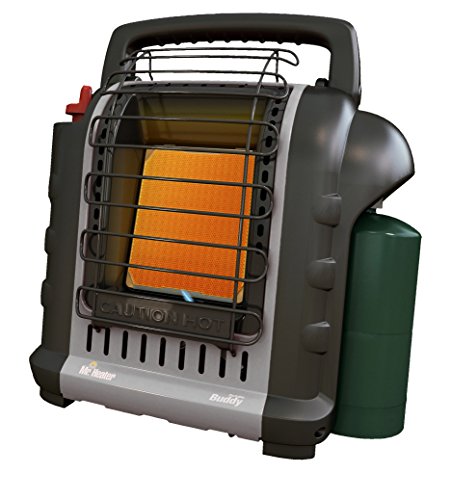
This portable radiant heater is designed for indoor and outdoor use and is commonly used in RVs, cabins, and small rooms. It provides 4,000 to 9,000 BTU and is rated for spaces up to 225 square feet. The unit is clean-burning and nearly 100% efficient as a propane radiant heater.
Safety features include an automatic shut-off if tipped over, if the pilot light goes out, or if low oxygen levels are detected. The manufacturer notes potential operation limits at altitudes above 7,000 feet, where the heater may shut off. The Buddy is portable and intended for temporary heating where ventilation and propane use comply with local codes.
Mr. Heater MHVFBF20LPT 20,000 BTU Blue Flame Vent Free Propane Heater
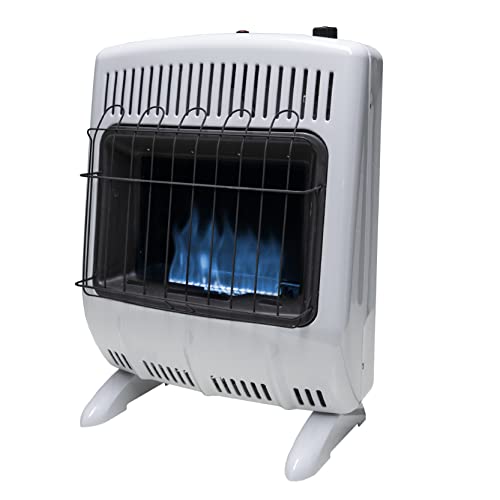
This wall-mounted vent-free propane heater delivers up to 20,000 BTU, suitable for larger rooms, additions, sunrooms, garages, and cabins. Rated to heat spaces up to 700 square feet, it is designed to operate reliably at elevations up to 4,500 feet.
Call 888-896-7031 for Free Local HVAC Quotes – Compare and Save Today!
Key operational features include a thermostat for temperature control and a battery-powered electronic ignition for startup. Built-in safety includes an Oxygen Depletion Sensor (ODS) that automatically shuts off the unit if oxygen levels fall below safe thresholds. Installation typically requires proper clearances and adherence to local building and venting codes.
GiveBest Portable Electric Space Heater With Thermostat

This compact ceramic electric heater offers two heat levels (1500W and 750W) plus a cool fan setting. Intended for small rooms and offices, it supports a thermostat setting that cycles the heater to maintain the preset temperature.
Safety systems include flame-retardant materials, overheat protection, and a tip-over switch that cuts power if the unit is knocked over. The model emphasizes portability with a carry handle and is suitable when fixed non-electric solutions are impractical or when users prefer an electric alternative.
Dreo Space Heaters For Indoor Use, 1500W Fast Heating Portable Heaters

This 1500W PTC ceramic heater is designed to heat up quickly and cover rooms up to about 250 square feet. It features 70° oscillation to distribute warm air and multiple safety protections including tip-over and overheat safeguards, plus auto-off functions.
Call 888-896-7031 for Free Local HVAC Quotes – Compare and Save Today!
The product is ETL-listed and made with V-0 flame-retardant materials. While electric rather than propane, it is presented as a safe indoor heating option with modern safety circuitry suitable for homes, offices, and bedrooms.
Dreo Space Heater For Indoor Use, 25″ Fast Electric Heater With Remote

This tower-style ceramic electric heater emphasizes longer-range airflow and quieter operation. It offers multiple modes, remote control, a child lock, and ETL certification. Safety features include 45° tip-over protection and overheat protection.
The model targets larger rooms where even air distribution and low noise are desired. As an electric option, it does not rely on combustion or fuel ventilation but does require appropriate electrical supply and avoidance of extension cords as recommended by the manufacturer.
Buying Guide: How To Choose A Safe Indoor Non-Electric Heater
When evaluating heaters for indoor use, especially non-electric options, consider these key factors to balance safety, performance, and compliance.
Type And Heat Source
- Propane Radiant Heaters: Provide direct warmth to people and objects; effective in small, well-ventilated spaces and for spot heating (e.g., Mr. Heater Buddy).
- Vent-Free Blue Flame Heaters: Heat the ambient air using combustion with high efficiency; require proper installation and attention to ventilation and local codes (e.g., Mr. Heater 20,000 BTU).
- Electric Heaters: No combustion, no fuel storage, and often include advanced safety electronics; useful alternatives when non-electric options are restricted or undesired.
Safety Features To Prioritize
- Oxygen Depletion Sensor (ODS): Essential for combustion-based indoor heaters to shut off if oxygen drops to unsafe levels.
- Tip-Over Protection: Shuts the unit off if knocked over; critical for portable heaters used in high-traffic areas.
- Overheat Protection: Prevents internal temperatures from reaching dangerous levels and reduces fire risk.
- Certification: Look for ETL, CSA, or other recognized safety testing marks for either electric or gas appliances.
Installation, Ventilation, And Local Codes
- Combustion heaters may have clearance and ventilation requirements. Follow manufacturer instructions and local building codes.
- Vent-free heaters introduce combustion products into the room; ensure adequate fresh air and follow any restrictions for bedrooms, bathrooms, or sleeping areas.
- Wall-mounted or permanent units may require professional installation and gas-line hookups; portable propane heaters require safe fueling, storage, and cylinder handling.
Indoor Air Quality Considerations
- Non-electric combustion heaters produce water vapor and trace combustion byproducts; monitor humidity and CO exposure when using indoor propane or gas units.
- Carbon monoxide detectors are recommended wherever fuel-burning appliances are used, even if units include ODS or other safety sensors.
- Proper maintenance and using the specified fuel type minimize incomplete combustion and byproduct formation.
Heating Capacity And Coverage
- Match BTU output or wattage to room size. Propane BTUs indicate combustion heat output; electric heaters list wattage and estimated coverage.
- Radiant heaters heat people and objects directly and may feel warmer at lower ambient temperatures, while convective heaters warm air for whole-room comfort.
- Consider insulation, ceiling height, and draftiness when estimating required capacity.
Operational Practicalities
- For portable non-electric units, evaluate fuel supply logistics (propane cylinder size, storage, replacement frequency).
- For electric alternatives, verify outlet capacity, circuit load, and avoid high-draw circuits or unapproved extension cords.
- Assess noise, oscillation, and thermostat control for daily usability in bedrooms, offices, or living rooms.
Multiple Comparison Perspectives
- Safety vs. Convenience: Combustion heaters can offer higher output without electrical dependence but require fuel handling and ventilation; electric heaters are simpler to operate with fewer indoor air concerns.
- Cost of Operation: Propane consumption rates vary and affect operational cost; electric heaters consume wattage that ties to electricity rates—compare both for expected use patterns.
- Use Case: For temporary heat in unheated spaces or in outages, portable propane radiant heaters provide off-grid heat. For continuous indoor use in residences, electric models may be easier to integrate and maintain.
Maintenance And Lifespan
- Inspect combustion heaters regularly for leaks, corrosion, or pilot issues; replace components per manufacturer schedules.
- Electric units require less routine upkeep but should be cleaned of dust, have cords checked, and be stored safely when not in use.
- Keep manufacturer manuals and follow recommended service intervals for longevity and safety compliance.
Use these criteria to assess which model best fits your space, safety needs, and local regulations. When selecting a heater, verify installation requirements, confirm applicable safety certifications, and ensure you have appropriate detectors and ventilation when using combustion-based indoor heaters.
Tips for Getting the Best HVAC Prices
- Prioritize Quality Over Cost
The most critical factor in any HVAC project is the quality of the installation. Don’t compromise on contractor expertise just to save money. - Check for Rebates
Always research current rebates and incentives — they can significantly reduce your overall cost. - Compare Multiple Quotes
Request at least three estimates before making your choice. You can click here to get three free quotes from local professionals. These quotes include available rebates and tax credits and automatically exclude unqualified contractors. - Negotiate Smartly
Once you've chosen a contractor, use the proven strategies from our guide — How Homeowners Can Negotiate with HVAC Dealers — to get the best possible final price.