
Choosing a plug-in heater with strong safety features reduces fire risk and increases peace of mind for homes with children, pets, or older adults. Below is a concise comparison of five plug-in heaters selected for safety, low wattage operation, overheat protection, and user-friendly controls.
| Product | Type | Key Safety Feature |
|---|---|---|
| ENVI Plug-in Electric Panel Wall Heater | Low-Wattage Wall Panel | Wall-sense Safety Sensor, Cool Surface |
| GiveBest Programmable 450W Space Heater | Plug-In Outlet Heater | Low Wattage, ETL Listed |
| Good Housekeeping Digital Ceramic 750W | Plug-In Ceramic Heater | Adjustable Thermostat, Digital Controls |
| Brightown 800W Wall Outlet Space Heater | Wall Outlet Heater | Overheat Protection, ECO Mode |
| GiveBest 800W Wall Outlet Space Heater | Wall Outlet Heater | Low Energy Design, Remote Control |
Content Navigation
- ENVI Plug-In Electric Panel Wall Heater
- GiveBest Programmable 450W Space Heater
- Good Housekeeping Digital Ceramic 750W Heater
- Brightown 800W Wall Outlet Space Heater
- GiveBest 800W Wall Outlet Space Heater With Remote
- Buying Guide For The Safest Plug-In Heaters
- 1. Safety Certifications And Listings
- 2. Wattage And Circuit Load
- 3. Overheat Protection And Tip/Removal Sensors
- 4. Surface Temperature And Placement
- 5. Thermostat, Timer, And Programmability
- 6. Fan-Less Vs. Forced-Air
- 7. Plug Design And Outlet Compatibility
- 8. Intended Space And Heat Output
- 9. Build Quality And Mounting Instructions
- 10. Maintenance And Warranty
- Comparison Perspectives
ENVI Plug-In Electric Panel Wall Heater
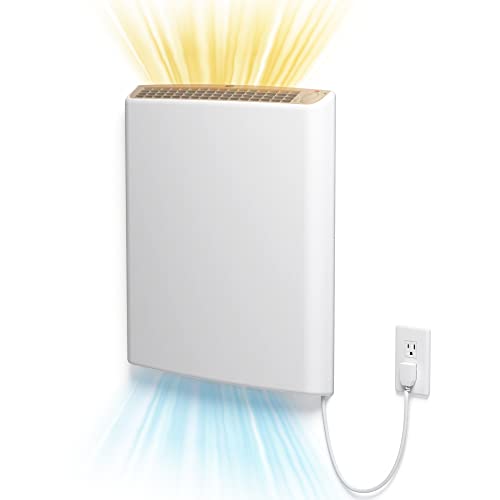
This ENVI wall-mounted panel is designed for continuous, low-wattage operation and emphasizes safety. The unit operates at a cool 90°F surface temperature and includes a wall-sense safety sensor that cuts power if removed from the wall. Its fan-less convection design reduces airborne dust circulation and runs silently, making it suited for bedrooms and allergy-sensitive spaces.
Features referenced: energy-efficient low-wattage heating for targeted rooms, safe and user-friendly design with sensor cutoff, quiet fan-less heating and auto-dimming power light. Installation is indicated as simple and the product is made in the USA.
GiveBest Programmable 450W Space Heater

The GiveBest 450W plug-in heater focuses on low energy consumption to avoid circuit overloads in typical household outlets. It includes an LED display and adjustable thermostat that ranges from 60°F to 90°F, plus a timer and programmable settings for scheduled operation.
Call 888-896-7031 for Free Local HVAC Quotes – Compare and Save Today!
Features referenced: 450-watt low wattage operation for mild climates, adjustable temperature and LED display for precise control, and a 180° rotatable plug to fit varied outlet orientations. The product is ETL listed, indicating compliance with recognized safety standards.
Good Housekeeping Digital Ceramic 750W Heater

The Good Housekeeping ceramic plug-in unit delivers modest heat with digital controls and a user-adjustable thermostat. Ceramic elements heat quickly and typically include inherent thermal safety benefits due to stable PTC behavior.
Features referenced: two heat settings, digital display for setpoint feedback, and an adjustable thermostat. Digital controls can help maintain target temperatures and reduce runtime, indirectly contributing to a safer operating profile.
Brightown 800W Wall Outlet Space Heater

The Brightown 800W plug-in heater emphasizes safety features such as overheat protection and a low-power design to avoid circuit strain. It also offers an ECO mode to limit energy use while keeping a comfortable room temperature.
Call 888-896-7031 for Free Local HVAC Quotes – Compare and Save Today!
Features referenced: 800W low-power operation with overheat protection, remote control and LED display for hands-free adjustments, and a 180° rotatable plug. The product materials and certifications aim to support safe indoor use in rooms like bathrooms, offices, and RVs.
GiveBest 800W Wall Outlet Space Heater With Remote

This GiveBest 800W model balances higher output with plug-in convenience. It highlights low energy consumption relative to larger heaters, quiet operation, and remote control for easy temperature and timer adjustments without repeatedly handling the unit.
Features referenced: 800-watt low wattage for energy savings, remote control and LED display to monitor and set temperature/timer, and a 180° rotatable plug. The manufacturer positions it for small rooms up to about 100 square feet.
Buying Guide For The Safest Plug-In Heaters
1. Safety Certifications And Listings
Look For Recognized Certifications Such As ETL Or UL. These Listings Indicate The Unit Has Been Tested Against Safety Standards For Electrical And Thermal Risks.
2. Wattage And Circuit Load
Choose Low-Wattage Models (Typically 300–900W) If You Intend To Use Standard 120V Wall Outlets. Higher Wattage Units May Require Dedicated Circuits Or 240V Connections.
3. Overheat Protection And Tip/Removal Sensors
Select Heaters With Automatic Overheat Shutoff And, For Wall Units, Wall-Sense Or Removal Cutoff To Prevent Operation When Not Properly Mounted.
4. Surface Temperature And Placement
Cool-To-Touch Or Low-Surface-Temperature Designs Reduce Burn Risk For Children And Pets. Keep Units Away From Curtains, Bedding, Papers, And Other Flammable Materials.
5. Thermostat, Timer, And Programmability
Accurate Thermostats And Timers Reduce Run Time, Lower Energy Use, And Prevent Continuous Overheating. Digital Controls Or Remotes Improve Convenience Without Touching The Unit.
6. Fan-Less Vs. Forced-Air
Fan-Less Convection Heaters Offer Quiet Operation And Less Dust Circulation, While Fan-Forced Heaters Heat Faster But May Spread Dust And Noise. Consider Allergies And Noise Sensitivity.
7. Plug Design And Outlet Compatibility
Rotatable Plugs Help Fit Upside-Down Or Tight Outlets. Verify The Plug Matches Your Outlet Type And That The Unit Does Not Block Adjacent Sockets Important For Other Devices.
8. Intended Space And Heat Output
Match Heater Output To Room Size. Low-Wattage Plug-In Heaters Are Suited For Small Rooms, Bathrooms, RVs, And Offices. For Garages Or Large Spaces, Hardwired Or 240V Units Are More Appropriate.
9. Build Quality And Mounting Instructions
Review Manufacturer Mounting Guidelines For Wall Units. Sturdy Construction And Clear Installation Steps Help Ensure The Heater Remains Secure, Which Is A Key Safety Factor.
10. Maintenance And Warranty
Choose Units With Simple Maintenance Requirements (Occasional Dusting Only) And Clear Warranty Terms. A Reliable Warranty Can Indicate Manufacturer Confidence In Safety And Durability.
Tips for Getting the Best HVAC Prices
- Prioritize Quality Over Cost
The most critical factor in any HVAC project is the quality of the installation. Don’t compromise on contractor expertise just to save money. - Check for Rebates
Always research current rebates and incentives — they can significantly reduce your overall cost. - Compare Multiple Quotes
Request at least three estimates before making your choice. You can click here to get three free quotes from local professionals. These quotes include available rebates and tax credits and automatically exclude unqualified contractors. - Negotiate Smartly
Once you've chosen a contractor, use the proven strategies from our guide — How Homeowners Can Negotiate with HVAC Dealers — to get the best possible final price.
Comparison Perspectives
- Small Room Safety: Prefer low-wattage ceramic or panel heaters with overheat protection and programmable thermostats.
- Allergy/Noise Considerations: Fan-less convection or panel units produce less dust movement and operate quietly.
- Power Constraints: In older homes, choose lower-wattage models to reduce risk of tripping breakers or overloading circuits.
- Continuous Use: For 24/7 operation, select heaters with cool surface ratings and continuous-run safety sensors.