
Find reliable, safety-focused space heaters suitable for bedrooms, garages, patios, and workshops. Below is a quick comparison table of the five selected models so you can scan key features at a glance.
| Model | Primary Safety Feature | Heat Type / Use |
|---|---|---|
| Mr. Heater Portable Buddy MH9BX | Tip-Over Safety Switch / Indoor-Safe Design | Infrared Propane / Up To 225 Sq. Ft. |
| Dr Infrared Heater Portable 1500W | Tip-Over & Overheat Protection | Dual Infrared Quartz + PTC / Large Rooms |
| Heat Storm HS-1500-PHX-WIFI | Tip-Over Shut Off / Digital Thermostat | Infrared Wall-Mount / Wi‑Fi Control |
| BEYOND HEAT Milkhouse Heater | Tip-Over Switch & Overheat Protection | Electric Milkhouse Style / Garage & Workshop |
| Upwsma Small Portable Heater | Overheat & Tip-Over Auto Shutoff | Ceramic Desktop Heater / 750W-1500W |
Content Navigation
- Mr. Heater Portable Buddy Heater MH9BX
- Dr Infrared Heater Portable Space Heater
- Heat Storm HS-1500-PHX-WIFI Infrared Heater
- BEYOND HEAT Milkhouse Space Heater
- Upwsma Small Portable Space Heater
- Buying Guide: How To Choose The Safest Space Heater
- 1. Identify Your Intended Use And Location
- 2. Safety Features To Prioritize
- 3. Heat Type And Efficiency
- 4. Room Size And Output Matching
- 5. Mounting And Placement Considerations
- 6. Noise, Air Quality, And Special Needs
- 7. Energy Use And Controls
- 8. Fuel Source And Ventilation
- 9. Certification, Warranty, And Build Quality
- 10. Compare Use-Case Tradeoffs
Mr. Heater Portable Buddy Heater MH9BX
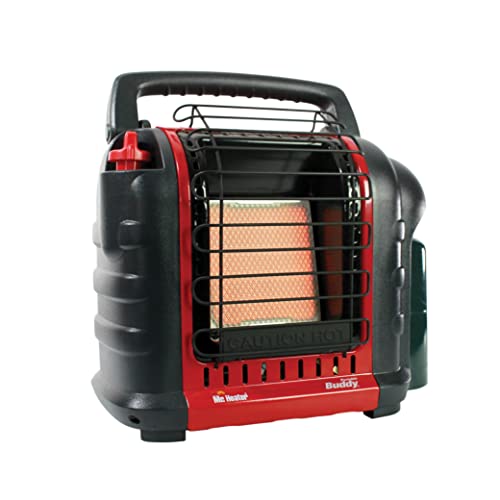
Heat Type: Propane Infrared Radiant. Output: 4,000–9,000 BTU for spaces up to 225 sq. ft.
This portable gas heater uses advanced infrared technology to directly warm objects and people. The unit includes an improved tip-over safety switch that audibly engages if shaken or tipped, plus a durable Piezo igniter for matchless ignition. Its design supports use in campers, workshops, patios, and job sites where an indoor-safe propane heater is needed.
Safety-focused features include a tested tip-over mechanism and a built-in ignition system that eliminates open-flame lighting. The heater provides immediate radiant warmth without needing electrical power, making it useful for locations where plug-in electric options are impractical. Follow manufacturer ventilation guidance and recommended clearance distances for safe operation.
Dr Infrared Heater Portable Space Heater
Call 888-896-7031 for Free Local HVAC Quotes – Compare and Save Today!
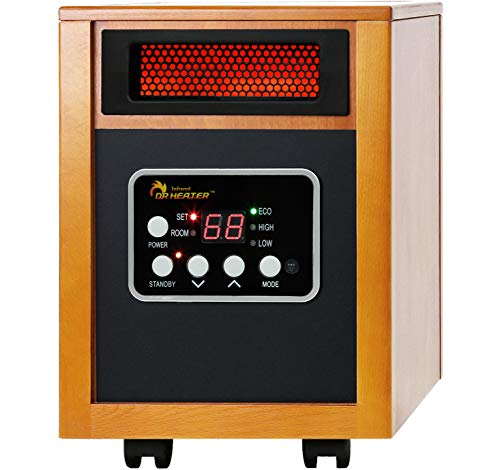
Heat Type: Dual Heating System (Infrared Quartz + PTC). Power: 1500-Watt, with remote control and timer.
This model combines infrared quartz tubes with a PTC heater and a low-noise blower to deliver efficient heat across larger rooms. It includes tip-over and overheat protection, a 12-hour shutoff timer, and energy-saving modes to moderate runtime. Noise levels are minimized by a high-pressure, low-noise blower designed for quiet operation in living spaces.
As a plug-in electric heater, it eliminates combustion risks associated with fuel-burning devices. Key safety systems protect against overheating and accidental tipping. The dual heating approach provides rapid initial warmth from the infrared tubes and sustained distribution from the PTC element and fan.
Heat Storm HS-1500-PHX-WIFI Infrared Heater

Heat Type: Wall-mounted infrared panel. Smart Features: Wi‑Fi enabled control and touchscreen thermostat.
This wall-mounted infrared heater saves floor space and offers remote temperature control via smartphone. It features a digital thermostat, a touch screen, and a remote. Built-in safety includes a tip-over shut off (relevant for portability variants) and temperature-based protections. The wall-mount design reduces accidental contact and obstruction in high-traffic rooms.
Call 888-896-7031 for Free Local HVAC Quotes – Compare and Save Today!
The infrared panel is meant for bedrooms, offices, and kitchens where a discreet, wall-mounted heat source is preferred. Wi‑Fi control allows set schedules and remote adjustments, which can help prevent excessive runtime and reduce energy waste while maintaining comfort safely.
BEYOND HEAT Milkhouse Space Heater

Heat Type: Electric milkhouse-style forced air ceramic heater. Power Levels: Fan-only, 1300W, 1500W.
This compact milkhouse heater targets small-to-medium indoor spaces, garages, or workshops. It features a thermostat, three heat settings, and an anti-freeze setting that activates below preset temperatures. Safety measures include a tip-over switch and an internal automatic overheat protection device. The unit has ETL certification for electrical safety compliance.
Built from durable materials intended for workshop environments, it combines targeted heating with safety cutoffs to reduce fire and burn risks. The multiple heat settings allow users to adjust output for efficient operation and to match room size and insulation levels.
Upwsma Small Portable Space Heater

Heat Type: Ceramic electric heater. Settings: 1500W, 750W, and cool fan mode.
This small ceramic heater offers a compact footprint for desks, bedrooms, or small home offices. It includes a thermostat control and multi-protection safety systems such as automatic overheat shutoff and tip-over protection. The housing uses flame-retardant materials and a six-foot power cord to increase placement flexibility.
As a ceramic heater, it provides fast warm-up and automatic thermal regulation, which reduces sustained high-temperature operation. The built-in protections and materials aim to lower the risk of fire and accidental burn hazards, particularly in household environments.
Buying Guide: How To Choose The Safest Space Heater
1. Identify Your Intended Use And Location
Decide whether you need a heater for bedrooms, living rooms, garages, patios, or RVs. Indoor electric heaters avoid combustion byproducts and are generally preferred for enclosed living spaces. Outdoor or well‑ventilated propane heaters can be useful for garages, patios, or job sites but require adherence to ventilation and clearance guidelines.
2. Safety Features To Prioritize
- Tip-Over Protection: Automatic shutoff if the unit falls—essential for homes with children or pets.
- Overheat Protection: Internal thermal cutoffs prevent sustained high temperatures that can cause fires.
- Cool-Touch Housing: Reduces burn risk on contact with the heater surface.
- Certification: Look for ETL, UL, or CSA listings to confirm independent safety testing.
- Smart Controls/Timers: Wi‑Fi, timers, and thermostats reduce wasted runtime and lower overheating risk.
3. Heat Type And Efficiency
Infrared/Radiant: Heats objects and people directly—good for spot heating and outdoor use. Ceramic/PTC: Rapidly warms air and has self-regulating properties. Forced air: Provides faster distribution but can stir dust. Choose based on the room layout and how quickly you need heat.
4. Room Size And Output Matching
Match heater output to room size. Electric heaters are rated by watts; 1500W is standard for most small-to-medium rooms. Propane BTU ratings indicate capacity for larger uninsulated spaces. Undersized heaters will run longer and may cycle more frequently, affecting efficiency and wear.
5. Mounting And Placement Considerations
Wall-mounted units preserve floor space and reduce accidental tipping. Portable heaters should be placed on stable, flat surfaces with recommended clearances from furniture, curtains, and combustible materials. Avoid operating near water sources unless unit is rated for damp locations.
6. Noise, Air Quality, And Special Needs
Consider blower noise levels for bedrooms or offices. Forced-air heaters may circulate dust; infrared models do not move air and are better for allergy-sensitive users. For homes with pets or children, choose models with cool-touch housings and tip-over shutoffs.
7. Energy Use And Controls
Thermostats, programmable timers, and multiple power settings help manage energy consumption. Dual heating systems and energy-saving modes reduce runtime and improve comfort without continuous high output.
8. Fuel Source And Ventilation
Electric heaters are plug-and-play and avoid combustion-related ventilation issues. Propane and other fuel-burning heaters require careful attention to ventilation, CO monitoring, and manufacturer instructions. Use carbon monoxide detectors where combustion appliances are used.
9. Certification, Warranty, And Build Quality
Verify ETL/UL/CSA listings and inspect materials—metal housings and stable bases increase durability. Check warranty coverage and manufacturer reputation for replacement parts and customer support, particularly if you plan frequent use in workshops or job sites.
10. Compare Use-Case Tradeoffs
- Portability vs Stability: Portable units are flexible but more prone to tipping; wall mounts are stable but permanent.
- Instant Heat vs Sustained Comfort: Infrared provides immediate warmth to occupants; ceramic/PTC systems offer more uniform air heating.
- Indoor Safety vs Outdoor Capability: Electric heaters are safer for enclosed spaces; propane excels outdoors or in ventilated areas.
When selecting a model, prioritize the safety features that match your household risks and the intended operating environment. Proper placement, adherence to manufacturer guidelines, and routine inspection are as important as the heater’s built-in protections.
Tips for Getting the Best HVAC Prices
- Prioritize Quality Over Cost
The most critical factor in any HVAC project is the quality of the installation. Don’t compromise on contractor expertise just to save money. - Check for Rebates
Always research current rebates and incentives — they can significantly reduce your overall cost. - Compare Multiple Quotes
Request at least three estimates before making your choice. You can click here to get three free quotes from local professionals. These quotes include available rebates and tax credits and automatically exclude unqualified contractors. - Negotiate Smartly
Once you've chosen a contractor, use the proven strategies from our guide — How Homeowners Can Negotiate with HVAC Dealers — to get the best possible final price.