
When choosing a heater for a garage, prioritize electrical safety, rugged construction, mounting options, and overheating protection. Below is a quick comparison of five space heaters selected for garage use, focusing on features relevant to safety and durability.
| Product | Type | Key Safety / Garage Features |
|---|---|---|
| Comfort Zone Garage Heater | Ceiling-Mounted Forced Air | Hard-Wired 240V, steel body, overheat protection, louvers for directional heat |
| NewAir 5600W Portable Garage Heater | High-Power Fan-Forced | High wattage for large spaces, rugged steel body, thermostat & auto-fan control |
| Dura Heat EUH1465 | Forced Air Pivoting Base | Steel construction, forced air, fan-only option |
| Dreo 25″ Ceramic Space Heater | Portable Ceramic Tower | ETL certification, overheat & tip-over protection, V0 flame-retardant materials |
| Dreo 1500W PTC Ceramic Heater | Portable Ceramic | ETL-certified, tip-over & overheat sensors, digital thermostat |
Content Navigation
Comfort Zone Garage Heater, 5,000-Watt, Ceiling Heater

The Comfort Zone Garage Heater Is Designed For Overhead Installation In Garages And Workshops. Its ceiling-mount design and hard-wired 240V configuration free floor space and reduce trip hazards from cords. The fan-forced unit helps distribute heat through adjustable louvers and an adjustable mounting angle.
- Construction: Heavy-gauge steel housing built for tougher environments.
- Installation: Hard-wired ceiling mount reduces exposed cords and placement near combustible surfaces.
- Safety: Built-in overheat protection and ETL listing for electrical safety compliance.
- Heat Control: Multiple heat settings with directional louvers for targeted warming.
For garages with limited floor space or where a permanent heating solution is preferred, this model emphasizes mounted safety and durable construction. Hard-wired installations should be completed by a qualified electrician and placed clear of flammable materials per manufacturer guidance.
NewAir 5600W Portable Electric Garage Heater

The NewAir Portable Electric Garage Heater Is A High-Capacity Fan-Forced Unit Intended For Larger Garages And Workshops. With substantial wattage and a robust steel exterior, it’s built to withstand workshop conditions while providing powerful airflow.
Call 888-896-7031 for Free Local HVAC Quotes – Compare and Save Today!
- Power & Coverage: High wattage designed to warm larger garage volumes compared to typical household heaters.
- Durability: Powder-coated steel body for impact and scratch resistance in busy work areas.
- Controls: Thermostat and auto-fan temp control to maintain setpoints without constant monitoring.
- Placement: Portable design with cord wrap and handle simplifies relocation; keep clear of combustibles.
This heater Suits Garages Where Higher Output And Rugged Construction Matter. Because of its power, ensure proper electrical supply and avoid using extension cords; follow manufacturer installation recommendations.
Dura Heat EUH1465 Electric Forced Air Heater
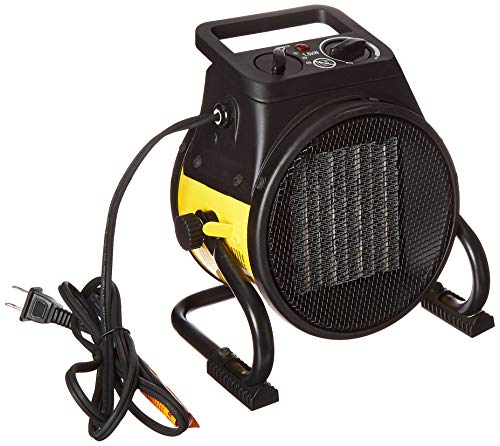
The Dura Heat EUH1465 Is A Compact Forced-Air Heater With A Pivoting Base, Suited For Workbenches, Garages, And Small Workshops. Its steel construction and straightforward controls focus on practical durability.
- Design: Rugged steel body intended for garage and light commercial use.
- Heat Delivery: Forced-air output for quick localized warming; pivoting base directs airflow where needed.
- Operating Modes: Heat and fan-only settings provide flexibility when only circulation is required.
- Portability: Compact footprint makes it easy to place near a workspace; maintain clearance from flammable items.
This Unit Works Well For Task-Focused Heating In Garages. While compact, it offers robust construction and simple operation, but confirm nearby surfaces and clearances per the manual to maintain safe operation.
Dreo Space Heater 25″ Ceramic With Remote

The Dreo 25″ Ceramic Tower Heater Offers Portable Ceramic Heating With Multiple Safety Features That Are Valuable In A Garage Setting. It Uses PTC ceramic elements And Advanced Airflow Design To Extend Heat Reach.
Call 888-896-7031 for Free Local HVAC Quotes – Compare and Save Today!
- Safety Certifications: ETL certification, V0 flame-retardant materials, reinforced plug.
- Protective Sensors: 45° tip-over and overheat protection reduce the risk of fire or accidental operation.
- Control & Comfort: Remote control, thermostat modes, and quieter operation at lower dB levels.
- Application: Portable and suitable for occupied garages where user presence and careful placement are consistent.
This Ceramic Tower Prioritizes sensor-based safety and material resistance. For garages used as workspaces, keep it away from dust, flammable liquids, and ensure stable placement to benefit from tip-over protection.
Dreo 1500W PTC Ceramic Heater With Thermostat

The Dreo 1500W PTC Ceramic Heater Is A Compact, ETL-Certified Option Featuring Built-In Tip-Over And Overheat Protection, Quiet Operation, And A Digital Thermostat. Designed Primarily For Indoor Rooms, Its Safety Features Make It Applicable For Well-Controlled Garage Use.
- Certifications & Materials: ETL-certified with V0 flame-retardant materials for improved safety profile.
- Safety Systems: Smart tip-over detection, overheat protection, and an automatic power-off timer.
- Performance: Rapid PTC ceramic heating with coverage suitable for smaller garage spaces or zoned heating near a workstation.
- Noise & Convenience: Low noise levels and a timer for unattended use when monitored appropriately.
Best Used In Garages Where The Heater Is Kept Clear Of Dust, Fumes, And Flammable Materials. The integrated sensors add protection, but portable ceramic heaters are generally best for intermittent, supervised use in garage spaces.
Buying Guide: Choosing The Safest Garage Space Heater
Selecting a heater for a garage requires balancing heat output with safety features and installation suitability. Below are the main considerations to compare across models.
Type And Installation
- Ceiling-Mounted Forced Air: Ideal when floor space is limited and when permanent, hard-wired installation is acceptable. Reduces trip hazards and cord exposure.
- Portable Fan-Forced: Offers strong airflow and quick heat for larger garages; ensure stable placement and clearance from combustibles.
- PTC Ceramic / Tower Heaters: Good for targeted, quieter heating in occupied garages; typically lower wattage and safer in close quarters but less effective for large volumes.
Safety Certifications And Materials
- ETL/UL Listings: Look for recognized safety certifications indicating testing to electrical safety standards.
- Flame-Retardant Housing: V0-rated or flame-retardant materials add protection against ignition.
- Overheat Protection: Automatic shutoff if internal temps exceed safe limits minimizes fire risk.
- Tip-Over Sensors: Essential for portable units to cut power if knocked over.
Power, Coverage, And Electrical Requirements
- Wattage vs Space: Match heater wattage to garage size. Higher-watt units warm larger spaces more effectively.
- Dedicated Circuits: High-power heaters may require dedicated circuits or 240V wiring—verify supply and consult an electrician for hard-wired models.
- Avoid Extension Cords: Many manufacturers explicitly advise against extension cords for high-draw heaters to prevent overheating and electrical hazards.
Placement, Mounting, And Clearances
- Ceiling or Wall Mount: Keeps heater away from floor-level flammable materials and dust but requires professional installation and proper clearances.
- Floor Placement: Ensure stable, level surfaces away from petrol, solvents, wood shavings, and other flammables.
- Airflow Direction: Use louvers, pivoting bases, or oscillation to target heat while maintaining safe distances from items that could overheat.
Durability And Environmental Factors
- Rugged Construction: Steel housings and powder-coating resist impact and wear in workshop settings.
- Dust And Fume Exposure: Garages often have dust, oil, or chemical vapors—place heaters away from these and avoid using in areas with flammable vapors.
- Moisture Considerations: Most residential space heaters are not rated for damp or outdoor exposure; choose indoor-rated units and keep them dry.
Control Features And Monitoring
- Thermostats: Programmable or digital thermostats maintain set temperatures and reduce continuous high-power draw.
- Timers: Timers and automatic shutoff reduce the risk of unattended continuous operation.
- Remote/Smart Control: Useful for preheating, but remote use should still follow safety guidance and not replace responsible monitoring.
Comparison Perspectives
- Best For Permanent Garage Heating: Ceiling-mounted, hard-wired forced-air units that remove cords and provide zoned distribution.
- Best For Portable High Output: Rugged fan-forced units with substantial wattage and steel construction for workshops needing quick, strong heat.
- Best For Supervised, Close-Range Use: ETL-certified ceramic heaters with tip-over and overheat protection for intermittent use near workstations.
Maintenance And Safe Operation
- Regular Cleaning: Remove dust and debris from intake grills and fans to maintain efficient, safe operation.
- Inspection: Check cords, plugs, and mounting hardware periodically for damage or loose connections.
- Follow Manuals: Adhere to manufacturer spacing, clearance, and usage recommendations, especially regarding flammable materials and extension cord use.
When selecting the safest garage heater, weigh the tradeoffs between permanent installation and portability, confirm electrical requirements, and prioritize models with recognized safety certifications and multiple protective sensors.
Tips for Getting the Best HVAC Prices
- Prioritize Quality Over Cost
The most critical factor in any HVAC project is the quality of the installation. Don’t compromise on contractor expertise just to save money. - Check for Rebates
Always research current rebates and incentives — they can significantly reduce your overall cost. - Compare Multiple Quotes
Request at least three estimates before making your choice. You can click here to get three free quotes from local professionals. These quotes include available rebates and tax credits and automatically exclude unqualified contractors. - Negotiate Smartly
Once you've chosen a contractor, use the proven strategies from our guide — How Homeowners Can Negotiate with HVAC Dealers — to get the best possible final price.