
Choosing the best sailboat hatch air conditioner requires balancing cooling efficiency, durability, and ease of installation. In this guide, we review five top units suitable for sailboats and similar small spaces, focusing on their power, build, and special features to help you find the ideal match. Below is a summary table of the selected products for quick comparison.
| Product | BTU Cooling Capacity | Power Source | Feature Highlights |
|---|---|---|---|
| ASA Electronics ACM135 Advent Air 13,500 BTU | 13,500 BTU | 115 Volt AC | Rigid metal base pan, watertight vent gasket |
| FOGATTI RV Air Conditioner InstaCool 13500BTU | 13,500 BTU | 115V | Dual compressors, eco-friendly refrigerant, weatherproof casing |
| ASA Electronics ACM150B RV Trailer Air Conditioner 15,000 BTU | 15,000 BTU | 115 Volt AC | Ducted/non-ducted system, overload protector, multiple blower speeds |
| ASA Electronics ACM135B RV Trailer Air Conditioner 13,500 BTU | 13,500 BTU | 115 Volt AC | Ducted/non-ducted, freeze-up prevention, three blower speeds |
Content Navigation
ASA Electronics ACM135 Advent Air 13,500 BTU Roof Top AC
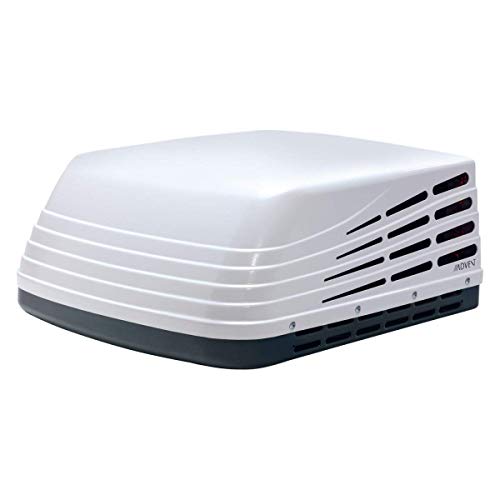
The ASA Electronics ACM135 Advent Air offers 13,500 BTUs of power ideal for sailboats requiring efficient and durable cooling. It operates on 115 Volt AC power, making it compatible with standard marine electrical systems. The roof-top unit features a rigid metal constructed base pan for enhanced durability and stability under marine conditions.
This model includes a premium, thick, watertight vent opening gasket supported by six dense foam pads. This design provides a strong seal against water intrusion, critical for a sailboat’s hatch environment. Its compact form and solid construction ensure reliable cooling while maintaining weather resistance.
FOGATTI RV Air Conditioner InstaCool 13500BTU Non-Ducted

This FOGATTI InstaCool 13,500 BTU is specifically designed for quick and efficient cooling. Featuring dual high-efficiency compressors, it accelerates cooling speed while using the eco-friendly R32 refrigerant for reduced environmental impact. Its non-ducted design simplifies installation and airflow management within confined spaces like hatch cabins.
The air conditioner offers optimized fan technology and smart temperature controls for efficient energy consumption. The weatherproof casing made from high-strength HIPS resists UV damage and physical impacts, ideal for the demanding marine environment. This unit balances power with cost-effective operation.
ASA Electronics ACM150B 15,000 BTU RV Trailer Air Conditioner

With 15,000 BTUs, the ASA Electronics ACM150B provides increased cooling capacity for larger sailboat spaces or warmer climates. It supports both ducted and non-ducted system configurations, adding versatility depending on your hatch or cabin design.
Key features include three blower speeds to customize airflow and an overload protector to safeguard the unit during high demand. The black exterior provides a sleek aesthetic, while the unit’s design supports reliable and consistent cooling performance suitable for marine conditions.
ASA Electronics ACM135B 13,500 BTU RV Trailer Air Conditioner

The ASA Electronics ACM135B offers reliable 13,500 BTU cooling with essential features for marine use. It supports both ducted and non-ducted setups, allowing flexible installation. This model incorporates a non-ozone depleting refrigerant, aligning with eco-conscious practices.
The cooling fins have a silicone coating that effectively reduces freeze-ups, which improves airflow and enhances cooling efficiency in varying marine climates. It includes an overload protector and three blower speeds, making it a practical and efficient option for hatch air conditioning.
Buying Guide for Sailboat Hatch Air Conditioners
Selecting the right air conditioner for a sailboat hatch involves several important factors:
- Cooling Capacity (BTU): Ensure the BTU rating matches your hatch or cabin size. Higher BTUs provide stronger cooling but consume more power.
- Power Compatibility: Most marine AC units operate on 115 Volt AC. Verify your boat’s electrical system supports the unit’s voltage requirements.
- Durability and Weather Resistance: Marine environments require robust construction with watertight seals and corrosion-resistant materials.
- Installation Type: Choose between ducted and non-ducted systems depending on your boat’s hatch design and ventilation needs.
- Energy Efficiency: Look for units with smart temperature control and efficient compressors to reduce energy consumption.
- Noise Level: Since hatches are confined spaces, quieter operation enhances comfort during use.
- Environmental Impact: Refrigerants like R32 are preferred for eco-friendliness and reduced ozone impact.
By considering these aspects, you can optimize comfort and system performance while navigating marine conditions.