
Choosing the right gas sauna heater depends on fuel type, installation, venting, and room size. Below is a concise comparison of five gas and gas-compatible heaters that suit different sauna or heating applications, followed by focused product breakdowns and a detailed buying guide to help match features to needs.
| Product | Fuel Type | Primary Use |
|---|---|---|
| Scandia Manufacturing 240 Sauna Heater | Liquid Propane | Dedicated Sauna Heater (Steam-Rock Tray) |
| Mr. Heater Big Maxx MHU80NG | Natural Gas | Large Space Unit Heater / Commercial |
| ProCom MN300HBA-B Ventless Blue Flame Heater | Natural Gas | Indoor Zone Heat, No Electricity Required |
| Dyna-Glo IR30NMDG-1 Infrared Wall Heater | Natural Gas | Infrared Radiant Heating For Workspaces |
| Mr Heater Portable LP Unit | Liquid Propane | Portable, Small Area Heat |
Content Navigation
- Scandia 240 LP Sauna Heater
- Mr. Heater Big Maxx MHU80NG
- ProCom MN300HBA-B Ventless Blue Flame
- Dyna-Glo IR30NMDG-1 Infrared Wall Heater
- Mr Heater Portable LP Gas Heater
- Buying Guide: How To Choose A Gas Sauna Heater
- 1. Dedicated Sauna Gas Heaters vs General Gas Heaters
- 2. Fuel Type And Availability
- 3. Venting And Combustion Air
- 4. Heating Profile: Steam vs Radiant vs Forced Air
- 5. Size, BTU, And Room Volume
- 6. Materials, Durability, And Sauna Environment
- 7. Controls, Ignition, And Safety Features
- 8. Installation And Local Codes
- 9. Maintenance And Operating Costs
- 10. Matching Heater Type To Use Case
Scandia 240 LP Sauna Heater
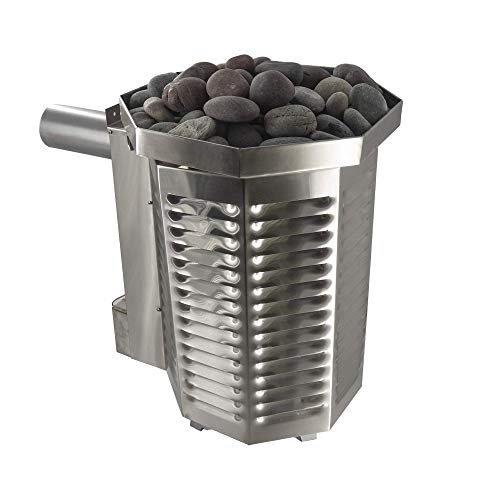
The Scandia 240 is a purpose-built liquid propane sauna heater designed to deliver traditional sauna heat and steam using an extensive rock tray. Its stainless steel body and horizontal venting are engineered for sauna environments.
- Cost Effective: Uses gas combustion rather than replaceable electric elements; designed for operating efficiency.
- Stainless Steel Construction: 321-spec components resist corrosion in high-moisture sauna conditions and include an extra-large rock tray to support steam infusion.
- Heating Capacity: Rated to heat enclosed sauna volumes up to approximately 616 cubic feet, suitable for many residential and small commercial sauna rooms.
- Controls: Includes piezo ignition and a 60-minute timer for basic runtime control.
As a dedicated sauna appliance, this unit emphasizes rock-based steaming and durable materials. Installation requires proper LP connections and ventilation consistent with local codes for gas-burning sauna heaters.
Mr. Heater Big Maxx MHU80NG
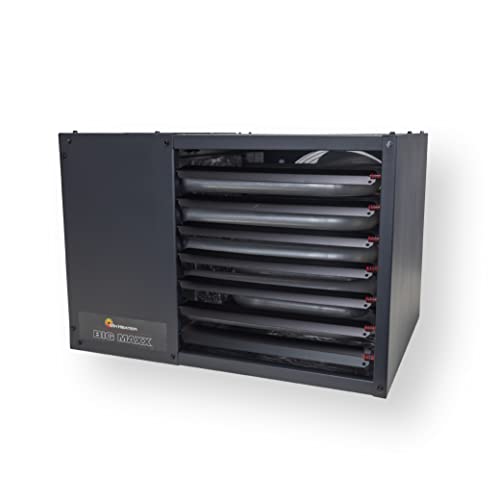
The Mr. Heater Big Maxx MHU80NG is a high-capacity natural gas unit heater intended for large garages, shops, or commercial spaces. It provides substantial BTU output with forced-air distribution.
Call 888-896-7031 for Free Local HVAC Quotes – Compare and Save Today!
- Output: 80,000 BTU suitable for heating very large volumes up to thousands of square feet, depending on insulation and layout.
- Venting Options: Supports Category 1 vertical and Category 3 horizontal venting configurations; requires appropriate venting per installation location.
- Package: Ships with two mounting brackets and an LP conversion kit; thermostat, hose, and regulator are not included.
- Electrical: Uses 120 V power for fans and controls; requires clearances and space for safe installation.
While not a dedicated sauna heater, this unit can provide rapid heat to larger change rooms or auxiliary spaces. For traditional sauna heat and rock-steam generation, a sauna-specific gas heater is preferred.
ProCom MN300HBA-B Ventless Blue Flame

The ProCom MN300HBA-B is a ventless, natural gas blue flame heater intended for indoor supplemental heating without electrical power. It emphasizes simple manual control and safety features for off-grid or low-electricity installations.
- Capacity: Up to 30,000 BTU, marketed to heat areas up to approximately 1,400 sq. ft. depending on conditions.
- No Electricity Required: Piezo ignition and manual control allow operation without mains power.
- Safety: Includes an Oxygen Depletion Sensor (ODS) for automatic shut-off if oxygen levels fall.
- Controls: Manual low/medium/high settings for basic output selection.
This unit is best for supplemental space heating rather than a dedicated sauna application. Ventless operation requires careful consideration of combustion air and indoor air quality for enclosed spaces like saunas.
Dyna-Glo IR30NMDG-1 Infrared Wall Heater

The Dyna-Glo IR30NMDG-1 is a natural gas infrared wall heater that uses radiant heat to warm objects and people directly. Its design mimics sunlight-like radiant heating rather than heating large volumes of air.
Call 888-896-7031 for Free Local HVAC Quotes – Compare and Save Today!
- BTU Rating: Up to 30,000 BTU, suitable for targeted radiant heating in medium-sized open areas.
- Infrared Technology: Radiates heat to objects and occupants first, which can feel efficient in poorly insulated or drafty spaces.
- Installation: Natural gas ready; fuel conversion typically not permitted so confirm fuel compatibility before purchase.
Radiant units like this provide a different heating profile than steam-based sauna heaters. They may be appropriate for warming a changing area or adjoining space but are not a direct substitute for a rock-steam sauna heater.
Mr Heater Portable LP Gas Heater
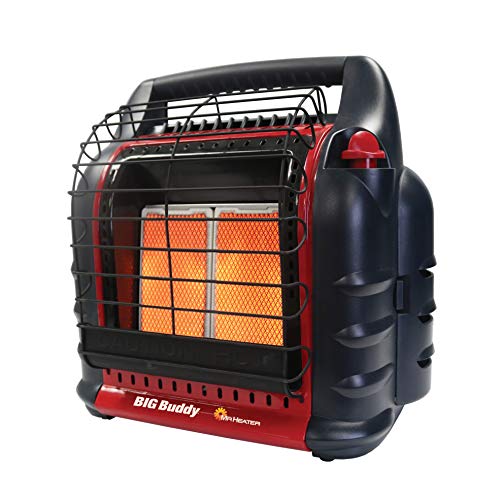
The Mr Heater Portable LP is a versatile propane-fired portable heater with multiple BTU settings for small spaces and outdoor or temporary use. It emphasizes mobility and simple operation with safety cutoffs.
- Output Range: Adjustable 4,000 to 18,000 BTU to tailor heat for small rooms, porches, or temporary enclosures.
- Dual Tank Connection: Can connect to larger propane supplies for extended run times.
- Safety: Automatic shut-off if the unit tips over; piezo ignition for reliable starts.
This unit is designed for portable heating needs. For a dedicated sauna, it lacks the rock tray, steam generation, and enclosure-specific controls typical of sauna heaters, but it can serve as emergency or auxiliary heat where permitted.
Buying Guide: How To Choose A Gas Sauna Heater
Selecting the right gas-powered solution requires matching the heater type to the intended sauna experience, room characteristics, and installation constraints. Below are key considerations and comparison perspectives.
1. Dedicated Sauna Gas Heaters vs General Gas Heaters
- Dedicated Sauna Heaters (e.g., Scandia): Designed for rock trays, steam creation, appropriate surface materials, and sauna-specific mounting/venting. Best choice for traditional steam saunas.
- General Gas Heaters (e.g., unit heaters, radiant, ventless): Built for space heating, garages, or workshops. They may heat adjacent or larger spaces effectively but typically do not support rock-based steam safely or comfortably in a sauna enclosure.
2. Fuel Type And Availability
- Natural Gas: Often cheaper per BTU and suitable for fixed installations with a natural gas line. Requires proper venting and sometimes electrical power for fans or controls.
- Liquid Propane (LP): Useful where natural gas is unavailable; common for dedicated sauna heaters designed for LP. Requires safe cylinder or bulk tank handling and regulator setup.
3. Venting And Combustion Air
- Vented Heaters: Require exhaust chimneys or flues; essential for indoor saunas to remove combustion byproducts and control humidity safely.
- Ventless/Blue Flame: Do not require a vent but consume indoor oxygen and release combustion products into the room. Not typically recommended for small, enclosed saunas without robust fresh air makeup and code compliance.
4. Heating Profile: Steam vs Radiant vs Forced Air
- Rock Tray Steam Heaters: Provide traditional sauna experience—high temperatures and steam when water is applied to hot rocks.
- Radiant Heaters: Heat objects and occupants directly; useful for rapid perceived warmth but not intended for steam production.
- Forced-Air Unit Heaters: Move heated air with blowers; effective for larger spaces but may not provide the dry/steamy gradients sought in saunas.
5. Size, BTU, And Room Volume
- Calculate room cubic feet (length × width × height). Manufacturers often list recommended coverage—match BTU or cubic-foot capacity to room size.
- Overpowered units can create unsafe temperatures or moisture dynamics; underpowered units will struggle to reach typical sauna temperatures.
6. Materials, Durability, And Sauna Environment
- Choose corrosion-resistant materials (e.g., 300-series stainless) for sauna heaters due to high humidity and thermal cycles.
- Rock trays and mounting components should be rated for sauna temperatures to avoid premature degradation.
7. Controls, Ignition, And Safety Features
- Ignition: Piezo or electronic ignition choices affect reliability and electrician needs.
- Controls: Timers, thermostats, and remote or wall-mounted controllers provide user convenience and safe temperature management.
- Safety: Oxygen Depletion Sensors, tip-over shutoff, and automatic shutoffs are critical for gas appliances; ensure units include required safety features and that local codes are followed.
8. Installation And Local Codes
- Gas installations typically require licensed installers. Confirm venting, clearance, and combustion air requirements for your jurisdiction.
- Conversion kits may be supplied for LP/natural gas changes—ensure conversions are performed by qualified technicians.
9. Maintenance And Operating Costs
- Gas heaters require periodic inspection of burners, valves, and venting; rock trays may need cleaning or rock replacement over time.
- Compare fuel efficiency and duty-cycle expectations; some units are more energy-efficient in certain load profiles.
10. Matching Heater Type To Use Case
- If Your Goal Is A Traditional Steam Sauna: Prioritize dedicated sauna gas heaters with rock trays and sauna-rated materials.
- If You Need Large Space Or Garage Heat: Consider high-BTU unit heaters or forced-air natural gas units.
- If Portability Or Temporary Heat Is Required: Portable LP units offer mobility but are not sauna-specific.
- If Radiant Warmth For Occupants Is Desired: Infrared gas wall heaters provide object-focused heat but do not generate steam.
When evaluating models, compare listed coverage, venting requirements, safety certifications, and whether the appliance is explicitly designed for sauna use. For any gas-fired sauna heater, consult local building codes and a licensed gas technician for safe installation and compliance.
Tips for Getting the Best HVAC Prices
- Prioritize Quality Over Cost
The most critical factor in any HVAC project is the quality of the installation. Don’t compromise on contractor expertise just to save money. - Check for Rebates
Always research current rebates and incentives — they can significantly reduce your overall cost. - Compare Multiple Quotes
Request at least three estimates before making your choice. You can click here to get three free quotes from local professionals. These quotes include available rebates and tax credits and automatically exclude unqualified contractors. - Negotiate Smartly
Once you've chosen a contractor, use the proven strategies from our guide — How Homeowners Can Negotiate with HVAC Dealers — to get the best possible final price.