
Finding the right heating solution for a school bus involves safety, reliability, and compatibility with vehicle systems. Below is a quick summary of five Amazon items selected for relevance to bus heating, insulation, and maintenance.
| Product | Type | Key Feature |
|---|---|---|
| Seymour 20-1686 Big Rig Professional Coatings Spray Paint | Protective Coating | High-solids, rust and weather protection |
| Mr. Heater Portable Buddy Heater MH9BX | Portable Propane Heater | 4,000–9,000 BTU radiant heat, indoor-safe features |
| KOOUFE School Bus Windshield Sunshade (Bus XXL) | Sunshade / UV Blocker | 240T UV-blocking fabric, 51″ x 102″ |
| SANDJEST School Bus Driver Tumbler | Insulated Drink Container | 12oz stainless insulated design for temperature retention |
| Yuxung 48 Pcs School Bus Iron on Patches | Visibility / Patch Repair | Iron-on embroidered patches for interior fabrics |
Content Navigation
- Mr. Heater Portable Buddy Heater MH9BX — Compact Propane Heater
- KOOUFE School Bus Windshield Sunshade — XXL UV Blocking Cover
- Seymour 20-1686 Big Rig Professional Coatings Spray Paint — Bus Yellow Protection
- SANDJEST School Bus Driver Tumbler — Insulated 12oz Stainless Cup
- Yuxung 48 Pcs School Bus Iron On Patches — Fabric Repair & Visibility
- Buying Guide — Choosing The Right School Bus Heating And Thermal Solutions
Mr. Heater Portable Buddy Heater MH9BX — Compact Propane Heater
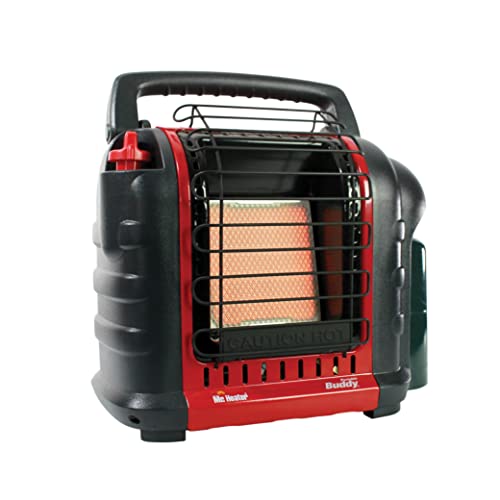
Product Type: Portable propane radiant heater designed for enclosed spaces where approved. Key Features: adjustable output from 4,000 to 9,000 BTUs, infrared radiant heating that warms objects and people directly, built-in Piezo igniter, and an improved tip-over safety switch.
This unit provides radiant heat, which can be effective for quickly warming a driver area or a small compartment inside a bus when used in accordance with safety guidelines. The heater’s tip-over protection and controlled ignition improve operational safety compared to open-flame alternatives.
Considerations: this heater relies on propane, so fuel storage, ventilation, and carbon monoxide monitoring are essential. The manufacturer rates it for spaces up to 225 sq. ft. — assess bus compartment volume and airflow before deployment. Confirm compliance with school district and local safety codes for propane devices inside passenger vehicles.
KOOUFE School Bus Windshield Sunshade — XXL UV Blocking Cover

Call 888-896-7031 for Free Local HVAC Quotes – Compare and Save Today!
Product Type: Large windshield sunshade made from reinforced 240T nylon polyester. Key Features: 51″ x 102″ universal sizing, UV reflective material, heat-resistant design to reduce interior heat build-up.
While not a heater, a quality sunshade reduces thermal load on the bus interior by reflecting solar radiation. In colder climates, managing solar gain and loss affects how much auxiliary heating is required. Reducing daytime heat loss through glass can improve occupant comfort when heaters operate.
Use cases include protecting dashboards and seating from UV damage and reducing pre-heater workload. Confirm fit and attachment method for the bus windshield and check materials for durability under frequent installation and storage.
Seymour 20-1686 Big Rig Professional Coatings Spray Paint — Bus Yellow Protection

Product Type: High-solids aerosol coating formulated for fleet maintenance. Key Features: lead-free, covers 3–4 times more than standard aerosols, protects against rust, weather, oil, gasoline, and many corrosive chemicals.
Protective coatings extend the service life of bus body panels and components exposed to road salt and weather. Corrosion control is indirectly related to heating systems because heaters and their fuel lines often route near body panels and undercarriage areas. Maintaining protective finishes reduces the risk of rust-related leaks or compromised mounting surfaces for heating equipment.
Call 888-896-7031 for Free Local HVAC Quotes – Compare and Save Today!
Application notes: follow surface prep and curing guidelines. For heaters mounted or routed near treated surfaces, verify compatibility with coating solvents and heat exposure limits in product documentation.
SANDJEST School Bus Driver Tumbler — Insulated 12oz Stainless Cup

Product Type: Insulated beverage tumbler designed in a school bus motif. Key Features: 12oz stainless steel insulation, 4-in-1 design to fit various can/bottle sizes, and extended cold retention.
Though not a heater, an insulated tumbler supports driver comfort by preserving beverage temperature during route operations. Maintaining warm beverages for driver comfort can reduce reliance on high-output in-cab heaters for short-term comfort needs, especially during early-morning routes.
Material and insulation performance can also indicate how interior accessories contribute to perceived warmth. Verify cup stability and mounting methods to avoid spills while driving.
Yuxung 48 Pcs School Bus Iron On Patches — Fabric Repair & Visibility

Product Type: Assorted embroidered iron-on patches with hot-adhesive backing. Key Features: 48-piece set, multiple sizes and designs, easy iron-on or sew-on application.
Patches are useful for quick interior fabric repairs on seat covers, curtains, or driver-area insulation panels. Preserving fabric integrity contributes to overall cabin insulation and comfort. Additionally, reflective or brightly colored patches can enhance visibility of critical interior controls or warning labels near heating components.
Installation guidance: use proper heat settings for adhesives and verify adhesive compatibility with the substrate. For permanent repairs, sewing can increase durability in high-wear locations.
Buying Guide — Choosing The Right School Bus Heating And Thermal Solutions
This guide highlights core factors to consider when selecting heating systems, insulation accessories, and related gear for school buses. Compare options by safety, fuel type, heating method, installation, and maintenance.
Tips for Getting the Best HVAC Prices
- Prioritize Quality Over Cost
The most critical factor in any HVAC project is the quality of the installation. Don’t compromise on contractor expertise just to save money. - Check for Rebates
Always research current rebates and incentives — they can significantly reduce your overall cost. - Compare Multiple Quotes
Request at least three estimates before making your choice. You can click here to get three free quotes from local professionals. These quotes include available rebates and tax credits and automatically exclude unqualified contractors. - Negotiate Smartly
Once you've chosen a contractor, use the proven strategies from our guide — How Homeowners Can Negotiate with HVAC Dealers — to get the best possible final price.
Heating System Types
- Propane Radiant Heaters: Provide direct radiant warmth to people and objects. Advantages include quick localized heat and portability. Key safety considerations: fuel storage, ventilation, carbon monoxide monitoring, and tip-over protection.
- Diesel-Fired Heaters / Hydronic Systems: Often integrated with vehicle fuel systems and provide continuous heat to cabin and coolant circuits. Better for sustained operation but require professional installation and service.
- Electric Heaters: Use vehicle electrical power or auxiliary batteries. Suitable when power capacity is sufficient; avoid overloading vehicle alternator or batteries without proper power management.
Safety And Regulatory Considerations
- Ventilation & CO Detection: Any combustion heater requires sufficient ventilation and verified carbon monoxide detection systems for enclosed spaces.
- Fuel Storage and Handling: Store propane or diesel per codes. Evaluate mounting locations to minimize leak risk and protect lines from corrosion.
- Local Codes & School District Policies: Confirm that the chosen heater type is permitted for passenger vehicles by local transportation authorities and your district’s fleet policies.
Heating Performance Metrics
- BTU Output: Match BTU ratings to compartment volume. Use conservative sizing with allowances for heat loss through windows and doors.
- Heating Method: Radiant vs. convective: radiant warms occupants faster; convective systems distribute heat throughout the cabin more evenly.
- Runtime And Fuel Efficiency: Evaluate expected runtime at typical settings and the logistics of refueling or recharging.
Installation And Integration
- Professional Installation: Seek certified technicians for fuel-fired heaters and systems that interface with vehicle electrical or coolant systems.
- Mounting & Clearance: Maintain manufacturer-recommended clearances from combustible materials and ensure secure mounting to minimize vibration stress.
- Routing And Protection: Protect fuel and electrical lines from road debris and corrosion. Use corrosion-resistant coatings on body panels near heater installations.
Thermal Management Accessories
- Windshield Sunshades: Reduce daytime thermal gain and protect interiors. A reflective sunshade can reduce heating/cooling cycles and conserve fuel/energy.
- Insulation And Seals: Improve door and window seals, add insulating panels where feasible to reduce heat loss and improve heater effectiveness.
- Interior Repairs And Covers: Use durable fabrics and repairs (e.g., iron-on patches) to preserve insulation layers and reduce drafts.
Maintenance And Durability
- Routine Inspection: Check fuel connections, burners, safety switches, and CO sensors regularly.
- Protective Coatings: Use corrosion-resistant coatings on chassis and mounting points to extend service life of heating components.
- Spare Parts & Serviceability: Choose systems with accessible consumables (filters, igniters) and available replacement parts to minimize downtime.
Comparison Perspectives
- Short-Term Warmth vs. Long-Term Comfort: Portable radiant heaters are effective for immediate warmth; integrated hydronic or diesel systems provide sustained cabin temperature control.
- Operational Cost: Evaluate fuel cost per runtime hour and total cost of ownership including maintenance and installation.
- Safety vs. Convenience: Portable units can be convenient but demand strict procedural controls. Integrated systems reduce operational overhead but increase upfront complexity.
Checklist Before Purchase
- Confirm heater type is approved for passenger vehicle use by local authorities.
- Measure the intended heated volume and select a system with appropriate BTU output or electrical capacity.
- Plan installation routing, clearance, and mounting with a certified installer.
- Specify required safety devices: CO detectors, tip-over switches, high-temperature cutoffs, and fuel shutoffs.
- Budget for periodic maintenance, spare parts, and protective coatings for nearby vehicle surfaces.