
Keeping a screened-in porch warm requires the right heater type, placement, and weather protection. Below is a quick comparison of five well-suited heaters selected for screened porches based on weather rating, mounting options, and heat output.
| Product | Type | Heat Source / Output | Weather Rating |
|---|---|---|---|
| Dr Infrared Heater DR-238 | Portable / Wall Mount | Carbon Infrared, 900–1500W | IP55 (Indoor/Outdoor) |
| SereneLife Outdoor Electric Patio Heater | Free-standing / Wall | Carbon Fiber Infrared, 900W | IP65 (Weather-Resistant) |
| Dr Infrared DR-338 With Tripod | Tripod / Wall Mount | Carbon Infrared, 900–1500W | IP55 (Indoor/Outdoor) |
| ThermoMate Infrared Outdoor Patio Heater | Ceiling / Hardwired | Carbon Fiber, Up To 4500W | Designed For Outdoor Use (Hardwired) |
| Heat Storm HS-1500-PHX-WIFI | Wall Mounted Electric | Infrared, 1500W | Indoor/Protected Outdoor Use (Wall Mount) |
Content Navigation
Dr Infrared Heater DR-238 Carbon Infrared Heater
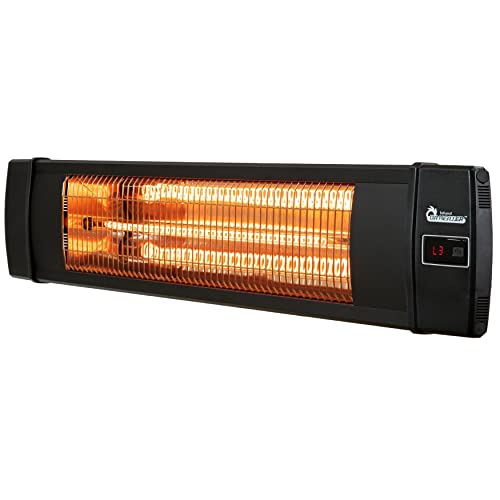
Brand: DR. INFRARED HEATER. The DR-238 is specified for both indoor and outdoor use with an IP55 rating, making it appropriate for a screened-in porch that’s partially protected from weather. It uses carbon infrared elements and offers three power settings (900W, 1200W, 1500W) for adjustable warmth.
The unit is plug-and-play on standard 120V circuits and includes a remote control for convenience. The infrared design produces clean, instant, and odorless heat, warming people and surfaces directly rather than heating air alone. Its portability allows wall-mounting or floor placement depending on porch layout.
Consider this heater if you want a balance of portability, multiple heat settings, and an outdoor-rated housing for protected outdoor areas like screened porches.
SereneLife Outdoor Electric Patio Heater

Call 888-896-7031 for Free Local HVAC Quotes – Compare and Save Today!
Brand: SereneLife. This 900W infrared heater uses carbon fiber heating elements and carries an IP65 rating, indicating higher water resistance suitable for damp, screened areas. The unit offers two heat levels and a remote for simple control.
Manufacturers state high efficiency (~88%) for targeted radiant warmth and quick startup—useful when you want immediate comfort on cool evenings. The aluminum alloy housing and reflector are designed for corrosion resistance, which helps in coastal or humid climates where a screened-in porch may be exposed to moisture.
This heater is a choice when you need a weather-resistant electric option that balances efficiency and modest power for confined screened porch spaces.
Dr Infrared Heater DR-338 With Tripod

Brand: DR. INFRARED HEATER. The DR-338 is an infrared patio heater with versatility in mounting—an adjustable aluminum tripod plus wall-mount hardware. It’s rated IP55 and offers three power settings (900W, 1200W, 1500W).
The tripod and tip-over protection add mobility and safety for variable porch layouts. A long 12.5-foot extension cord is included for flexible placement without complex wiring. Like other infrared models, it provides direct radiant heat, which is effective within the sheltered environment of a screened porch.
Call 888-896-7031 for Free Local HVAC Quotes – Compare and Save Today!
This unit suits users who may want to re-locate the heater around the porch or store it seasonally, while still having an outdoor-rated option for protected settings.
ThermoMate Infrared Outdoor Patio Heater
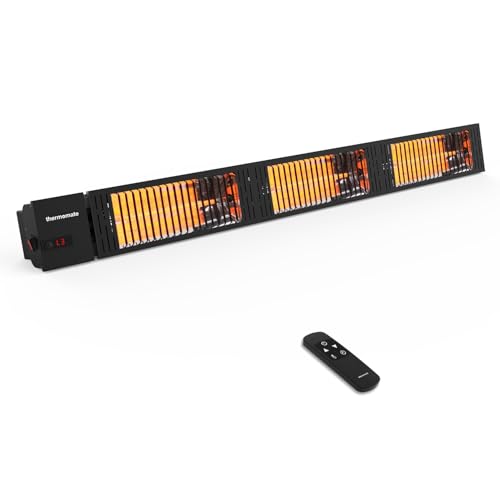
Brand: thermomate. This high-output infrared heater is a hardwired 240V solution delivering up to 4500W. It heats quickly (manufacturer claims ~3 seconds to feel warmth) and is sized to cover larger outdoor enclosures—useful for spacious screened porches.
The ThermoMate provides multiple power stages and a 24-hour timer via remote control for scheduled operation. Because it requires hardwiring to a dedicated circuit, it is best suited for permanent porch installations, ideally ceiling-mounted to distribute radiant heat downward across seating areas.
Choose this if your screened porch is large and you prefer a permanent, high-output, electric infrared system rather than portable plug-in heaters.
Heat Storm HS-1500-PHX-WIFI Wall Mounted Heater

Brand: Heat Storm. The HS-1500-PHX is a slim, wall-mounted infrared heater with Wi‑Fi control, a touch screen thermostat, and a 1500W power rating. Wall mounting preserves floor space and places heat at optimized height for circulation in a screened porch.
The unit includes safety features such as tip-over protection (for similar models) and digital thermostat control for targeted heating. Wi‑Fi connectivity supports remote scheduling and temperature adjustments, which can be helpful when monitoring a screened area from indoors.
Consider this heater when you prefer a low-profile installation with smart controls and a reliable electric infrared heating method for a protected porch area.
Buying Guide: Choosing The Right Heater For A Screened-In Porch
Selecting a heater for a screened-in porch depends on the porch’s size, mounting options, local codes, and your preference for portability versus permanence. Below are practical factors to weigh before purchasing.
Tips for Getting the Best HVAC Prices
- Prioritize Quality Over Cost
The most critical factor in any HVAC project is the quality of the installation. Don’t compromise on contractor expertise just to save money. - Check for Rebates
Always research current rebates and incentives — they can significantly reduce your overall cost. - Compare Multiple Quotes
Request at least three estimates before making your choice. You can click here to get three free quotes from local professionals. These quotes include available rebates and tax credits and automatically exclude unqualified contractors. - Negotiate Smartly
Once you've chosen a contractor, use the proven strategies from our guide — How Homeowners Can Negotiate with HVAC Dealers — to get the best possible final price.
Heater Types And Suitability
- Infrared Electric Heaters: Radiant heat that warms people and objects directly. Effective in sheltered porches where wind is limited. Options include plug-in and hardwired units.
- Electric Wall/Ceiling Heaters: Save floor space and distribute radiant heat from an elevated position. Best for fixed installations and often offer thermostatic or smart control.
- Free-standing Or Tripod Heaters: Portable and adjustable. Good for flexible seating arrangements but need tip-over protection and stable placement inside a screened porch.
- Propane Gas Heaters: High heat output and independent of electrical supply. Require ventilation and safe distance from combustible materials—often not ideal for enclosed or screened porches without good airflow and adherence to local codes.
Weather Resistance And Ratings
- IP Ratings: Look for IP55 or higher for units exposed to moisture or outdoor splashes. IP65 offers stronger water resistance and corrosion protection.
- Protected vs. Exposed Porches: A screened-in porch is partially protected; select outdoor-rated heaters if the area sees dampness or occasional rain blow-in.
Power, Coverage, And Mounting
- Wattage/BTU: Higher wattage or BTU is needed for larger porches. Small, enclosed porches can be comfortable with 900–1500W electric infrared units.
- Mounting Height: For ceiling units, follow manufacturer recommendations for optimal mounting height to ensure even heat distribution.
- Portable vs. Permanent: Portable models are convenient and require no electrical work. Hardwired systems provide higher output and a cleaner, permanent installation but involve electrician costs.
Control, Safety, And Convenience Features
- Remote / Smart Controls: Remote controls and Wi‑Fi thermostats allow easy adjustments from inside the home.
- Timers and Thermostats: Built-in timers and thermostats avoid overuse and improve energy efficiency.
- Safety Features: Tip-over protection, overheat shutoff, and stable mounting hardware are important, especially in family areas.
Energy Use And Efficiency
- Electric Infrared Efficiency: Infrared heaters often have high immediate efficiency because they heat occupants directly. Consider lower wattage units with good directional output for small porches.
- Operational Costs: Check wattage and expected run time rather than price alone. Use thermostats and timers to limit run time and reduce costs.
Installation And Local Codes
- Electrical Requirements: Hardwired units usually require a dedicated circuit and professional installation. Verify voltage compatibility before purchase.
- Ventilation And Clearances: Ensure manufacturers’ clearance requirements from walls, furniture, and screens are met to avoid fire hazards.
- Local Ordinances: Propane or gas appliances may be restricted in certain jurisdictions or require specific ventilation—confirm local rules.
Comparison Perspectives
- Small Screened Porches: Favor 900–1500W electric infrared models with IP55 or IP65 ratings for quick, efficient warmth.
- Large Or Covered Porches: Consider hardwired high‑wattage infrared systems (240V) or multiple mounted units for even coverage.
- Mobility Needs: Choose tripod or portable plug-in heaters if you need to move the heater seasonally or between spaces.
- Smart Home Integration: Look for Wi‑Fi or programmable thermostats for remote control and scheduling convenience.