
Choosing the right heater for a shop, garage, or workshop requires balancing fuel type, heat output, installation needs, and safety. Below is a concise comparison of five shop-ready heating solutions ranging from traditional wood stoves to hydronic exchangers and portable pellet heaters.
| Product | Type | Key Strength |
|---|---|---|
| Ashley Hearth Pedestal Wood Burning Stove | Wood Stove | High BTU, EPA Certified |
| ALORAIR HydroX H100A Hydronic Hanging Heater | Water-To-Air Hydronic Heater | Works With Outdoor Wood Furnaces |
| Atlas Authentic Wood Pellet Patio Heater | Pellet Patio Heater | Smokeless Flame, Portable |
| Dr Infrared Heater DR-238 Carbon Infrared Heater | Electric Infrared | Indoor/Outdoor IP55, Instant Heat |
| Mr. Heater Big Maxx MHU80NG | Natural Gas Unit Heater | High BTU Coverage For Large Shops |
Content Navigation
Ashley Hearth Pedestal Wood Burning Stove

The Ashley Hearth Pedestal Wood Burning Stove is designed for heating enclosed spaces up to about 1,200 sq. ft. It delivers up to 68,000 BTUs and accepts logs up to 18 inches long. The firebrick lining improves combustion efficiency and protects the stove for long-term use.
Key features include a large ash pan for easier cleanup and an EPA certification that indicates combustion and emissions performance. For shop use, consider clearances, floor protection, and a proper chimney or flue to meet local codes.
ALORAIR HydroX H100A Hydronic Hanging Heater

The ALORAIR HydroX H100A is a water-to-air heat exchanger intended for garages, workshops, or warehouses and is explicitly compatible with outdoor wood furnaces. It mounts overhead and circulates warm air when water reaches the preset temperature.
Call 888-896-7031 for Free Local HVAC Quotes – Compare and Save Today!
Built with galvanized steel housing and corrosion-resistant copper piping, the unit includes a reusable air filter and a control panel with remote operation. The smart auto-temperature control reduces manual intervention and improves energy efficiency.
For shops using a wood-fired boiler or outdoor wood furnace, this unit allows distribution of wood-generated heat without burning wood inside the workspace, improving indoor air quality and meeting certain ventilation requirements.
Atlas Authentic Wood Pellet Patio Heater

The Atlas Authentic Wood Pellet Patio Heater leverages smokeless flame technology for cleaner combustion than many open wood fires. It is portable with built-in wheels and designed for quick assembly, making it suitable for mobile or temporary shop heating where venting is limited.
This pellet-style unit can provide targeted heat to outdoor work areas or semi-enclosed shops. Its low-smoke operation reduces particulate concerns compared with raw log burning, but it still requires appropriate placement and fuel storage management.
Dr Infrared DR-238 Carbon Infrared Outdoor Heater
Call 888-896-7031 for Free Local HVAC Quotes – Compare and Save Today!
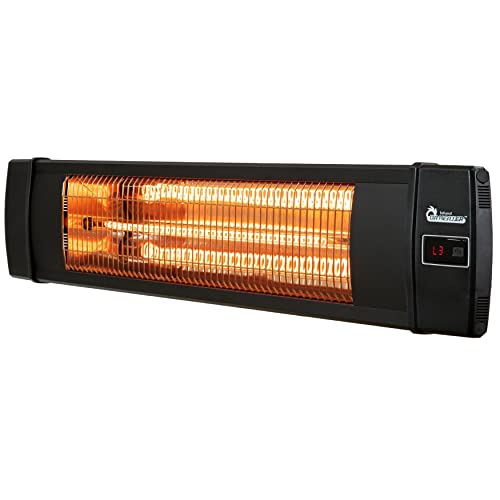
The DR-238 Carbon Infrared Heater provides clean, instant infrared heat and is rated IP55 for indoor and outdoor use. It operates at standard 120V with three power settings (900W, 1200W, 1500W) and is a plug-and-go option for shops that need immediate task-zone warmth.
Infrared heating warms objects and people directly rather than heating the entire volume of air, which can be advantageous in poorly insulated or intermittently used workspaces. The unit’s remote control and multiple settings allow flexibility for short-term tasks.
Mr. Heater Big Maxx MHU80NG Natural Gas Heater
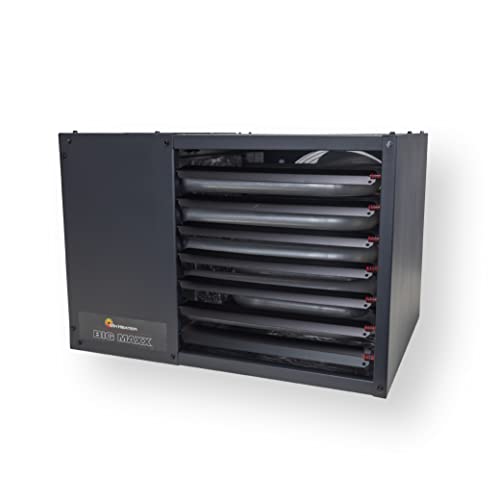
The Mr. Heater Big Maxx MHU80NG is a high-capacity natural gas unit delivering 80,000 BTU and designed for coverage up to approximately 2,000 sq. ft. It is intended as a permanent or semi-permanent shop heater and must be installed with appropriate venting and clearances.
The product includes mounting brackets and a propane conversion kit (thermostat, hose, and regulator are not included). It supports category 1 vertical and category 3 horizontal venting, and requires a minimum 8 ft. clearance from floor to base of the unit, so plan placement accordingly.
Buying Guide: Choosing The Right Shop Wood Heater
Selecting a shop heater involves comparing fuel type, capacity, installation complexity, emissions, safety, and operating costs. Below are primary considerations and comparison perspectives to guide selection.
Tips for Getting the Best HVAC Prices
- Prioritize Quality Over Cost
The most critical factor in any HVAC project is the quality of the installation. Don’t compromise on contractor expertise just to save money. - Check for Rebates
Always research current rebates and incentives — they can significantly reduce your overall cost. - Compare Multiple Quotes
Request at least three estimates before making your choice. You can click here to get three free quotes from local professionals. These quotes include available rebates and tax credits and automatically exclude unqualified contractors. - Negotiate Smartly
Once you've chosen a contractor, use the proven strategies from our guide — How Homeowners Can Negotiate with HVAC Dealers — to get the best possible final price.
Fuel Type And Shop Use Case
- Wood Stove (Log-Fired): Best where wood is plentiful and a permanent combustion appliance is acceptable. Requires chimney, clearance, and ash handling. Offers high BTU output and independence from grid fuel sources.
- Hydronic Heater Connected To Outdoor Wood Furnace: Ideal when you have an outdoor wood boiler. Provides warm air distribution to the shop without indoor combustion, improving indoor air quality and reducing exhaust management indoors.
- Pellet Heaters: Easier to operate and cleaner-burning than logs; require pellet storage and periodic auger/electrical power. Good for portable or semi-enclosed areas.
- Gas Or Electric Units: Provide controlled, steady heat with simpler installation (electric) or gas hookup (requires fuel line and venting). Useful where combustion inside the shop is not desired or practical.
Heat Output, Coverage, And Sizing
- Match BTU output to shop volume and insulation. For poorly insulated spaces, choose higher capacity or localized infrared heating rather than relying solely on air heating.
- Wood stoves and hydronic exchangers list coverage in sq. ft.; use these figures as estimates and factor in ceiling height, insulation, and air leakage.
- Infrared and localized heaters may be more efficient for spot-heating benches or work bays within larger volumes.
Installation And Venting Requirements
- Wood Stoves: Require proper chimney/flue, hearth protection, and specified clearances. Local codes and insurance may have additional requirements.
- Hydronic Units: Need integration with an outdoor wood furnace or boiler, plumbing connections, and mounting support for hanging units.
- Gas Heaters: Require fuel supply, venting options, and clearances. Verify venting category compatibility and professional installation.
- Electric/Infrared: Simpler to install but ensure dedicated circuits and correct voltage. Hardwired high-wattage units may need professional electrical work.
Emissions, Indoor Air Quality, And Safety
- Wood-burning appliances produce particulates and combustion gases. Opt for EPA-certified stoves or smokeless pellet options if indoor air quality is a concern.
- Hydronic systems powered by outdoor wood furnaces keep combustion outside, reducing indoor emissions while still using wood fuel.
- All heaters need carbon monoxide detectors, proper ventilation, and adherence to clearance and combustible material rules.
Operational Convenience And Maintenance
- Consider ash removal frequency, chimney sweeping, and access to fuel when selecting a wood stove.
- Pellet systems typically need hopper refills and occasional auger cleaning.
- Hydronic heat exchangers require water-side maintenance including filters and corrosion checks.
- Electric and gas units are lower maintenance but still need periodic inspection for thermostats, wiring, and vent integrity.
Cost Perspectives And Energy Efficiency
- Evaluate not only purchase cost but ongoing fuel costs, local fuel availability, and installation expenses (chimney, plumbing, electrical work).
- Hydronic distribution can be efficient if you already have an outdoor wood furnace; initial integration costs may be offset over time by cheaper fuel.
- Infrared heaters can reduce energy usage for intermittent spot heating compared with heating an entire shop volume.
Safety Features And Certifications
- Look for ETL/UL listings on electric heaters, and EPA certification on wood stoves for verified emissions performance.
- Overheat protection, thermostats, timers, and remote controls increase safe operation and convenience.
- Always install CO and smoke detectors in working shops, especially when using combustion appliances.
Comparison Tips
- For maximum independence from utilities and high heat output, a well-installed wood stove is effective if you can meet venting and clearance requirements.
- If indoor combustion or venting is restricted, pursue a hydronic exchanger tied to an outdoor wood furnace to keep combustion outside.
- For portable or temporary heating needs with lower emissions, smokeless pellet heaters offer a compromise.
- When fast, zone-specific heat is needed for short tasks, electric infrared or plug-and-play heaters are practical and low-maintenance.