
Cold-weather boating on a ski boat requires both a warm cabin and protection for the engine compartment and bilge. Below is a quick comparison of five practical heater options that suit ski boats, from compact bilge heaters to higher-output diesel air heaters. Each option includes key features and use cases to help match equipment to your boat and boating season goals.
| Product | Type | Key Feature |
|---|---|---|
| Therelmax 650W Bilge Heater | Engine Compartment Heater | Adjustable Thermostat, 650W PTC |
| Xtreme Heaters 400W Marine Heater | Bilge/Compartment Heater | Self-Regulating PTC, 58 CFM Fan |
| Caframo SEEKR 400W | Certified Bilge Heater | Ignition-Proof, Dual Fans |
| Haoguo 400W Bilge Heater | Engine Compartment Heater | Self-Regulating PTC, 40 CFM Fan |
| VEVOR 5KW Diesel Air Heater | Diesel Air Heater (Cabin) | High Output, Remote Control |
Content Navigation
- Therelmax 650W Bilge Heater
- Xtreme Heaters 400W Marine Heater
- Caframo SEEKR 400W Heater
- Haoguo 400W Bilge Heater
- VEVOR 5KW Diesel Air Heater
- Buying Guide: Choosing The Right Ski Boat Heater
- Heater Purpose And Location
- Power Output And Coverage
- Thermostat And Control Options
- Safety And Certifications
- PTC Elements Vs Combustion Heaters
- Fan Capacity And Air Circulation
- Installation And Mounting
- Durability And Marine-Grade Construction
- Energy Source And Consumption
- Noise And Operational Impact
- Maintenance And Serviceability
- Comparison Perspectives
- Checklist Before Purchase
Therelmax 650W Bilge Heater
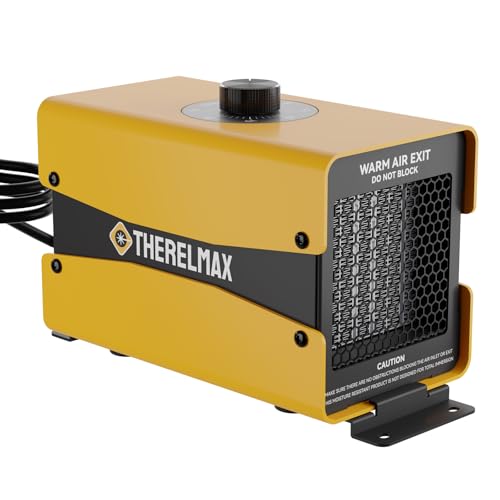
This unit Is Designed To Keep Engine Compartments Warm And Reduce Freeze Risk. Key Features Include A 650W Safe PTC Ceramic Element, A Built-In Adjustable Thermostat (41°F–86°F), And Fast 3-Second Heat Response For Rapid Warmup.
Practical Uses: Ideal For Ski Boats Stored Outdoors Or Used In Colder Climates Where Engine Components, Bilge Pumps, And Plumbing Need Protection From Freezing.
Installation and Controls: The adjustable thermostat returns control to the owner, allowing settings recommended around 46°F for engine compartments. The unit is described as multi-use for bilges, RV bays, and more, which can be beneficial for boats used seasonally.
Safety And Durability: The PTC element reduces overheating risk and the rapid heating reduces the time components stay near freezing. Suitable for owners who want direct temperature control in confined engine spaces.
Call 888-896-7031 for Free Local HVAC Quotes – Compare and Save Today!
Xtreme Heaters 400W Marine Heater

This Model Is Marketed For Engine Compartments, Underbelly RV Use, And Bilges. It Uses A Self-Regulating PTC Element That Turns On Around 40°F And Off Around 55°F, Providing Consistent Protection Against Freezing.
Features Include An Anodized Case, Sealed Electronics Module, And A 58 CFM Waterproof Fan Intended For Long-Term Marine Use. The Package Describes Mounting Flexibility Including Upside-Down Installation.
Practical Uses: Well-Suited For Ski Boats That Need Reliable Freeze Protection During Storage Or Short Cold-weather Outings. The automatic on/off range reduces monitoring for boat owners who prefer a set-and-forget option.
Reliability Notes: The fan capacity and sealed electronics aim to deliver long service life. This product is positioned for owners who want marine-rated build quality combined with an automatic thermal range.
Caframo SEEKR 400W Heater

Call 888-896-7031 for Free Local HVAC Quotes – Compare and Save Today!
The Caframo SEEKR Is A Marine-Certified Bilge Heater Designed To Meet Ignition-Protection Standards (USCG, UL-1500). It Uses A Self-Regulated PTC Element And Includes Dual Fans For Redundancy.
Safety & Certification: Because It Meets Ignition Protection Guidelines, The SEEKR Is Specifically Intended For Bilge Compartments Where Fuel Vapors May Be Present. Dual fans provide redundancy to reduce single-fan failure risk.
Practical Uses: Recommended For Ski Boat Owners Prioritizing Compliance With Marine Safety Standards And Who Need Reliable, certified equipment for engine bay freeze protection.
Design Notes: The focus on safety certifications makes this a core option when selecting a heater for enclosed engine spaces where ignition-proof equipment is required or preferred.
Haoguo 400W Bilge Heater

This Compact Heater Targets Engine Compartments Up To ~350 Cubic Feet, Using A Self-Regulating PTC Element And A 40 CFM Waterproof Fan To Circulate Warm Air.
Operational Behavior: The Unit Automatically Switches On At Around 40°F And Off At 50°F, Maintaining Temperatures Within A Narrow Band To Protect Pumps, Batteries, And Plumbing From Freezing.
Practical Uses: A Good Fit For Smaller Ski Boats Or Compartments Where Moderate, Continuous Heat And Quiet Operation Are Desired. The design emphasizes even air circulation through the fan.
Installation Considerations: The product is described as easy to install and practical for closed compartments. Consider compartment volume and mounting location to ensure optimal circulation.
VEVOR 5KW Diesel Air Heater

This All-in-One Diesel Heater Is Designed For Rapid Cabin Heating And Engine Preheat. It Offers 5KW Output, An Integrated Fuel Tank, Remote Control With LCD, And Adjustable Temperature From 46°F–96.8°F.
Performance And Use Cases: The VEVOR Unit Produces High Heat Output Suitable For Larger Cabins Or Rapid Preheating Before Boarding. It Also Can Serve To Preheat Engines Or Prevent Window Fogging.
Fuel And Installation: The Heater Uses Diesel With A 5L Tank For Portability Or Semi-permanent Installations. It Is Marketed As Low Fuel Consumption And Offers Intelligent Controls For Remote Preheating.
Considerations For Ski Boats: This option Provides Cabin Comfort Beyond Simple bilge protection, But Installation, Exhaust Routing, And Fuel Safety Should Be Addressed According To Marine Best Practices.
Buying Guide: Choosing The Right Ski Boat Heater
Heater Purpose And Location
Identify Primary Goals: Engine/Bilge Protection vs Cabin Comfort. Bilge/engine heaters (PTC, 400–650W) are optimized to protect pumps, batteries, and plumbing from freezing. Diesel air heaters or forced-air cabin units provide rapid cabin warmth and can preheat an engine.
Power Output And Coverage
Match Wattage To Volume: Smaller engine compartments often require 400W units; larger or poorly insulated spaces may benefit from 650W or higher cabin heaters. Consider compartment cubic feet and target temperature when choosing wattage.
Thermostat And Control Options
Automatic thermostats offer set-and-forget protection; adjustable thermostats give precise control. For cabin comfort, look for thermostatic control with remote or programmable features to preheat before boarding.
Safety And Certifications
For bilge/engine compartments, ignition protection and marine certifications (USCG, UL-1500) matter when heaters are installed near potential fuel vapors. Dual-fan redundancy and sealed electronics add reliability in wet marine environments.
PTC Elements Vs Combustion Heaters
PTC Electric Heaters: Self-regulating, lower installation complexity, and typically safer for enclosed spaces. They rely on shore or onboard 120V/240V or inverter power. Combustion/Diesel Heaters: Higher heat output, fuel-dependent, need exhaust routing and ventilation—better for larger cabins or extended off-grid use.
Fan Capacity And Air Circulation
CFM Ratings Matter For Heat Distribution. Higher CFM (e.g., 58 CFM) moves air faster for more uniform compartment warming. For small bilges, moderate CFM with focused placement can be sufficient.
Installation And Mounting
Check Mounting Flexibility: Some heaters mount in any orientation including upside down. Ensure the heater’s electrical and mechanical mounting suits the compartment layout, and that wiring is marine-grade where required.
Durability And Marine-Grade Construction
Look For Waterproof Fans, Anodized Cases, Sealed Electronics, And Corrosion-Resistant Materials. Exposure To Moisture, Salt Spray, And Vibration Means marine-grade design extends service life.
Energy Source And Consumption
Consider Availability Of Shore Power, Generator, Or Battery/Inverter Capacity. Diesel units consume fuel but can be more efficient for prolonged heating, while electric PTC heaters rely on electrical supply and may require inverter sizing checks.
Noise And Operational Impact
Fan Noise And Pump Operation Can Affect Comfort. Compare CFM and fan specs for quieter operation if low noise matters for passengers waiting in the cabin between ski runs.
Maintenance And Serviceability
Choose Units With Accessible Fans, Replaceable Components, And Clear Installation Guides. For combustion heaters, check exhaust and fuel line access for routine inspection.
Tips for Getting the Best HVAC Prices
- Prioritize Quality Over Cost
The most critical factor in any HVAC project is the quality of the installation. Don’t compromise on contractor expertise just to save money. - Check for Rebates
Always research current rebates and incentives — they can significantly reduce your overall cost. - Compare Multiple Quotes
Request at least three estimates before making your choice. You can click here to get three free quotes from local professionals. These quotes include available rebates and tax credits and automatically exclude unqualified contractors. - Negotiate Smartly
Once you've chosen a contractor, use the proven strategies from our guide — How Homeowners Can Negotiate with HVAC Dealers — to get the best possible final price.
Comparison Perspectives
- Safety-Focused: Choose certified ignition-proof heaters (e.g., Caframo SEEKR) for bilge compartments where vapors may occur.
- Power-Focused: For cabin heating or engine preheat in cold climates, higher-output diesel options provide rapid warmup (e.g., VEVOR 5KW).
- Reliability-Focused: Units with sealed electronics, redundancy (dual fans), and solid-case construction tend to last longer in marine environments.
- Convenience-Focused: Adjustable thermostats and remote controls add convenience for preheating before arrival at the boat.
Checklist Before Purchase
- Define primary use: bilge protection vs cabin heating.
- Measure compartment volume to match wattage/CFM needs.
- Confirm power source availability and wiring requirements.
- Check marine certifications for ignition protection if needed.
- Plan mounting location, exhaust routing (combustion units), and ventilation.
- Review manufacturer guidance on recommended temperature setpoints for engine protection.