
Looking For A Small Baseboard Heater To Warm A Bedroom, Office, Or Small Living Space? Below Are Five Compact, Reliable Options And One Smart Control That Work Well With Electric Baseboards. The Selection Includes Hard-Wired Wall Units And Plug-In Convection Models With Safety Features.
| Product | Size / Wattage | Key Feature |
|---|---|---|
| Cadet F Series 24″ (2F350W) | 24″ / 350W | Steel Construction, Low Wattage For Small Spaces |
| Cadet F Series 36″ (3F750-1W) | 36″ / 750W | Requires Thermostat, Durable Powder-Coated Steel |
| KING K Series 4′ (4K1210BW) | 48″ / 1000W | Aluminum Ribbon Fin Element, Hard-Wire Installation |
| Comfort Zone Baseboard (CZ600) | 1500W (Medium Rooms) | Adjustable Thermostat, Overheat Protection |
| Mysa Smart Thermostat LITE | Controls 120–240V Heaters | Wi‑Fi Programmable, App Control, Energy Savings |
Content Navigation
Cadet F Series 24 Inch Electric Baseboard Heater
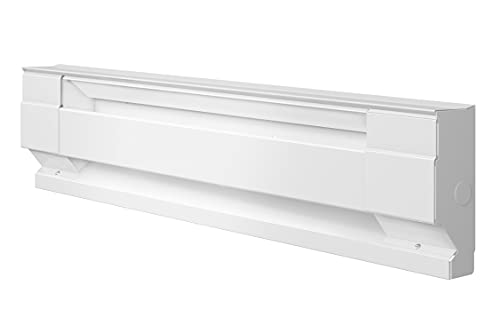
This Cadet 24″ model Is A Compact, Low‑Wattage Baseboard Heater Designed For Small Rooms, Hallways, Or Supplementary Heating. It Uses Steel Construction And A White Finish That Blends With Baseboard Trim.
Features Listed: Color: White; Material: Steel; Power Source Type: Electric. The unit’s lower wattage (350W at typical voltages) Makes It Suitable For Spaces Where Minimal Heat Is Required Or Where Circuit Capacity Is Limited.
Installation And Use Notes: This Is A Hard‑wired Unit Intended To Be Mounted On The Wall Along The Baseboard Line. Because It Is Low Wattage, It Pairs Well With A Dedicated line‑voltage thermostat Or For Use In Rooms Where Gentle, Continuous Heat Is Preferred.
Cadet F Series 36 Inch Electric Baseboard Heater
Call 888-896-7031 for Free Local HVAC Quotes – Compare and Save Today!
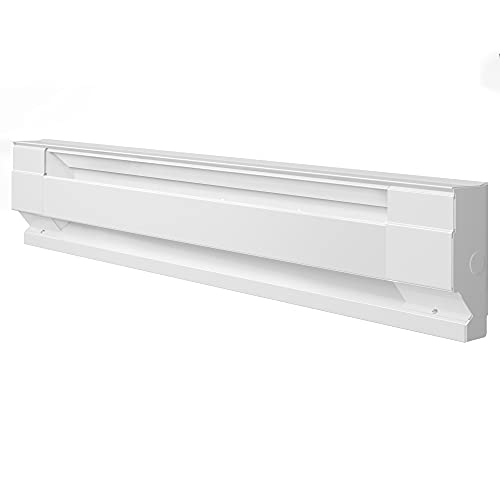
The Cadet 36″ F Series Extends Output While Remaining A Compact Profile For Narrow Rooms Or Long Wall Runs. It Is Designed As A Durable, All‑Metal Unit With A Powder‑Coated Finish And Requires A Thermostat For Temperature Control.
Features Listed: Requires A Thermostat, 25 Gauge Steel, 20 Gauge Junction Box With Ground, All Metal, And Powder Coated. The Unit Delivers Approximately 750 Watts At 120V, Making It A Good Step Up From Very Low‑wattage Models For Better Room Coverage.
Installation And Compatibility: This Heater Is Hard‑Wired And Built For Permanent Installation. Because It Requires A Separate thermostat, Consider Adding A line‑voltage thermostat Or A Smart Line‑Voltage Controller For Programmable Scheduling And Energy Management.
KING K Series 4′ Baseboard Heater

The KING K Series 4′ Baseboard Heater Is A Common Choice For Longer Runs Where A Compact But Higher Output Unit Is Needed. The 4′ Length Provides More Surface Area For Heat Transfer While Remaining Low Profile.
Features Listed: Not A Plug‑In Model, Heater Safely Hard‑Wires For 1000W At 120V, Aluminum Ribbon Fin Element, Full Length Safety Cutout. The Aluminum ribbon fin design Improves Heat Distribution Compared To Basic Nichrome Elements.
Call 888-896-7031 for Free Local HVAC Quotes – Compare and Save Today!
Installation And Use Notes: This Product Requires Hard‑Wiring; It Is Intended For Homes With Proper Circuit Capacity. The full length safety cutout Provides an internal protection mechanism against overheating or element issues.
Comfort Zone Electric Baseboard Space Heater CZ600

The Comfort Zone CZ600 Is A Freestanding/Baseboard Convection Heater Designed For Medium‑Sized Rooms, Featuring Two Heat Settings And An Adjustable Thermostat. It Targets Users Who Want A Simple, Plug‑in Or Wall‑mounted Alternative To Hard‑Wired Units.
Features Listed: Efficient And Versatile Heating—1500 Watt Convection; Safety At Its Best—Tip‑over Switch, Overheat Protection, Stay‑Cool Body; Whisper‑Quiet Operation. The Inclusion Of Safety Switches Makes It Suitable For Households Looking For Portable Yet Secure Heat Sources.
Usage Notes: The CZ600 Is Useful Where Temporary Or Supplemental Heat Is Required. Its higher wattage Delivers Rapid Warmth For A Small To Medium Room But May Need A Dedicated Outlet Or Circuit Depending On Home Wiring.
Mysa Smart Thermostat LITE For Electric Baseboards

The Mysa Smart Thermostat LITE Is A Line‑Voltage Controller Designed Specifically For 120–240V Electric Baseboard Heaters. It Converts Traditional Baseboards Into A Wi‑Fi‑Enabled, Programmable System For Better Temperature Control And Energy Management.
Features Listed: Compatibility Warning—Works Only With High/Line Voltage Electric Heating Systems; Requires At Least Four Wires Including Neutral Or Second Live; Remote Control With Free App; Save Up To 26% On Energy Costs With Scheduling.
Integration Notes: For Small Baseboard Heaters That Require A Separate Thermostat—such as The Cadet F Series—Mysa LITE Enables remote scheduling, voice control (HomeKit/Alexa/Google), And Adaptive Features To Reduce Runtime. Confirm Wiring Compatibility Before Purchase.
Buying Guide: How To Choose A Small Baseboard Heater
Room Size And Wattage
Select Heater Output Based On Room Square Footage. A General Rule: 10–20 Watts Per Square Foot For Adequate Heat. Small Bedrooms Or Bathrooms Often Need 300–800 Watts, While Larger Small Rooms May Require 1,000+ Watts.
Length And Placement
Shorter Units (24–36″) Fit Tight Walls And Compact Rooms; Longer Units (4′) Offer Greater Surface Area And Smoother Heat Distribution. Place Units Under Windows Or Along Exterior Walls For Better Thermal Performance.
Hard‑Wired Vs Plug‑In
Hard‑Wired Baseboards Provide Cleaner Installation And Higher Power Options But Require Electrical Work. Plug‑In Or Portable Baseboard‑style Heaters Provide Mobility And Easier Setup But May Be Limited By Outlet And Circuit Capacity.
Thermostat And Control Options
Some Baseboards Require A Separate line‑voltage thermostat. Choosing A Smart Line‑Voltage Controller Like Mysa Enables Scheduling, Remote Control, And Energy Savings. Verify The Heater And Thermostat Wiring Compatibility (Number Of Wires, Voltage, And Load Ratings).
Safety Features
Look For Overheat Protection, Tip‑Over Switches, Full‑Length Safety Cutouts, And Stay‑Cool Housing. These Features Reduce Fire Risk And Make Units Safer Around Kids Or Pets.
Material And Durability
Steel Cabinets And Powder‑Coated Finishes Resist Dents And Corrosion. Aluminum Ribbon Fins Improve Heat Transfer Efficiency And Often Provide Smoother Convection Compared To Basic Elements.
Noise And Operation
Convection Baseboards Are Typically Quiet. Portable Models With Fans May Produce Noise. If Noise Level Is A Concern For Bedrooms Or Offices, Choose Units Marketed As Whisper‑Quiet Or Fanless Convection Designs.
Installation Considerations
Confirm Wall Cutouts, Junction Box Size, And Circuit Capacity Before Purchase. Hard‑wired Units Should Be Installed By Qualified Personnel If Local Codes Require It. For Smart Thermostats, Verify That The Unit Supports The Heater’s Voltage And Requires The Correct Number Of Wires.
Energy Efficiency And Operating Cost
Baseboard Heaters Convert Nearly All Electricity Into Heat, But Controlled Operation Is Key To Savings. Programmable Thermostats And Zoning Reduce Runtime. Consider adaptive scheduling Or Smart Controls To Lower Electricity Spend Over Time.
Comparison Perspectives
- Small Footprint vs Output: 24″ 350W Models Offer Low Energy Use For Tiny Spaces; 36″ 750W Or 4′ 1000W Units Provide Broader Coverage.
- Durability vs Cost: All‑metal, powder‑coated Units Tend To Last Longer In High‑Use Areas.
- Control vs Complexity: Smart thermostats Add Convenience And Savings But Require Compatible Wiring And Setup.
- Portable vs Permanent: Portable Convection Units Are Flexible; Hard‑wired Baseboards Deliver Permanent, Integrated Heating.
Use This Guide To Match The Heater Size, Installation Type, And Features To Your Room Size, Wiring, And Safety Preferences. Double‑Check Compatibility When Adding Smart Controls Or Replacing An Existing Unit.
Tips for Getting the Best HVAC Prices
- Prioritize Quality Over Cost
The most critical factor in any HVAC project is the quality of the installation. Don’t compromise on contractor expertise just to save money. - Check for Rebates
Always research current rebates and incentives — they can significantly reduce your overall cost. - Compare Multiple Quotes
Request at least three estimates before making your choice. You can click here to get three free quotes from local professionals. These quotes include available rebates and tax credits and automatically exclude unqualified contractors. - Negotiate Smartly
Once you've chosen a contractor, use the proven strategies from our guide — How Homeowners Can Negotiate with HVAC Dealers — to get the best possible final price.