
Finding the right heater for a small garage requires balancing heat output, safety, portability, and energy use. Below is a concise comparison table of the five selected small garage heaters covered in this guide to help you choose quickly.
| Product | Type | Power/Mode | Key Benefit |
|---|---|---|---|
| Dreo Space Heater | Portable Ceramic | 1500W, 5 Modes | Quiet, safety features for indoor use |
| NewAir NGH160GA00 | Portable Garage Heater | 120V, 2 Heat Modes | Designed for garage use, tilting head |
| Dura Heat EUH1465 | Forced Air Electric | 1500W (PTC) | Durable steel body, pivoting base |
| Dr Infrared DR-238 | Infrared Ceramic/Outdoor Rated | 900/1200/1500W | IP55 indoor/outdoor, infrared warmth |
| Buyplus Greenhouse Heater | Digital Thermostat Heater | 1500W, thermostat probe | Fast heat, digital control for small spaces |
Content Navigation
- Dreo Space Heater, 1500W Portable Ceramic
- NewAir NGH160GA00 Portable Garage Heater
- Dura Heat EUH1465 Forced Air Heater
- Dr Infrared DR-238 Carbon Infrared Heater
- Buyplus Greenhouse Heater With Thermostat
- Buying Guide For Small Garage Heaters
- 1. Heat Type And Effectiveness
- 2. Power, Coverage, And Insulation
- 3. Safety Features
- 4. Portability And Mounting
- 5. Controls, Thermostats, And Timers
- 6. Noise And Workspace Impact
- 7. Durability And Environment
- 8. Energy Use And Operating Cost
- 9. Placement And Airflow Considerations
- 10. Comparison Perspectives
Dreo Space Heater, 1500W Portable Ceramic

The Dreo Space Heater Is A 1500W PTC Ceramic unit designed for indoor rooms up to ~200 sq. ft. It features fast heat-up and a quiet fan that the maker rates at 34 dB, suitable for workbench noise-sensitive garages or home-adjacent workshops.
- Safety: ETL-certified, V0 flame-retardant housing, tip-over and overheat protection, 12-hour timer.
- Controls & Modes: Five modes, programmable timer, remote control for hands-free adjustments.
- Portability: Compact footprint for placement on a shelf, bench, or floor; 6 ft flat cord recommended to plug directly into wall.
- Use Case: Best for small, insulated garages or attached workshops where noise and safety are priorities.
This model prioritizes safety and quiet operation, making it a fit for garages used as hobby spaces or adjacent to living areas. Avoid using with extension cords per manufacturer guidance.
NewAir NGH160GA00 Portable Garage Heater

The NewAir NGH160GA00 Is Marketed Specifically For Garages And Small Workspaces, Rated To Heat Up To About 160 Square Feet. It Uses A Ceramic Plate With A 200 CFM Fan To Move Warm Air Quickly.
Call 888-896-7031 for Free Local HVAC Quotes – Compare and Save Today!
- Safety Features: Cool-to-touch housing, internal thermostat, and automatic shut-off to reduce overheating risk.
- Mobility & Direction: Tilting head and carry handle enable targeted heating of workbenches, tool areas, or vehicle bays.
- Controls: Adjustable temperature control and two heat modes for simple operation.
- Use Case: Practical for uninsulated small garages where focused airflow and portability are essential.
The NewAir unit balances robust airflow with safety features tailored to garage environments, making it a practical option where directed warm air is required near workstations.
Dura Heat EUH1465 Forced Air Heater
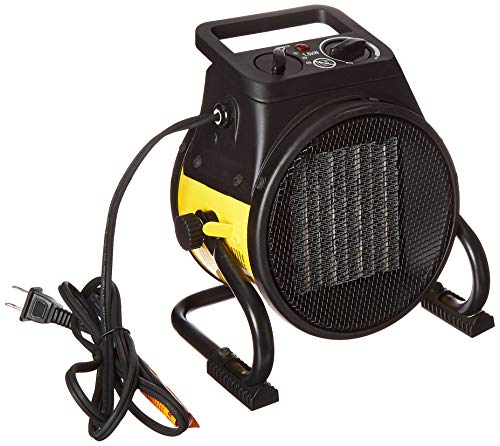
The Dura Heat EUH1465 Is A 1500W PTC Forced Air Heater Built With Rugged Steel For Garage And Workshop Settings. It Offers A Pivoting Base For Directional Heat And A Compact, Durable Design.
- Construction: Heavy steel body suitable for workshop conditions where equipment may be exposed to impacts or dust.
- Functionality: Heat and fan-only settings provide seasonal versatility as a heater or air circulator.
- Portability: Compact and durable for placement on floors, benches, or shelving; pivoting base helps aim heat.
- Use Case: Suited to small garages or service bays that need a sturdy, no-frills heating solution.
This model emphasizes durability and straightforward forced-air warmth, useful in small garages used for mechanical work or general projects where robustness is a priority.
Dr Infrared DR-238 Carbon Infrared Heater
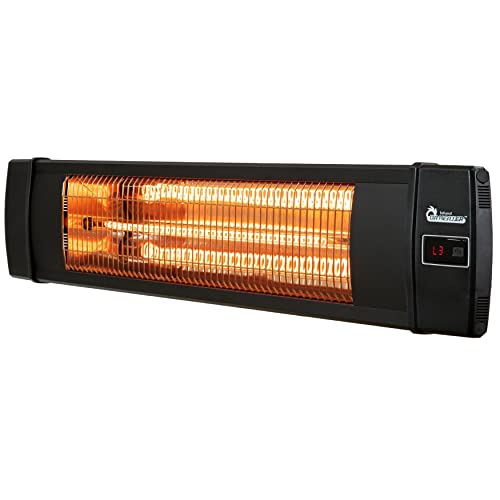
The Dr Infrared DR-238 Is An Infrared Carbon Heater Rated IP55 For Indoor And Outdoor Use, Offering Three Power Settings (900W / 1200W / 1500W) And Remote Control. Infrared Heating Warms Objects Directly Rather Than Only Air.
Call 888-896-7031 for Free Local HVAC Quotes – Compare and Save Today!
- Outdoor Rating: IP55 approval means it tolerates moisture and dust better than typical indoor-only units.
- Heating Style: Infrared warmth provides rapid, comfortable heat for people and parked vehicles in small to medium enclosed garages or covered patios.
- Controls: Multiple power settings and remote operation allow flexible responses to changing conditions.
- Use Case: Best where direct radiant heat is preferred and where occasional exposure to dust or moisture is likely.
For small garages converted into semi-outdoor workspaces or for mixed indoor/outdoor use, the DR-238 provides flexible radiant heating with a weather-tolerant design.
Buyplus Greenhouse Heater With Thermostat

The Buyplus Unit Is A 1500W Heater With A Digital Thermostat And Probe Designed For Greenhouses But Versatile For Garages, Grow Rooms, And Small Workshops. It Emphasizes Rapid Heating And Precise Temperature Control.
- Thermostat Probe: Waterproof probe measures ambient temperature for accurate regulation of the heater.
- Safety: Overheat protection with self-resetting breaker provides automatic shutdown on thermal events.
- Performance: Claims fast 3-second heat-up and coverage up to ~215 sq. ft., suitable for enclosed small garages.
- Use Case: Ideal where precise temperature control is needed, such as for plant rooms, climate-sensitive projects, or insulated garages.
This heater brings thermostatic control and fast response to small garage environments where maintaining a specific temperature is important.
Buying Guide For Small Garage Heaters
Choosing the right heater for a small garage depends on several interacting factors. Below are the key considerations, comparison perspectives, and practical tips to match a heater to your space and needs.
1. Heat Type And Effectiveness
- Forced-Air (Ceramic/PTC): Heats air quickly and distributes warmth with a fan. Good for warming entire small garages and work areas.
- Infrared/Radiant: Heats objects and people directly, offering immediate perceived warmth even if ambient air remains cooler. Useful for short tasks near the heater or semi-outdoor garages.
- Conduction/Panel (Wall/Hardwired): Provides steady, lower-noise heat for long-term comfort; suitable for attached or insulated garages.
2. Power, Coverage, And Insulation
Match heater power to your garage size and insulation level. A 1500W electric heater can adequately warm small, insulated garages. Larger or uninsulated garages may require higher wattage or supplemental insulation to maintain comfort.
3. Safety Features
- Tip-Over Protection: Essential for portable units used near workbenches, vehicles, or flammable materials.
- Overheat Shutoff: Prevents thermal runaway in dusty or obstructed environments.
- Cool-To-Touch Housing: Reduces burn risk in high-traffic workspaces.
- Water/Dust Ratings: IP-rated or outdoor-rated units (e.g., IP55) are better for damp garages or partial outdoor exposure.
4. Portability And Mounting
Consider whether you need a portable heater to move between tasks or a permanent mounted solution to preserve floor space. Portable units offer flexibility; ceiling or wall-mounted heaters free up workspace and can heat larger footprints more evenly.
5. Controls, Thermostats, And Timers
Thermostatic control and timers improve energy efficiency and create consistent temperatures. Digital thermostats and external probes provide more accurate readings than basic thermostat dials. Remote control and smart features are convenient for garages attached to the home.
6. Noise And Workspace Impact
Forced-air heaters with powerful fans move air effectively but produce noise. If noise affects concentration or is disruptive to adjacent living spaces, choose a lower-noise ceramic model or an infrared unit that operates quietly.
7. Durability And Environment
Shop for robust steel housings if your garage sees heavy use, dust, or potential impact. For garages that are partially open or exposed to moisture, pick a weather-tolerant or outdoor-rated model.
8. Energy Use And Operating Cost
Electric heaters are rated by wattage; a higher wattage provides more heat but uses more power. Thermostats, timers, ECO modes, and zoning strategies (insulation, closing doors) help minimize runtime and reduce energy usage.
9. Placement And Airflow Considerations
- Place portable units on stable, elevated surfaces away from clutter and flammable materials.
- Point forced-air units toward the area where you spend the most time (workbench, car bay).
- For radiant heaters, locate them where people stand most often for direct warmth.
10. Comparison Perspectives
- Noise-Sensitive Garages: Consider low-noise ceramic models like the Dreo unit.
- Durability-Focused Users: Choose rugged steel forced-air heaters such as Dura Heat for workshop environments.
- Mixed Indoor/Outdoor Use: Infrared models with weather ratings, like Dr Infrared, perform well.
- Precision Temperature Needs: Thermostat-probe heaters like Buyplus provide tighter control for climate-sensitive tasks.
- Portability And Directed Heat: NewAir’s tilting head and handle make it practical for moving directed warmth where needed.
When comparing models, weigh your garage’s insulation, the intended use (workbench vs. general comfort), safety needs, and whether you prefer portability or a mounted solution. Prioritize safety certifications and manufacturer recommendations for installation and use.
Tips for Getting the Best HVAC Prices
- Prioritize Quality Over Cost
The most critical factor in any HVAC project is the quality of the installation. Don’t compromise on contractor expertise just to save money. - Check for Rebates
Always research current rebates and incentives — they can significantly reduce your overall cost. - Compare Multiple Quotes
Request at least three estimates before making your choice. You can click here to get three free quotes from local professionals. These quotes include available rebates and tax credits and automatically exclude unqualified contractors. - Negotiate Smartly
Once you've chosen a contractor, use the proven strategies from our guide — How Homeowners Can Negotiate with HVAC Dealers — to get the best possible final price.